app development
app development at Beyond Market Intelligence is a file of 8 stories. The newest of them: “From vibe-coded app to reliable product: how real teams build for launch”, “Your personal Android apps, built with AI, can now stay private”, and “Code an Internal Speaker Recognition Tool with Claude”. Vibe-coding gets a product into the world fast, but shipping something real requires more than speed. Google is giving personal AI apps a new path to privacy. Acme AI is the next-generation, AI-powered spreadsheet platform built to replace Excel and redefine how analysts, data scientists, and enterprise teams work… The list below is every app development story on Beyond Market Intelligence, newest first.
From vibe-coded app to reliable product: how real teams build for launch
Vibe-coding gets a product into the world fast, but shipping something real requires more than speed. This story follows teams that bridged that gap, turning experimental prototypes into launch-ready tools by embracing structure without sacrificing momentum. It's a practical look at how good ideas survive the messy transition from exploratory code to reliable software. For a taste of how rapid innovation meets real-world constraints, see our piece on factory robots retraining in minutes.

Your personal Android apps, built with AI, can now stay private
Google is giving personal AI apps a new path to privacy. Developers can now build custom Android apps with AI that never touch the Play Store, keeping them private by design. This shifts the conversation from sharing everything to building tools that serve only you. We explore a related tension in our piece on enterprise security gaps, where unexpected AI use creates blind spots for organizations.
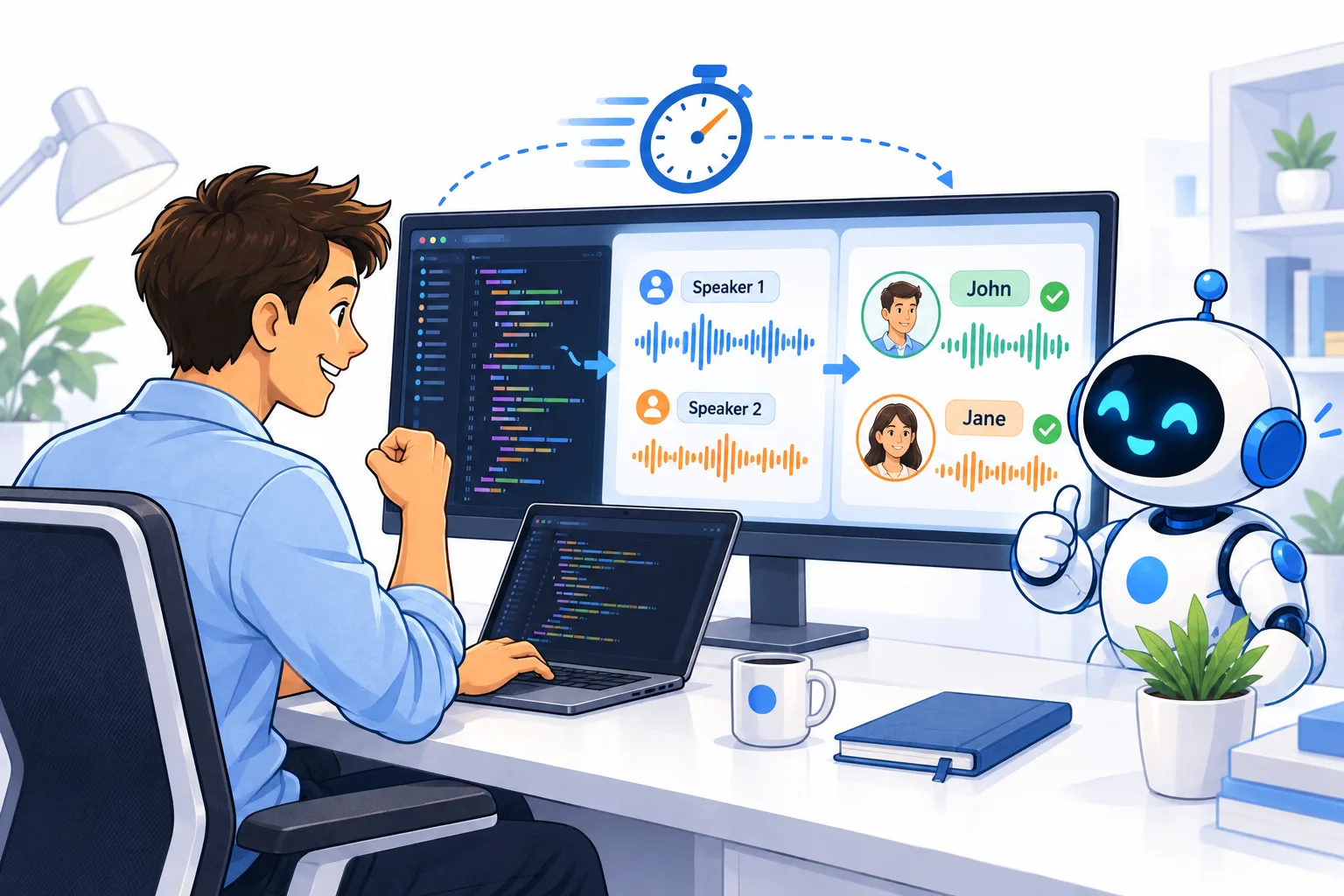
Code an Internal Speaker Recognition Tool with Claude
If you've ever wrestled with identifying who's speaking in a meeting recording, building a speaker-recognition tool from scratch can feel like a heavy lift. This guide walks through coding one internally with Claude, turning a complex audio challenge into a practical, hands-on project. It's a smart, accessible approach for teams ready to move beyond manual transcription. For a broader look at how AI handles real-world inputs, you might also enjoy *Exploring Real-World Computer Vision*, it pairs nicely with the concepts here.
How AI tipped the scales from cross-platform to native mobile development
Shopify's decision to drop React Native for Swift and Kotlin signals a pragmatic shift in mobile strategy. Mustafa Ali's recalculation, driven by AI's improved quality, flips the cost-benefit equation toward native codebases. It's a telling moment for cross-platform development, where abstraction layers no longer hold automatic sway. For teams weighing similar tradeoffs, this move invites a fresh look at long-held assumptions. If you're exploring how AI reshapes developer choices, our piece on Zig's creator and his AI ban offers a complementary perspective worth reading.
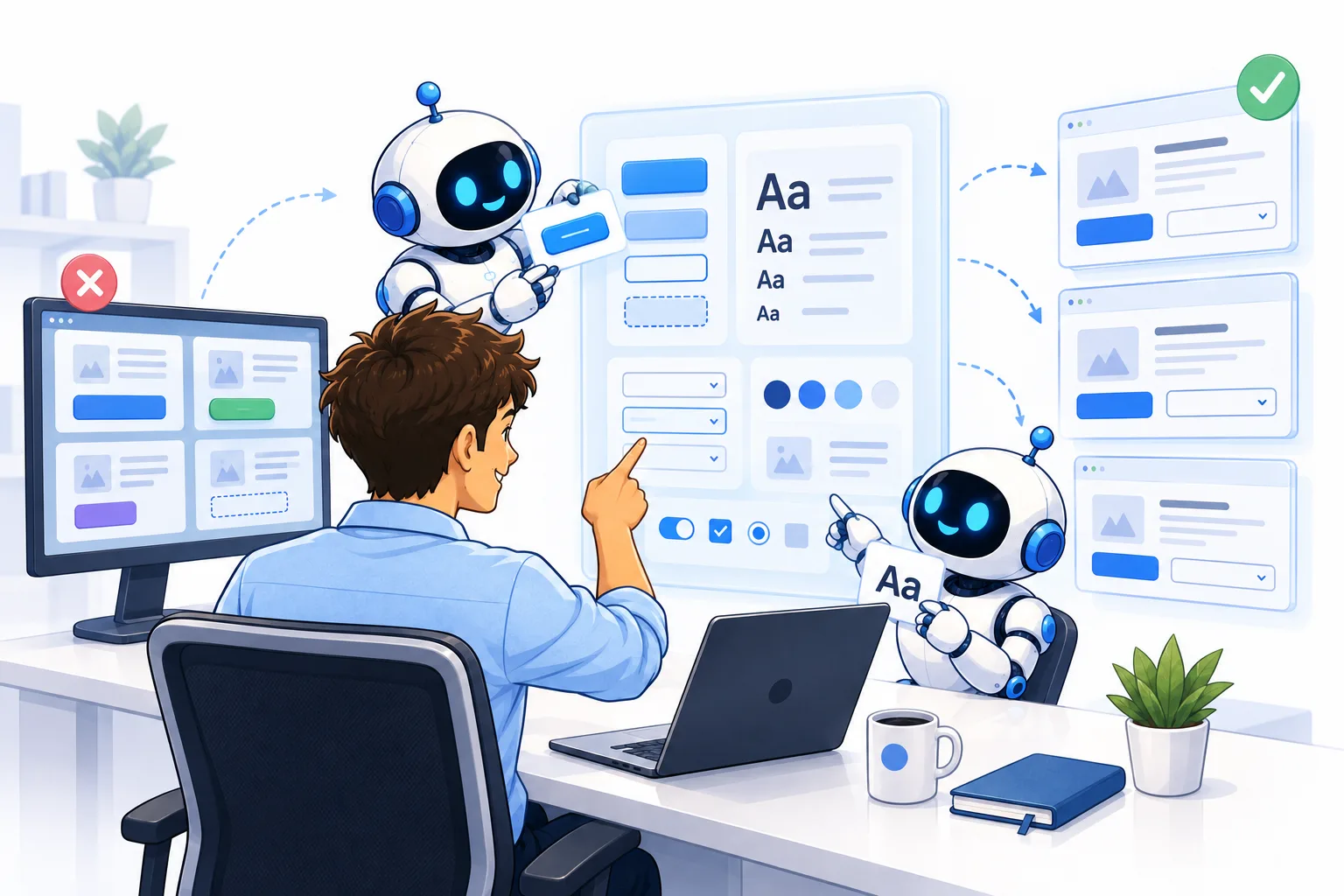
Design with precision using AI to guide your app's visual identity.
Consistent design shouldn't be a happy accident. If you're tired of patching together styles across projects, Claude Code offers a practical path to professional-looking apps without the usual friction. This guide walks through how to build design systems that actually stick, turning messy workflows into something repeatable. It's a smart, accessible approach for teams ready to move beyond manual fixes. For more on applying AI to real-world challenges, explore our piece on computer vision deployments. The takeaway? Consistency is a skill you can code.

Vibe coding taught a costly lesson in skipping the fundamentals
A $52 bill and two hours of frantic coding sounded like a win. It wasn't. The app worked just long enough to save the day, then left a mess that took far longer to untangle. That's the hidden cost of moving fast without a plan. If you're tempted to skip the groundwork, don't. Explore the process before you build, and you'll avoid the regret that follows shortcuts.

Discover the new apps proving software innovation is thriving in the AI era
The latest App Store lineup quietly flips the script on the notion that AI agents will sweep away standalone software. Developers are shipping with fresh momentum, offering everything from smarter bookmarking tools to digital pen pals and nature journals. It's a reminder that practical, human-centered design still earns its place on your Home Screen. For those of us still weighing what AI truly changes, our piece on talking to an AI clone offers a thoughtful counterpoint worth exploring.

Explore X's rebuilt Android app, designed for a smoother experience
After a year of rebuilding, X has rolled out its new Android app worldwide. That kind of patience matters when you are untangling years of technical debt, and the result feels like a genuine reset for users who have been waiting for the platform to catch up to its own ambitions. This is a move toward a more stable, thoughtful mobile experience. For more on how modern infrastructure choices are reshaping digital tools, our piece on Cloudflare's EmDash migration offers a useful parallel.