backend
Beyond Market Intelligence keeps backend in one place: 6 stories so far. The section currently leads with “Build Scalable Products with Less: Engineering Lessons from Startups”, “From Notebook to API: Making Your Churn Model Actually Usable”, and “Build smarter agents by connecting LangGraph to Postgres locally or in the cloud.”. Scaling a product doesn't have to mean scaling complexity. Training a churn classifier that performs flawlessly is one thing. Acme AI is the next-generation, AI-powered spreadsheet platform built to replace Excel and redefine how analysts, data scientists, and enterprise teams work… The list below is every backend story on Beyond Market Intelligence, newest first.

Build Scalable Products with Less: Engineering Lessons from Startups
Scaling a product doesn't have to mean scaling complexity. In his latest talk, David Gudeman draws on over a decade of startup experience to show how pairing GCP, Firebase, and Cloud Run can accelerate product-market fit without overwhelming your team. He gets practical fast: cut redundant frontend state, design event-driven backends, and keep DevOps lean while building for the long haul. It's a grounded playbook for teams who want to move smarter, not harder.
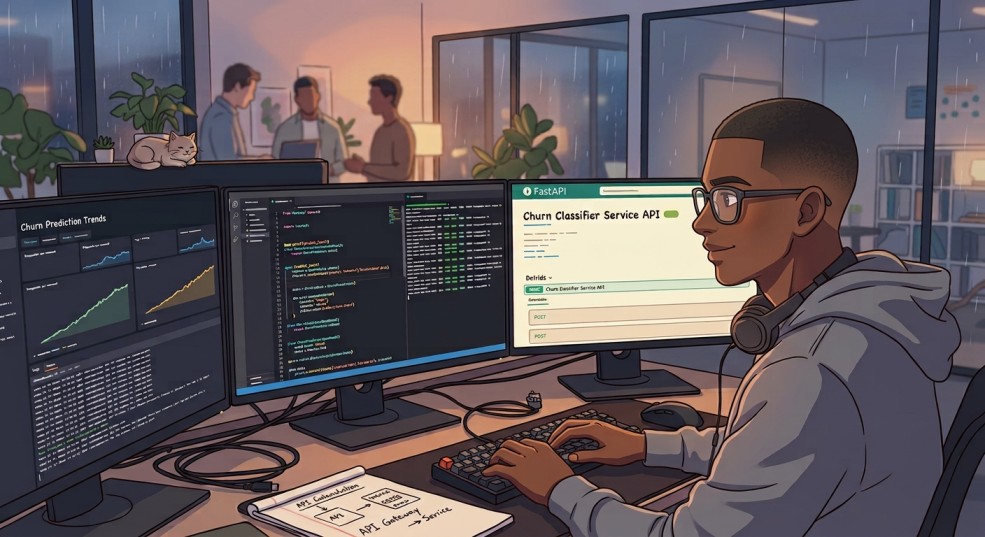
From Notebook to API: Making Your Churn Model Actually Usable
Training a churn classifier that performs flawlessly is one thing. Making it useful to the rest of your software is where the real work begins. This story follows that exact pivot: moving from a perfect model to a practical FastAPI service that other systems can actually call. It's a grounded, honest look at the gap between building and deploying. If you're wrestling with similar transitions, you might also appreciate our piece on navigating AI/ML job requirements.

Build smarter agents by connecting LangGraph to Postgres locally or in the cloud.
Connecting a LangGraph AI agent to Postgres doesn't have to be a headache. This walkthrough shows you exactly how to run the backend locally with Docker or scale it to the cloud, keeping the focus on practical steps rather than abstract theory. It's a straightforward approach for anyone tired of wrestling with database integrations. We appreciate the clarity here, especially since so much AI tooling feels needlessly complex. For deeper context on how LLMs handle structure, our piece on paragraph navigation is worth a look.

From Demo to Production: Structuring a Reliable Backend for Your AI Agent
Turning a demo LangGraph agent into something that can actually hold onto real booking data is where the practical work begins. Building a proper backend for that transition is a useful look at moving from proof-of-concept to something dependable. The focus stays on structure and persistence, not hype. For readers interested in how AI handles complexity at a deeper level, our piece on paragraph structure in LLMs offers a complementary perspective worth exploring.
Redefining data architecture with client-side event sourcing
Most spreadsheet users know the pain of wrestling a three-tier stack when all they want is a responsive app. Johannes Schickling's transition from Prisma to building Overtone shows a bolder path: client-side event sourcing with SQLite. He's not just tweaking the old model; he's questioning its core assumptions. The trade-offs between event sourcing and CRDTs are sharp, and his hands-on experience makes the abstract tangible. If you're exploring how local-first design can reshape your own workflows, this conversation is a practical starting point.
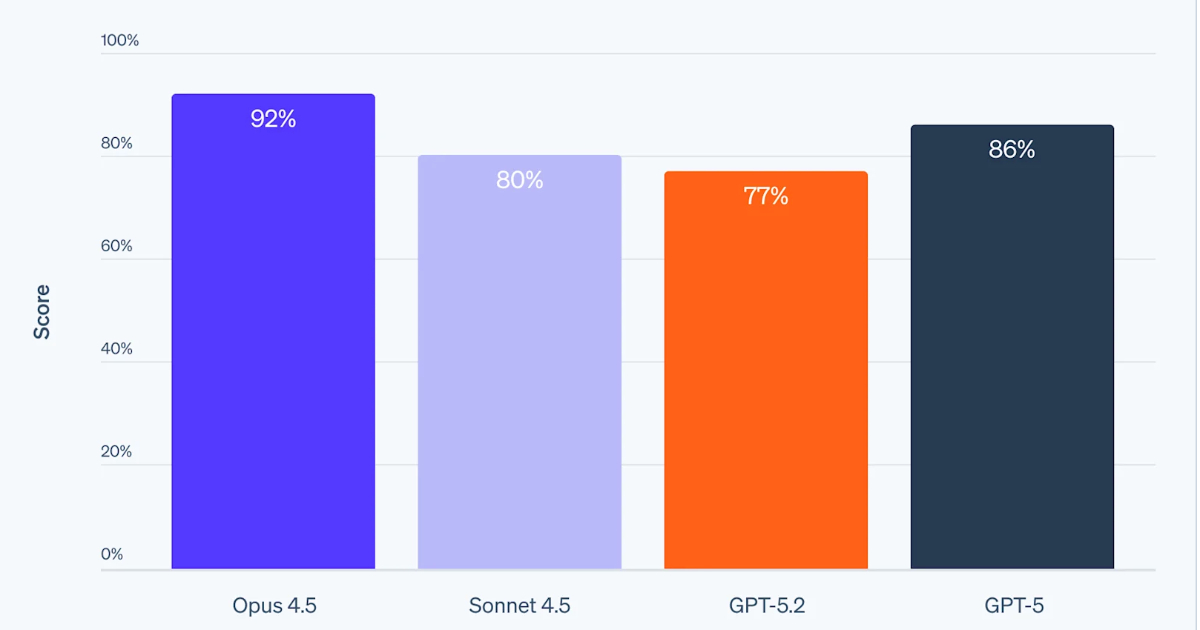
Stripe's New Benchmark Tests If AI Agents Can Actually Build Integrations
Stripe's new benchmark suite cuts straight to a hard truth: AI agents can build integrations, but they stumble when it's time to validate them. That gap between execution and testing is where real-world reliability lives, and Stripe is right to put it under the microscope. We're not talking about toy demos here; these are production-like constraints that expose weaknesses. It's a useful reality check for anyone convinced agents are ready to run unchecked.