blending
Beyond Market Intelligence keeps blending in one place: 4 stories so far. The section currently leads with “Build smarter text pipelines by merging AI summarization with classic scikit-learn tools”, “Where digital intelligence meets physical reality: exploring AI's practical frontier”, and “Blending RAG and fine-tuning for smarter, human-centered AI support”. Learn how to build an architecture that blends Scikit-LLM estimators for text summarization with traditional scikit-learn methods into a single, unified pipeline for summarizing and classifying raw, messy text. Nvidia is putting robots on our new Real World AI stage at TechCrunch Disrupt 2026, and we're bringing extinct animals along for the ride. Acme AI is the next-generation, AI-powered spreadsheet platform built to replace Excel and redefine how analysts, data scientists, and enterprise teams work… The list below is every blending story on Beyond Market Intelligence, newest first.
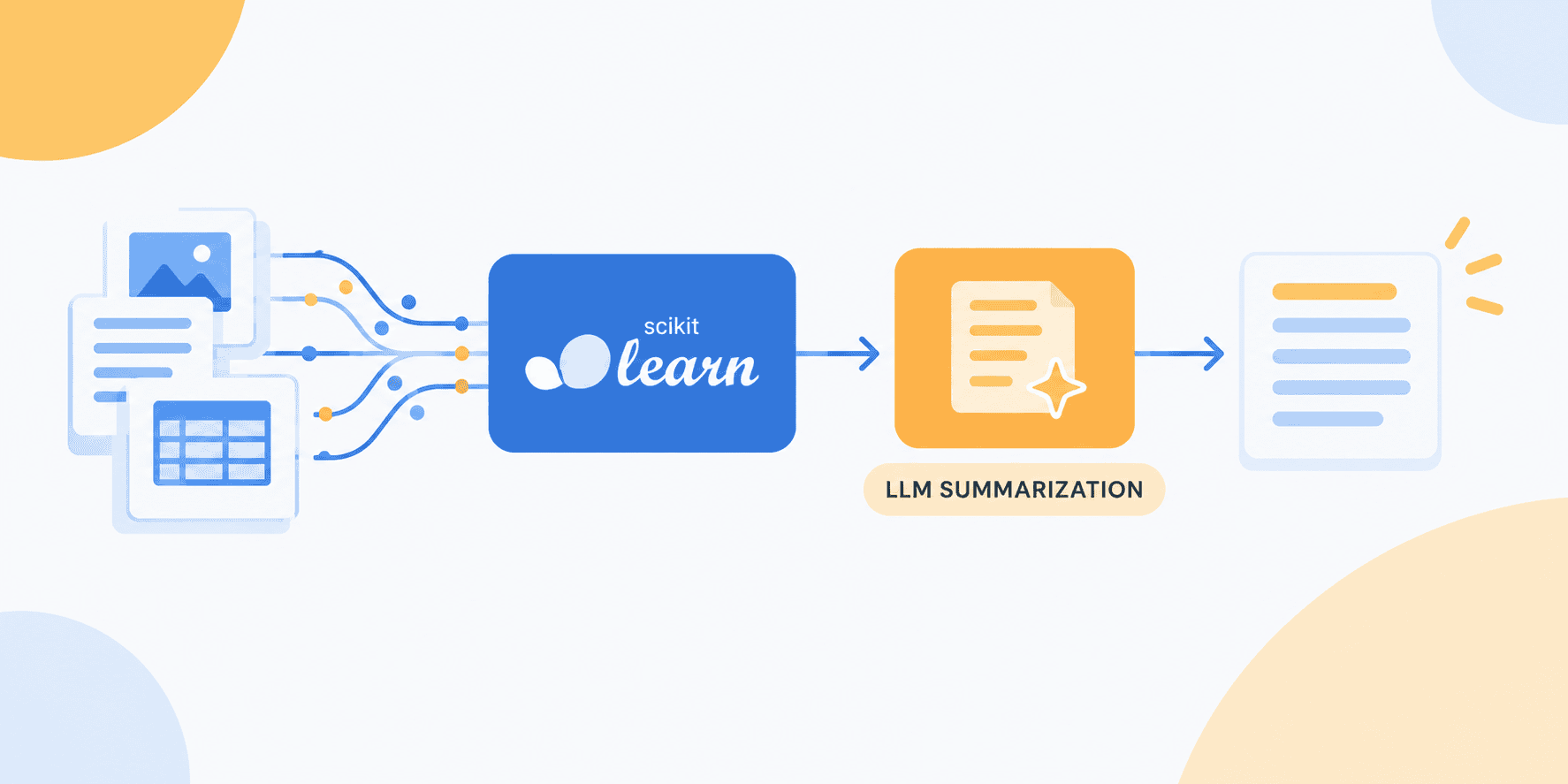
Build smarter text pipelines by merging AI summarization with classic scikit-learn tools

Where digital intelligence meets physical reality: exploring AI's practical frontier
Nvidia is putting robots on our new Real World AI stage at TechCrunch Disrupt 2026, and we're bringing extinct animals along for the ride. This is where the digital and physical stop being separate lanes. We're focused on that blending, plain and simple. It's not about abstract potential; it's about what happens when AI touches real-world objects, from factory floors to museum exhibits. If you're curious how these systems actually understand our messy physical space, this is the conversation to explore.
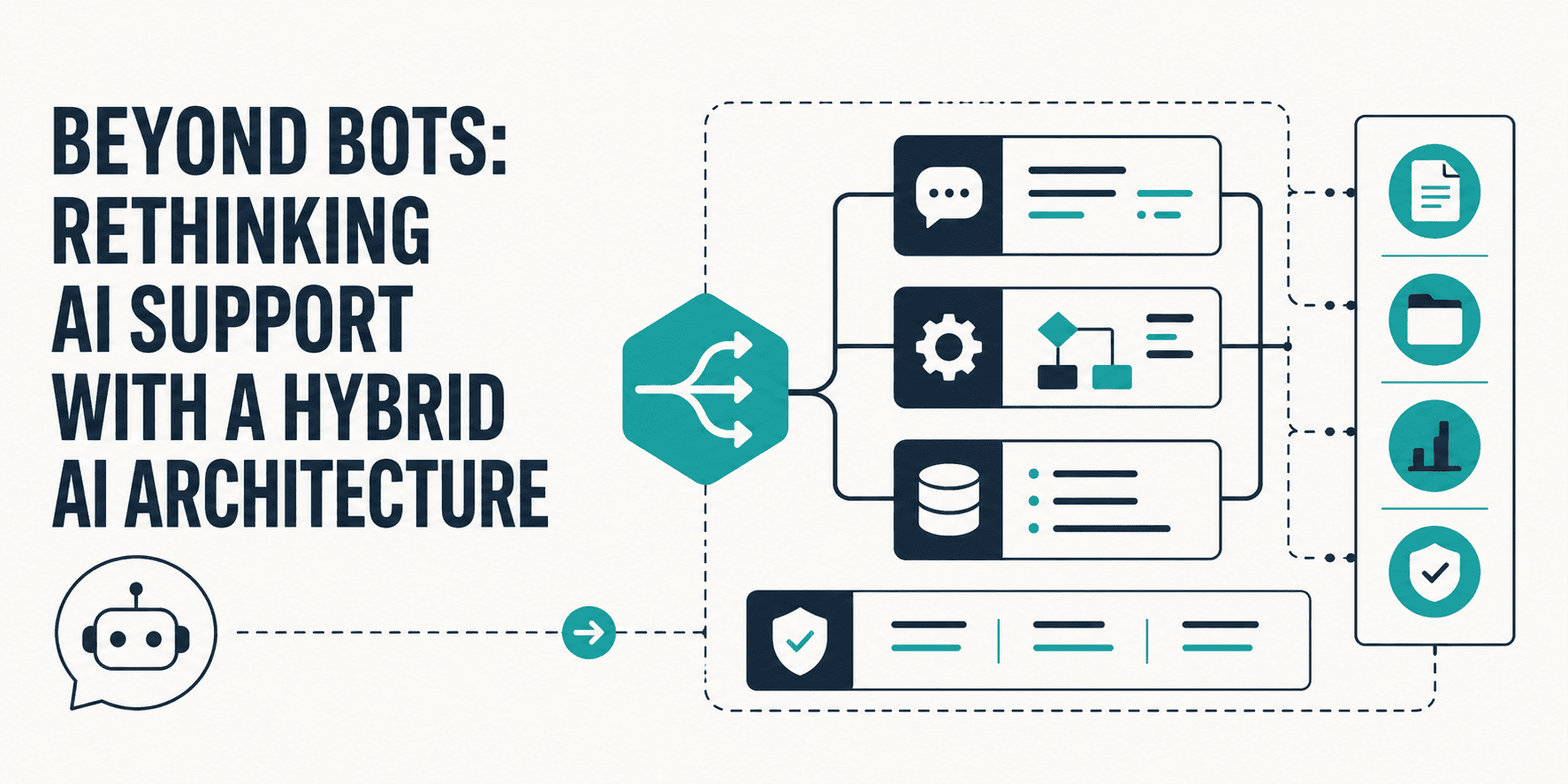
Blending RAG and fine-tuning for smarter, human-centered AI support
Fine-tuning and retrieval aren't rivals. They're partners. This piece breaks down why a hybrid AI architecture, one that blends RAG's precision with fine-tuning's adaptability, creates support experiences that actually feel helpful. It's a practical look at moving beyond rigid bot scripts toward something more responsive. If you're exploring how AI can better serve real users, this is a solid starting point. For a broader view on AI's trajectory, you might also check out "Explore the Future: When AI Designs Its Own Hardware."
Explore how AI bridges digital and physical worlds at our Real World AI stage.
Robots building factories. Automated assembly lines running without human oversight. And extinct animals, brought back through data and AI. That's the blend TechCrunch Disrupt 2026's Real World AI Stage promises to explore. We're intrigued by the confidence in this ambition, mixing digital logic with physical results is where progress truly lives. If you're skeptical of how far AI can stretch into our tangible world, our piece "Talking to My AI Clone Taught Me to Question the Tech" offers a thoughtful counterbalance to the hype.