business model
Beyond Market Intelligence keeps business model in one place: 9 stories so far. The section currently leads with “Turn idle dealership inventory into an income stream with AI-driven rentals”, “Wonder secures $425 million DoorDash deal to expand its restaurant network”, and “A German energy startup proves distance from Silicon Valley fuels investor confidence”. Igor Dobrianskyi looks at a car dealership lot and sees millions of dollars just sitting there, depreciating. Marc Lore's Wonder just landed a $425 million partnership with DoorDash, and it's a clear signal that his food empire is serious about scale. Acme AI is the next-generation, AI-powered spreadsheet platform built to replace Excel and redefine how analysts, data scientists, and enterprise teams work… The list below is every business model story on Beyond Market Intelligence, newest first.

Turn idle dealership inventory into an income stream with AI-driven rentals
Igor Dobrianskyi looks at a car dealership lot and sees millions of dollars just sitting there, depreciating. His startup, MyMonthlyCar, turns idle inventory into an income stream through AI-driven rentals. That's a smart reframe of an old problem. We're curious to see it in the Startup Battlefield 200 at TechCrunch Disrupt this October. For more on how AI is reshaping business models, check out our guide to building for the AI era at Disrupt 2026.

Wonder secures $425 million DoorDash deal to expand its restaurant network
Marc Lore's Wonder just landed a $425 million partnership with DoorDash, and it's a clear signal that his food empire is serious about scale. This isn't just another delivery deal; it's a strategic move that pairs Wonder's growing restaurant portfolio with a logistics giant. For anyone tracking how AI-native tools are reshaping industries, this feels like a parallel to the infrastructure bets we're covering. If you're curious about that space, our piece on Nscale's $3.36B funding offers useful context.

A German energy startup proves distance from Silicon Valley fuels investor confidence
Furo's founders left Silicon Valley for Germany, and the move didn't just work out; it paid off. The three 28-year-olds secured $4 million in funding, mostly from U.S. backers, proving that geographic distance doesn't dilute ambition. It's a compelling counter-narrative to the assumption that innovation only happens in the Bay Area. For founders weighing a similar leap, this story offers a practical lesson: your network and vision can travel.

InDrive expands beyond rides to capture consumer attention at scale
InDrive's ad business is scaling fast, and that's worth watching. Since its July 2025 pilot, the ride-hailing company has served over 2 billion impressions and now attracts more than 2,000 paying advertisers monthly. It's a clear sign that inDrive is moving beyond transportation to capture more consumer spending. For context on how platforms expand their infrastructure, our piece on Cloudflare's Blog finding performance gains with EmDash offers a useful parallel.

Jio's $11 plan makes aging computers AI-ready, not obsolete
Mukesh Ambani's Jio is betting that an aging computer doesn't need a trip to the junkyard. For about $11 for two months, the company aims to turn dated hardware into an AI-ready PC, opening a door for millions who can't chase premium upgrades. It's a pragmatic bet, and a refreshingly human one. Rather than selling obsolescence, Jio is selling a second act. That kind of thinking deserves attention.

Perplexity's India revenue climbs 60% as free AI offer reshapes adoption
Perplexity's free AI offer brought in millions of new users across India, yet the real story is what happened next. Even after the Airtel promotion ended for new signups, Perplexity's India revenue climbed about 60%. Downloads fell, but engagement held. That points to lasting value, not just a spike. It's a useful reminder that adoption means little without retention.

Apple simplifies EU fees, opening new paths for app marketplace innovation.
Apple's latest EU fee overhaul trades the per-install charge for a flat 5% commission on apps outside its storefront, while easing the path for alternative marketplaces. It's a pragmatic move, less a surrender than a recalibration. Developers get simpler math; Apple keeps its cut. The friction that defined last year's battles is fading, which should invite more experimentation. If you're tracking platform shifts, our piece on Lightspeed's India fund shows similar recalibration elsewhere. Progress here isn't loud; it's structural, and that's worth exploring.
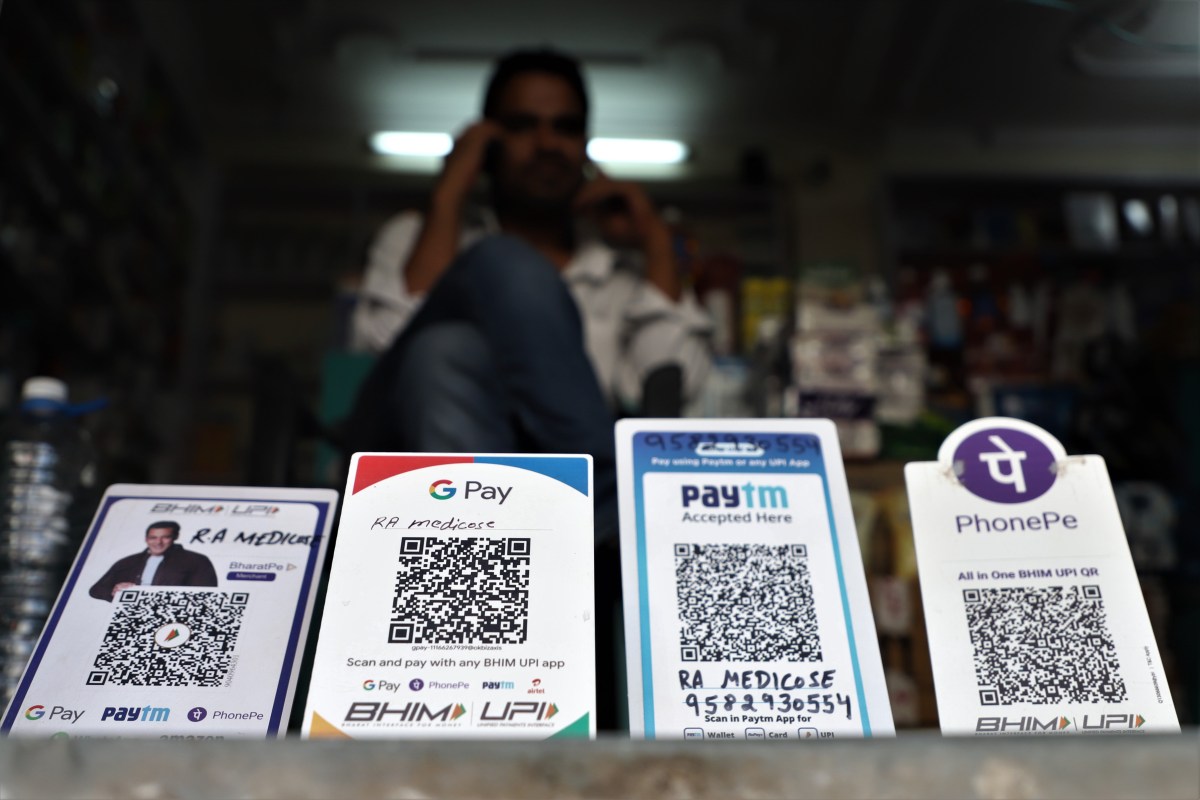
India rethinks UPI's free model with new payment framework
India's instant payments network is heading toward a defining moment. New legislation lays the groundwork for reworking the zero-merchant-discount-rate regime, the policy that has let businesses accept UPI payments without fees since 2020. That's a significant shift, and it's one worth watching closely. A sustainable business model could strengthen the ecosystem, but the transition needs care to protect the accessibility that made UPI so widely adopted.

Your AI summary sends users to your homepage, not your deep content
The web isn't dying. It's splitting. One version still serves human eyes, but the other has become raw material for machines. The data is stark: Google sends fewer clicks, yet ChatGPT is citing live pages more than ever. The real shift is that AI answers are now the product, and your homepage is the new front door. Most sites were built backward. The fix is to restructure deep pages for citations, rebuild the homepage for informed visitors, and treat internal search as an acquisition tool.