cleaning
Beyond Market Intelligence keeps cleaning in one place: 4 stories so far. The section currently leads with “Airbnb shifts guest chores policy as hosts reconsider their loyalty”, “5 Python scripts to simplify your CSV workflows”, and “Run Your Data Analysis Where Your Data Lives”. Airbnb's new policy, banning hosts from requiring guests to strip beds or tackle heavy cleaning, has some longtime hosts rethinking their loyalty. Cleaning a messy CSV by hand is a slow drain on your day. Acme AI is the next-generation, AI-powered spreadsheet platform built to replace Excel and redefine how analysts, data scientists, and enterprise teams work… The list below is every cleaning story on Beyond Market Intelligence, newest first.

Airbnb shifts guest chores policy as hosts reconsider their loyalty
Airbnb's new policy, banning hosts from requiring guests to strip beds or tackle heavy cleaning, has some longtime hosts rethinking their loyalty. It's a move that prioritizes guest convenience, but risks alienating the very people who make the platform work. When loyalty feels one-sided, even the most committed hosts explore alternatives. For more on how technology is reshaping service expectations, see our coverage of *Blacksmith's $66M funding for AI code-building*.
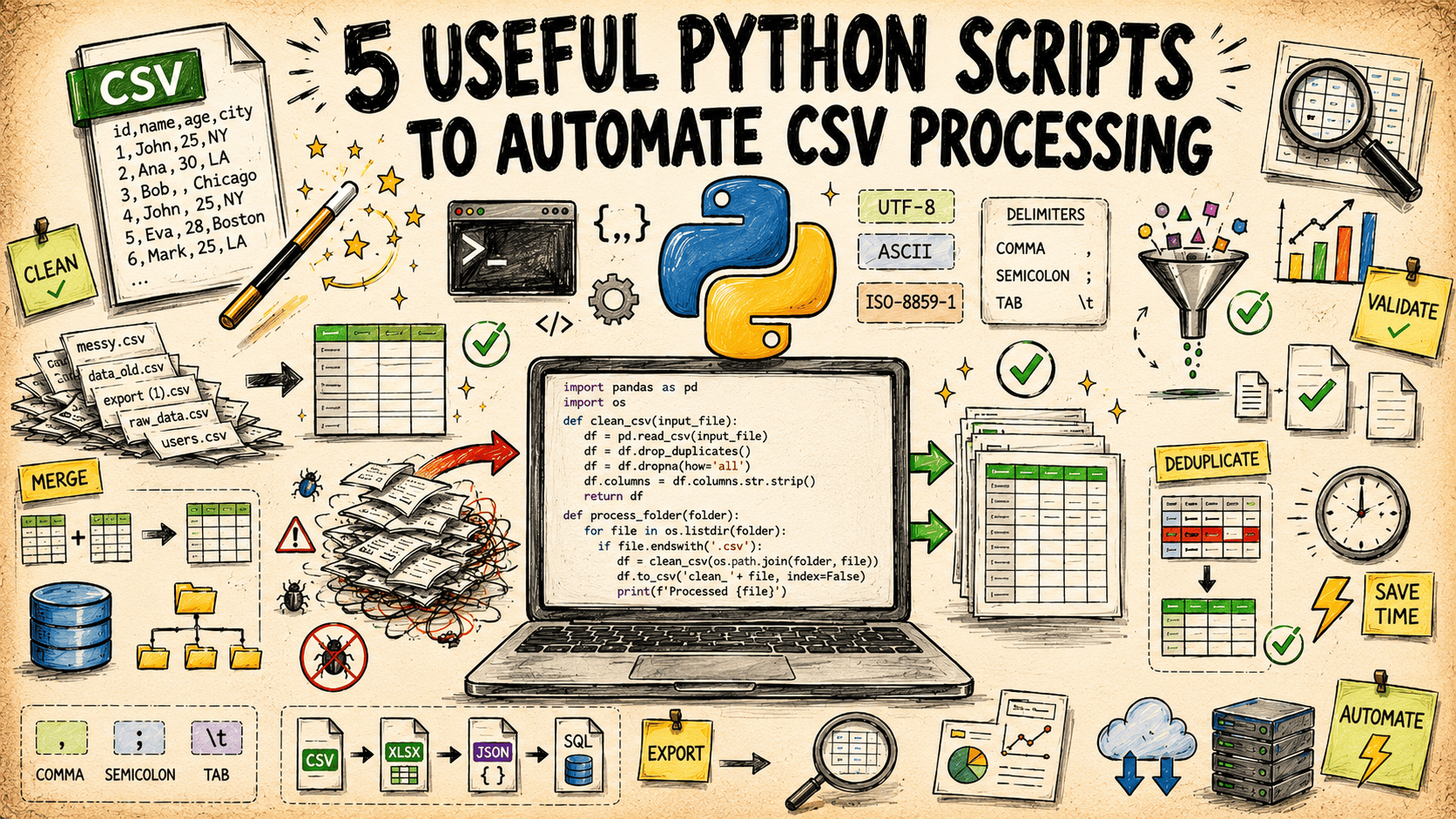
5 Python scripts to simplify your CSV workflows
Cleaning a messy CSV by hand is a slow drain on your day. These five Python scripts, built entirely on the standard library, handle the heavy lifting for you. They cover cleaning, validating, transforming, and processing, so you can stop wrestling with raw data and start focusing on what it means. It is a practical, no-fuss approach to automation. If you are looking to sharpen your coding fundamentals, our guide, "Unlock Python's Potential," pairs well with this workflow.
Run Your Data Analysis Where Your Data Lives
Most dataframe work pulls data out of the database, then pushes it back after Python finishes its part. memFrame flips that script. It compiles your Python/DataFrame API calls directly into SQL, letting DuckDB, PostgreSQL, or ClickHouse do the heavy lifting where the data lives. That is a smarter default. The incremental release strategy is also a good discipline: get inspection, cleaning, and arithmetic solid before tackling groupby and window functions. For deeper Python performance thinking, our guide on advanced techniques pairs well here.
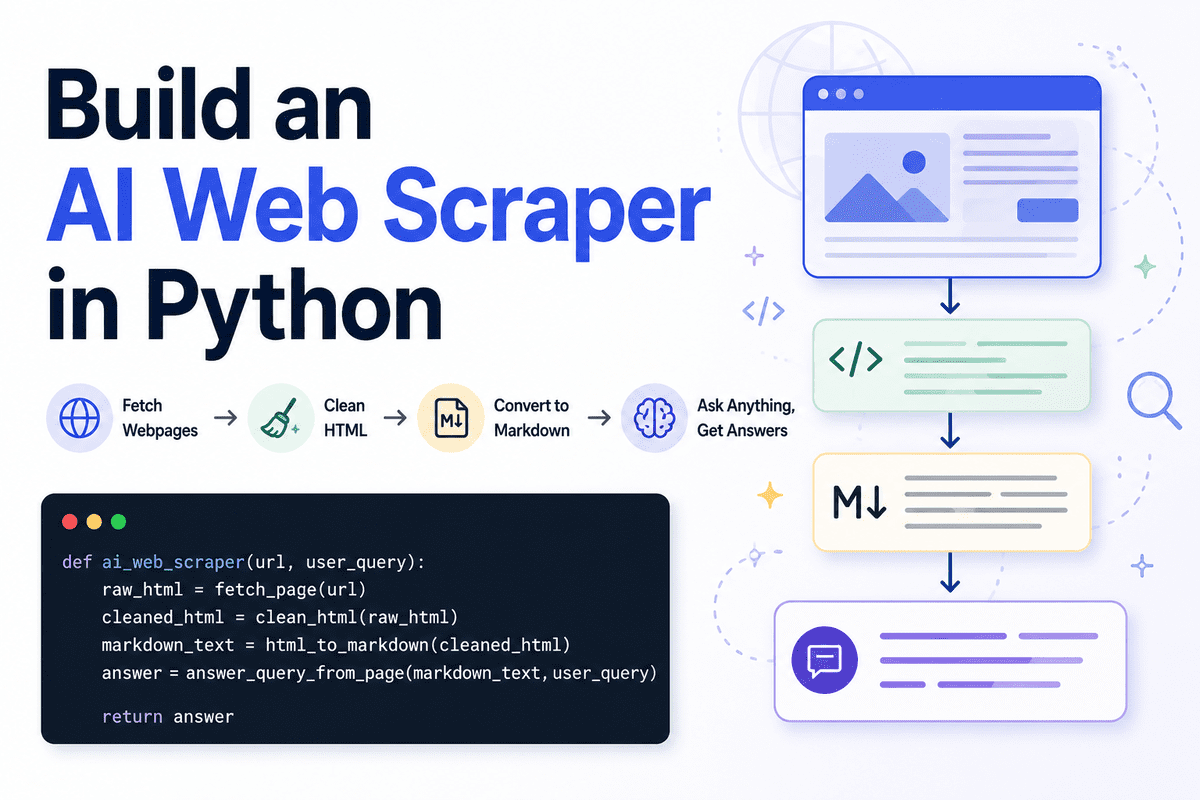
Turn Web Pages into Smart Q&A Engines with AI
Most tutorials make web scraping sound harder than it needs to be. This one strips away the noise: clean the HTML, convert it to Markdown, and let an LLM answer focused questions. The payoff is real, especially when you want answers without burning through tokens on messy page structures. It's a practical, no-nonsense approach that respects your time and your budget. If you're tired of wrestling with raw scraped data, this method feels like a quiet win.