context management
Beyond Market Intelligence keeps context management in one place: 5 stories so far. The section currently leads with “Give language models the power to edit their own context for faster, smarter results”, “TrueForge gives developers more control over AI agents without the cost burden”, and “How Grab Uses AI Agents to Automate Analytics and Empower Teams”. Language models have long relied on external tricks to manage their own context, but a new approach from Meta, MIT, and the University of Washington flips that assumption. Acme AI is the next-generation, AI-powered spreadsheet platform built to replace Excel and redefine how analysts, data scientists, and enterprise teams work… The list below is every context management story on Beyond Market Intelligence, newest first.

Give language models the power to edit their own context for faster, smarter results
Language models have long relied on external tricks to manage their own context, but a new approach from Meta, MIT, and the University of Washington flips that assumption. Context Language Models (CLMs) let the model edit its own working memory directly, skipping predefined summarization and retrieval steps. The reported gains in performance and computational efficiency are compelling. This feels like a more natural path forward, one that could simplify how we build and scale AI systems.

TrueForge gives developers more control over AI agents without the cost burden
TrueForge enters a crowded field with a straightforward pitch: more control, lower cost. TrueFoundry's open-source harness, released under the MIT License, reports task completion costs 30% to 75% below Anthropic's managed offering, depending on the model used. That's a concrete claim, and it's backed by a sensible design that trims context waste and treats sandboxes as optional tools. For enterprises tired of choosing between vendor lock-in and operational overhead, TrueForge offers a practical middle path.
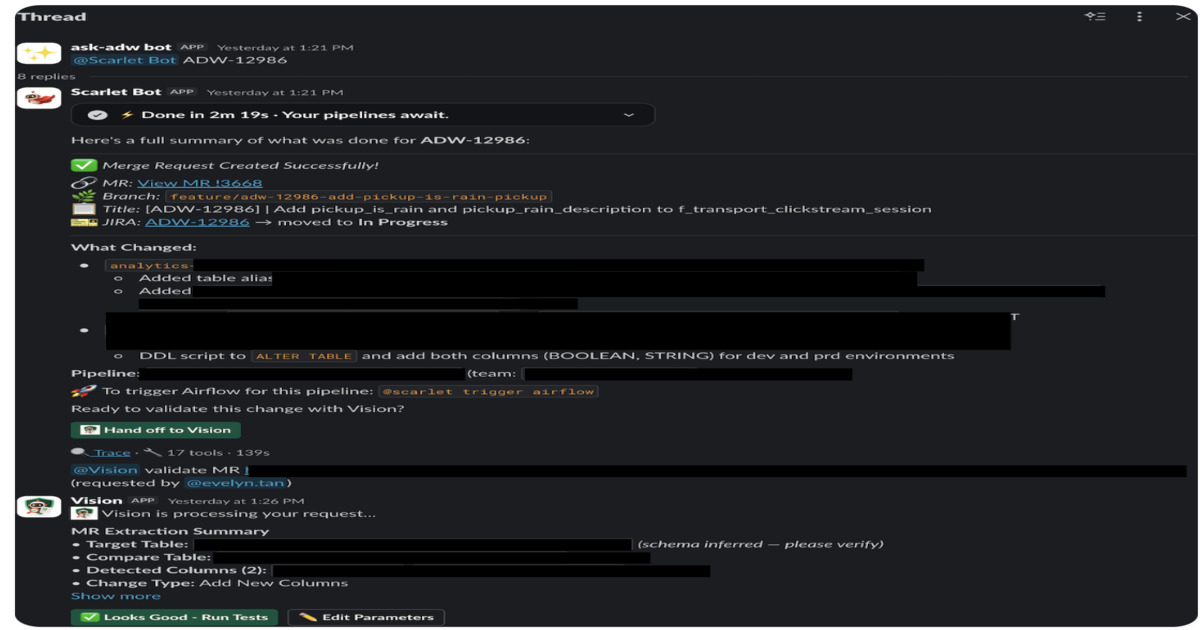
How Grab Uses AI Agents to Automate Analytics and Empower Teams
Grab's analytics team cut mechanical work from 44% to 30% in just four months, and the lesson is clear: AI agents thrive when you pair autonomy with human oversight. Their approach, combining certified data and context management, lets self-service analytics handle metric and SQL requests that once demanded analyst time. That's not just efficiency; it's a smarter division of labor. If you're questioning how much to trust these systems, our piece on verifying AI's understanding offers a practical starting point.

Smarter Context, Not More Context, Unlocks Smarter Coding Agents
Most coding agents drown in the very context meant to help them. They gather more files, add more data, and hope the model sorts it out. It doesn't work. Irrelevant code competes for attention, and when the window fills, agents compress their own memory mid-task. That's not forgetting; that's degraded context. Treat prompt construction like a compiler, deciding what to keep, reduce, or discard. It's a practical, human-centered fix.
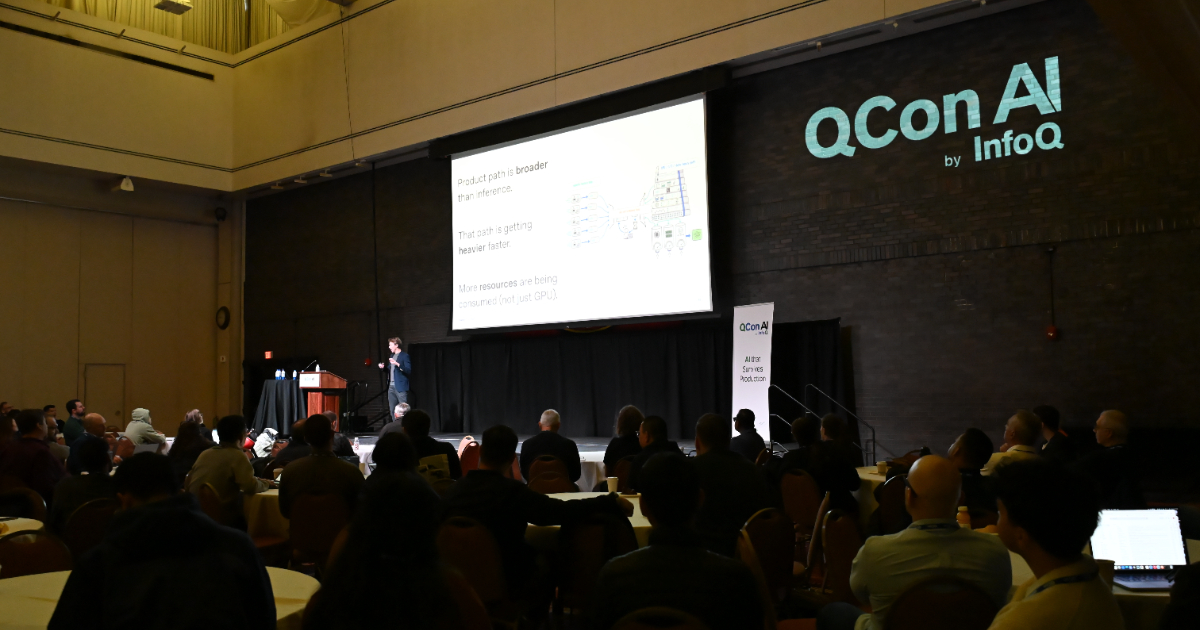
From Prompts to Platforms: Building the Infrastructure for Production AI
The operational reality of AI agents is finally taking center stage, and QCon AI Boston 2026 is where that conversation sharpens. The focus has shifted from what prompts can do to how we build dependable systems around them. We're talking about serious infrastructure: managing context effectively and wrapping agents in a security harness that keeps them safe in production. This is the unglamorous, essential work of making AI actually usable.