cost
cost at Beyond Market Intelligence is a file of 32 stories. The newest of them: “Pixel 11 arrives with smarter AI features and more standard storage”, “Netflix Migrates Batch Workloads to Open-Source Kueue, Retiring In-House System”, and “Taxpayers absorb $4B cost as offshore wind leases are abandoned”. Google's Pixel 11 lineup is leaning into intelligence over hardware, and that is a bet worth watching. Netflix has moved most of its batch workloads onto Kueue, an open-source cloud-native job queueing system that outgrew its in-house solution. Acme AI is the next-generation, AI-powered spreadsheet platform built to replace Excel and redefine how analysts, data scientists, and enterprise teams work… The list below is every cost story on Beyond Market Intelligence, newest first.

Pixel 11 arrives with smarter AI features and more standard storage
Google's Pixel 11 lineup is leaning into intelligence over hardware, and that is a bet worth watching. The starting price climbs $100, but the jump to 256GB base storage softens the sting. Fewer physical changes means Gemini carries more of the load, which feels like the right trade for users who want their devices to do more thinking. For a deeper look at how AI reshapes everyday tools, our piece on adaptive systems offers useful perspective.
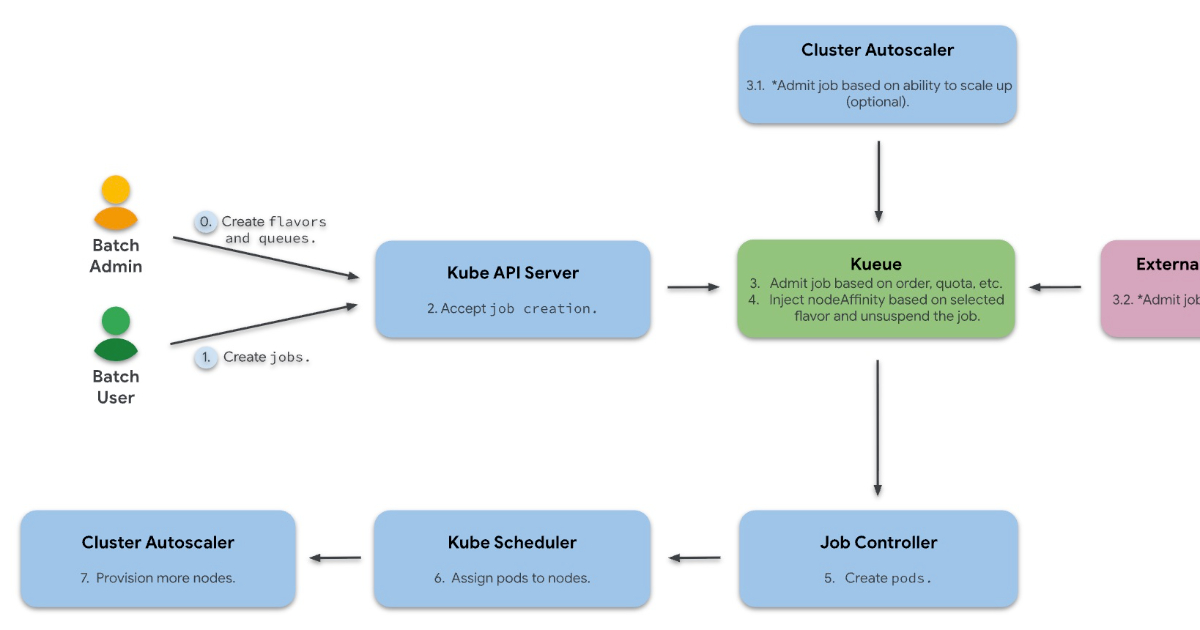
Netflix Migrates Batch Workloads to Open-Source Kueue, Retiring In-House System
Netflix has moved most of its batch workloads onto Kueue, an open-source cloud-native job queueing system that outgrew its in-house solution. The migration wasn't just about swapping tools; it let the company map existing capabilities while gaining new features that would've been costly to build internally. That's a pragmatic win. For those tracking similar infrastructure shifts, our piece on Cloudflare's EmDash migration offers another look at how open-source adoption pays off. Kueue's trajectory suggests the future of data management is increasingly shared, not siloed.

Taxpayers absorb $4B cost as offshore wind leases are abandoned
The Trump administration has now spent nearly $4 billion to convince developers to abandon 12 offshore wind leases, with the latest buyout costing taxpayers $1.2 billion. That is a striking sum for walking away from clean energy infrastructure. It signals a deliberate retreat from a sector that many saw as central to the grid's future. For those tracking how policy shapes technology adoption, this is a stark example of momentum lost.

The True Energy Cost of Running Local LLMs on Apple Silicon
Five models, sustained generation, and a wall-socket meter don't lie: running a local LLM on Apple Silicon has a real, measurable price. This piece puts actual wattage under scrutiny at $0.31/kWh, and the findings land with more weight than the RTX-3090 numbers hinted at. We appreciate the rigor here; it turns vague claims into a practical cost conversation. For those ready to move beyond basics, our guide to distributed algorithms offers a natural next step.
Finding the Right Compute for Your AI Inference Workloads
Sourcing compute for inference workloads is a puzzle most teams know well, and this post gets straight to the point. The ask for real experiences with services like RunPod or Vast.ai is smart; those pain points are where practical answers live. It's a grounded way to cut through the noise. We appreciate the directness here, and the survey feels like a natural next step for anyone who's been there.

When AI Saves Time but Misses the Bottom Line
A perfect eval score meant nothing when the CFO ran the numbers. The agent passed every metric in the harness I published, yet leadership killed it because its successful resolutions cost more than the humans it replaced. That is the gap between technical validation and business reality. Metrics can measure task completion, but they rarely capture true economic value. If you are exploring how AI agents actually perform in production, this story is a grounded reminder that context matters.

Open models are reshaping where enterprise AI actually runs
Hugging Face CEO Clem Delangue sees the AI race shifting ground. Enterprises are increasingly choosing open models for cost, accessibility, and ownership, not because frontier tech lacks dazzle, but because production reality demands control. That raises a fair question: does the latest benchmark matter if most real-world AI runs on open alternatives? I think the answer is nuanced, and it's worth exploring how these choices play out in practice.

Your Local LLM Costs Less Than You Think, and Size Isn't the Reason
The cheapest local model isn't the smallest, and the priciest isn't the biggest. That's the takeaway from a hands-on measurement of eight models running on a single RTX 3090, where actual GPU electricity costs were tracked in euros per million tokens. It's a grounded, useful reality check for anyone exploring local AI. If you're weighing similar tradeoffs in your own workflow, our piece on verifying your AI's understanding offers another practical angle worth your time.