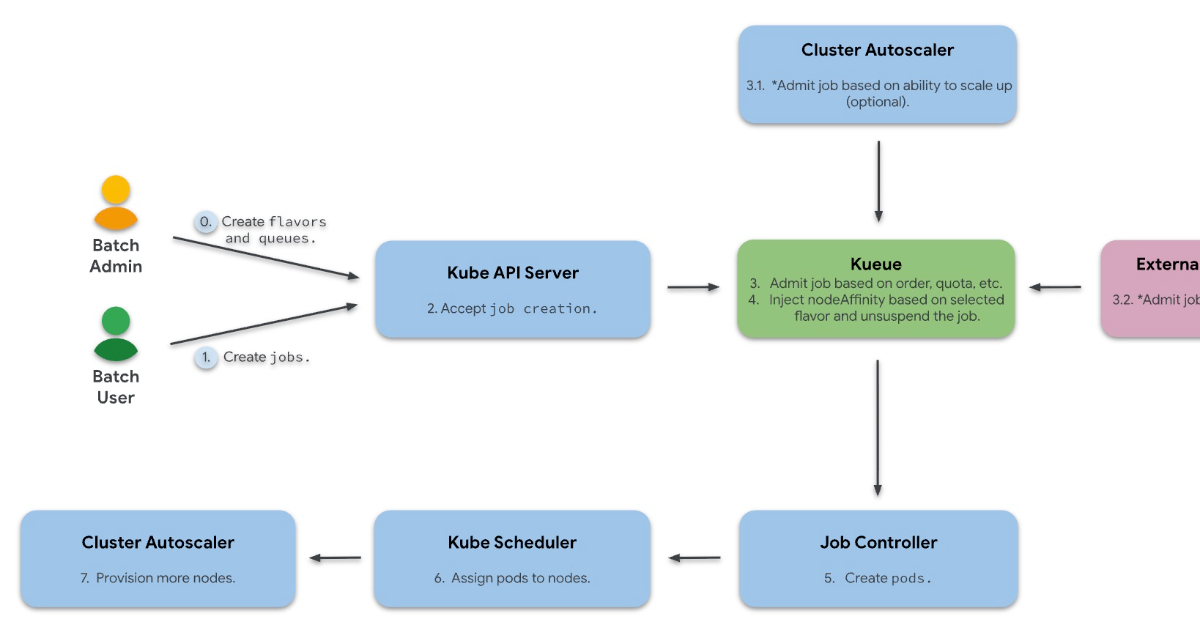
Netflix's decision to move most of its batch workloads from a homegrown system to Kueue is not a story about abandoning control. It is a story about outgrowing a solution that once fit perfectly. The company built its own job queueing system because nothing else matched its scale, and for years that was the right call. But as the open-source ecosystem matured, Netflix found itself maintaining infrastructure that had shifted from a competitive advantage into a tax on engineering time. Mapping its in-house capabilities to Kueue's functionality was not a compromise; it was an acknowledgment that the problem had changed.
This pattern should feel familiar to anyone who has built internal tools that eventually became commodities. The same logic that drives teams to adopt managed databases or standardize on Kubernetes applies here. Netflix did not just swap one queueing system for another. It gained access to new features that would have been costly to build internally, which is precisely the tradeoff every engineering leader should be weighing right now. When you are no longer differentiating on the infrastructure itself, the smartest move is to let the community carry that burden. For our readers, the practical takeaway is direct: reassess your internal platforms not on whether they still work, but on whether they still earn their keep.
What makes this migration particularly instructive is how it connects to broader trends in adaptive systems and content management. We have seen similar dynamics play out elsewhere, whether it is Evolve Your Recommendations: Real-World Insights on Adaptive Systems showing how complexity moves beyond the model itself, or Cloudflare's Blog Finds Performance Gains with EmDash, Its New CMS demonstrating that even specialized publishing platforms can be replaced by open alternatives. The through-line is that the cost of building versus buying has shifted. Netflix's migration is another data point confirming that open-source systems have reached a level of maturity where they can handle the most demanding production environments, not just the easy workloads.
The honest take here is that Netflix's move is a quiet endorsement of a larger principle: the best infrastructure is often the infrastructure you do not have to maintain. This is not a criticism of Netflix's original decision, which was correct at the time. It is a reminder that the calculus changes, and the willingness to revisit those decisions is what separates efficient teams from those that cling to legacy out of habit. The specific thing to watch now is how Netflix contributes back to Kueue. If it invests heavily in the project, the community gains from its operational expertise. If it simply consumes, the project still benefits from having a high-profile adopter. Either way, the bar for justifying a homegrown system just got higher. For teams considering a similar path, the question is no longer whether you can build it yourself, but whether you can afford not to adopt what already exists.