data pipelines
Beyond Market Intelligence keeps data pipelines in one place: 13 stories so far. The section currently leads with “Own the Outcome: Why Data Scientists Crave the Feedback Loop”, “Fueling AI Innovation: Snorkel AI Secures $350M Series E”, and “Build smarter data models with SQL transformations you can test and trust”. The feedback loop is addictive. Snorkel AI has raised $350 million in a Series E round, a clear signal that the market is ready for a more practical path to AI development. Acme AI is the next-generation, AI-powered spreadsheet platform built to replace Excel and redefine how analysts, data scientists, and enterprise teams work… The list below is every data pipelines story on Beyond Market Intelligence, newest first.
Own the Outcome: Why Data Scientists Crave the Feedback Loop
The feedback loop is addictive. When you can see your work move a number within the same sprint, ownership feels less like a buzzword and more like a superpower. But the flip side is real: absorbing coordination work and covering for understaffing under the guise of "ownership" breeds resentment. The line between a senior DS who understands the system and one quietly doing everyone's job is blurry.

Fueling AI Innovation: Snorkel AI Secures $350M Series E
Snorkel AI has raised $350 million in a Series E round, a clear signal that the market is ready for a more practical path to AI development. The seven-year-old startup is betting its future on a data-as-a-service model, which speaks to a core truth: models are only as powerful as the data fueling them. This funding validates that approach. For anyone wrestling with messy datasets, this is worth watching.

Build smarter data models with SQL transformations you can test and trust
Struggling to keep SQL transformations in sync across your team? That's exactly where dbt steps in. This practical guide walks through building, testing, and documenting transformations without the fluff. It's about turning messy pipelines into something you can trust, then moving on to bigger questions. For a deeper look at how structured thinking applies elsewhere, explore our piece on paragraph structure in LLMs. Start here, and make your data workflow feel genuinely manageable.
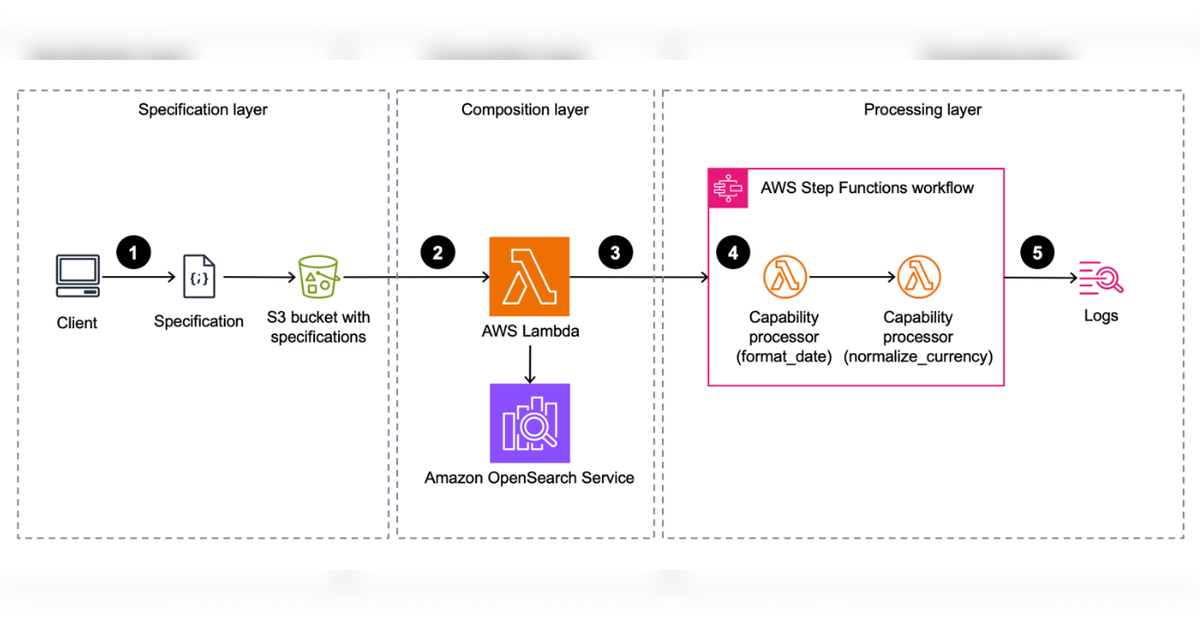
Declare Your Data Intent: Flexible Workflows Without the Bottleneck
Declarative specifications are the quiet workhorse behind flexible data workflows, and AWS is proving it. By separating intent from processing logic, this approach lets teams define what they need while reusing proven capabilities, with validation catching issues before execution runs. The payoff is tangible: dataset onboarding shrinks from weeks to days, without sacrificing traceability or governance. It is a practical, human-centered answer to a complex problem.

Scaling from 500 to 8,000 Events Per Second Without Sacrificing Accuracy
When an integration pipeline grows from 500 to 8,000 events per second, the temptation is to let correctness slide. This production account shows how one team scaled without sacrificing the two guarantees that matter most. It's a practical, grounded look at trade-offs, written for anyone who has felt the pressure of rapid growth. If you're curious about how performance and precision can coexist, this is the read for you. For a related take on turning complex systems into approachable tools, explore the Forrester Function piece.

Your data pipeline isn't complete until analysis is effortless.
Loading data feels like crossing the finish line. You've built the pipeline, the tables are populated, and the job is done. Then you start building your first dbt models and realize the real work begins. Making data genuinely analysis-ready is where the journey starts. It's an honest look at moving from delivery to discovery, and it pairs well with our piece on catching AI slop before it skews your model.
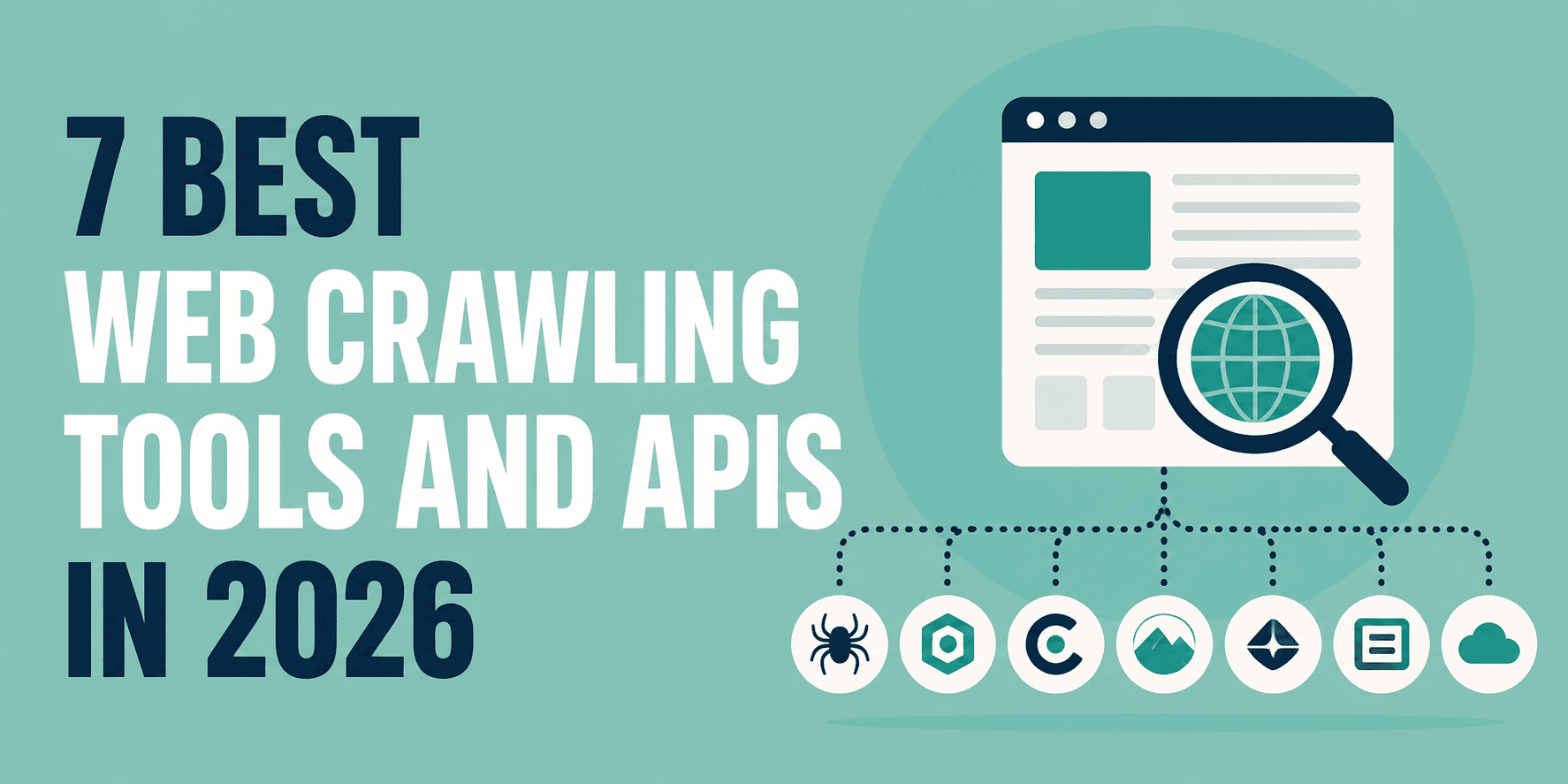
Explore smarter web crawling tools to empower your data workflows
Web crawling keeps getting smarter, and this roundup of the best tools and APIs for 2026 proves how far the field has come. It focuses on practical collection, clean data generation, and powering AI agents, which is exactly where the real value sits. For anyone tired of wrestling with messy scraped content, this guide cuts through the noise. If you are also curious about how these systems connect to broader AI workflows, our piece on bridging retrieval and action offers a useful follow-up.
Stop wasting hours on AI output that misses the mark
Every hour spent untangling AI-generated filler is an hour you don't get back. This story calls out the real cost of sloppy outputs, and it's not just about wasted minutes. It's about the mental drag of cleaning up noise. We appreciate the push toward sharper, more intentional use of AI. For a deeper look at how AI can mislead even its creators, check out "Talking to My AI Clone Taught Me to Question the Tech." The fix starts with demanding better.
Explore How Legacy Systems Hide Simple Problems Behind Complex AI
The pattern is unmistakable: organizations hire for AI sophistication when their real need is data hygiene. The author sees it clearly, and they are right. It is not a talent gap. It is a readiness gap. Talented engineers are being pointed at problems that do not need agents or vector databases yet. They need clean pipelines and honest documentation. That is less glamorous work, but it is the work that matters. Before chasing the next framework, master the basics.

Move from Model Logic to Context Engineering for Faster Root Cause Analysis
The debate over root cause analysis is shifting. Engineers increasingly argue that modern LLMs can reason through the problem effectively, provided the context is prepared correctly. The real challenge, they say, lies in the pipelines that correlate telemetry. A Coroot experiment across eleven models offers early evidence for this claim. It is a pragmatic reframing of where the work actually happens. For those exploring how AI understands complex systems, this pairs well with our earlier piece on questioning AI's limitations.

Untangle the Data Hairball with Autonomous Data Products for AI
Data doesn't scale by adding more pipelines. It scales by giving data a boundary. Jörg Schad makes that case with autonomous data products, which wrap pipelines, schemas, and metadata into self-contained units. The promise is a cleaner architecture for GenAI, one where governance isn't bolted on but built in. He also shows how protocol-driven discovery can reduce context rot, a real pain for AI reliability.

Yelp streamlines AI model training with a unified, configuration-driven framework
Yelp's new Training Orchestrator replaces those scattered Spark scripts with a configuration-driven, DAG-based model. It's a smart move toward consistency, letting teams focus on what the data should do rather than wrestling with pipeline plumbing. We appreciate the shift from bespoke code to a unified framework. For a deeper look at how such distributed systems operate, our guide, "Unlock LLM Training: A Practical Guide to Distributed Algorithms," pairs well with this story. It's a practical step toward more accessible machine learning operations.

Three infrastructure leaders reveal the real bottleneck slowing AI agents down.
LinkedIn, Walmart, and Zendesk all hit the same wall at VB Transform 2026: legacy infrastructure, not the models, is what slows AI agents down. Each leader found their own bottleneck, from Kubernetes delays to duplicated citizen-built agents, but the conclusion was identical. Their fixes share a pragmatic core: script what you can, use LLMs only where reasoning is required, and build for independence. The real engineering isn't in the model; it's in the harness around it.