deployment
Beyond Market Intelligence keeps deployment in one place: 72 stories so far. The section currently leads with “See how AI stress-tests robots and self-driving cars before they roll out”, “From network training to deployment: finding the right fit for AI expertise”, and “AWS Agent Pinpoints Cloud Fixes Before You Deploy”. Before a robot arm picks a warehouse order or a self-driving car navigates a busy street, it should fail safely in simulation. A PhD and years of model training don't automatically make you the best person in the room. Acme AI is the next-generation, AI-powered spreadsheet platform built to replace Excel and redefine how analysts, data scientists, and enterprise teams work… The list below is every deployment story on Beyond Market Intelligence, newest first.

See how AI stress-tests robots and self-driving cars before they roll out
Before a robot arm picks a warehouse order or a self-driving car navigates a busy street, it should fail safely in simulation. That is the premise behind Laplace Intelligence, a University of Michigan spinout using AI agents and interactive simulation to stress-test autonomous systems before real-world deployment. The profitable startup will compete in Startup Battlefield at TechCrunch Disrupt this October. For more on how AI agents are reshaping industries, see our coverage of Nvidia opening its models for enterprise use.
From network training to deployment: finding the right fit for AI expertise
A PhD and years of model training don't automatically make you the best person in the room. One engineer's honest reflection on moving from training networks to deploying them at a FAANG company captures this well. They admit their ideas rarely outperformed peers, then watched LLMs get so competent that returning to research feels pointless. Deployment, though, runs on empirical, tribal knowledge that AI can't replicate. That's a compelling reason to stay.

AWS Agent Pinpoints Cloud Fixes Before You Deploy
AWS's Well-Architected Agent preview points to a smarter path forward for cloud teams: catch issues before they reach production. By analyzing environments against established best practices, it surfaces prioritized fixes across cost, security, performance, and reliability, then suggests remediation steps. Reviewing infrastructure-as-code pre-deployment is especially practical, shifting quality checks earlier in the workflow. For those exploring how such agents reason, our interactive 3D visualization of an AI agent's inner workings offers a useful companion perspective.

Waymo brings self-driving tests to Toronto streets this year
Waymo is bringing its self-driving vehicles to Toronto streets this year, starting with testing. That's a smart move, real-world urban environments expose autonomous systems to complex conditions no lab can replicate. The company's measured entry respects both technology readiness and public trust. For context on how other AI-driven hardware scales, see our piece on Microsoft's Maia 300 targeting multi-gigawatt inference. Progress is rarely a single breakthrough; it's built in layers, city by city.
Take Your Data Science Code from Notebook to Production
Getting your data science code from notebook to production doesn't have to be a wall of friction. This guide walks through the practical moves that turn experimental scripts into reliable, deployed tools, focusing on what actually works when you need your code running anywhere. For a deeper look at where rule-based logic can surprise you, our piece on when rule-based checks succeed at finding but fail at verifying offers a useful companion perspective.

Microsoft's Maia 300 Targets Multi-Gigawatt Inference While Efficiency Claims Face Scrutiny
Microsoft's plan to scale Maia to multi-gigawatt deployments by 2027 signals serious intent, but leading the announcement with tokens-per-watt invites scrutiny. Practitioners are right to question that efficiency claim. Maia 300's design is clever, collapsing scale-up and scale-out onto one Ethernet fabric and moving KV state between prefill and decode workers without leaving it. For teams focused on shipping faster, our piece on how AI helps developers accelerate release cadence offers a complementary perspective on the productivity side of the equation.
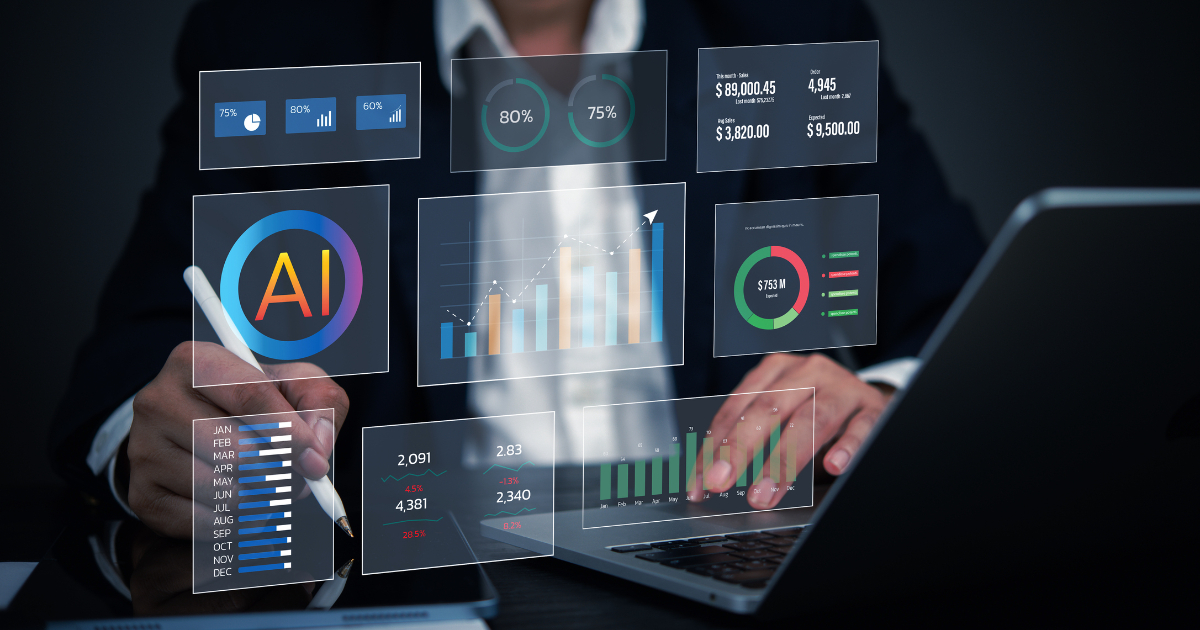
Your people are your biggest expense: AI helps them ship faster
Ben Linders makes a point that should refocus how we think about software delivery: your people are your biggest expense, so AI's real job is helping them ship faster. Speed matters because code only holds value when it's live. By shifting engineers toward deeper problem understanding, not replacing them, AI transforms that human investment into strategic innovation. For more on how platforms are rethinking developer access, see our coverage of Figma opening its platform to agents.
Simulate the impossible to stress-test robots before they launch
Most robots launch with blind spots that only emerge in the real world. Laplace Intelligence, a University of Michigan spinout, solves that by simulating the impossible, using AI agents and interactive environments to stress-test robots and self-driving vehicles before they ever roll out. The profitable startup is competing at TechCrunch Disrupt's Startup Battlefield. For a look at how AI exposes hidden inefficiencies in large-scale agent runs, see our piece "Efficiency Matters: What 50,400 Agent Runs Reveal About Wasted Work."
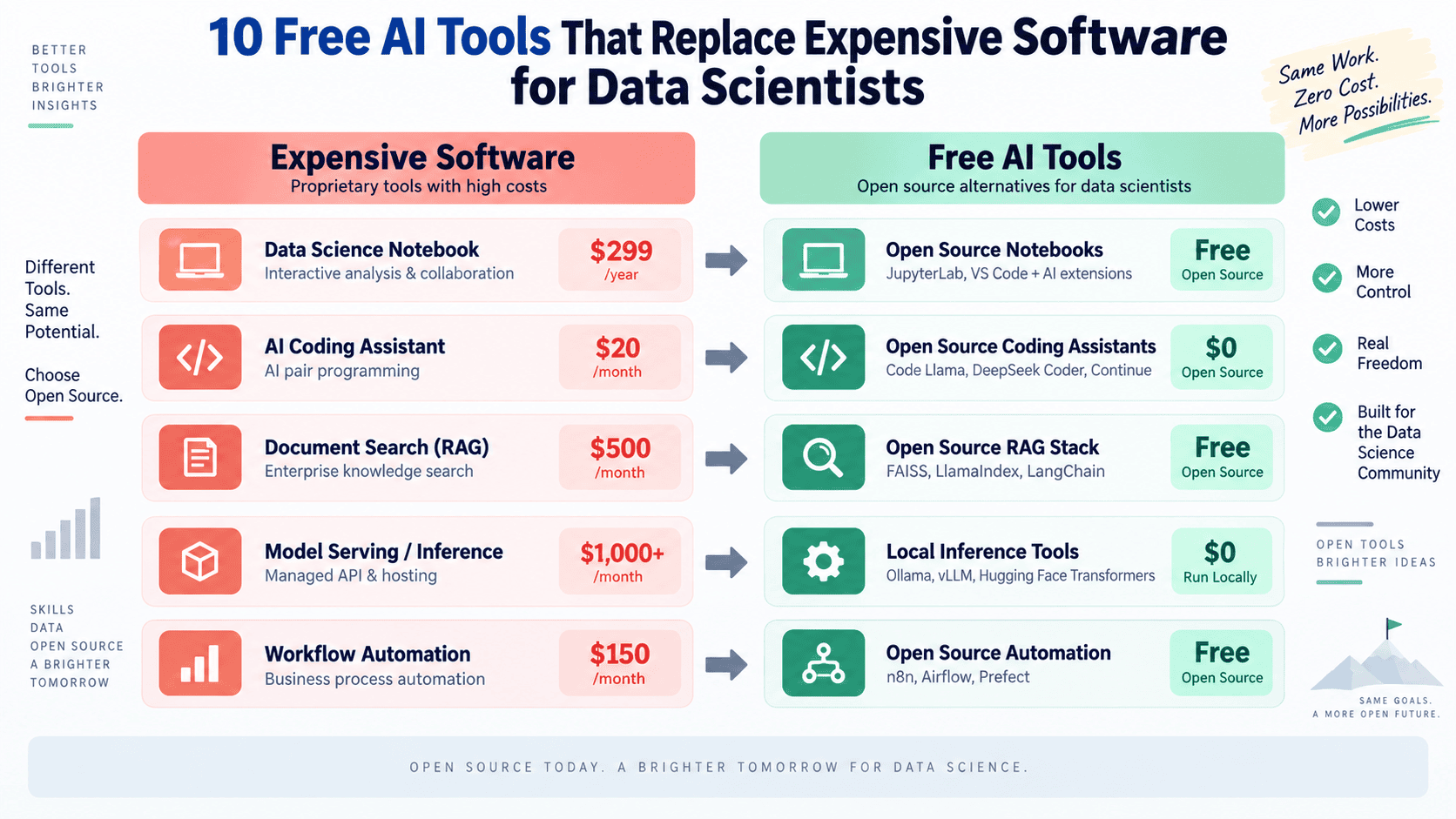
Build a complete data science stack for free with these open-source AI tools
Building a production-grade data science stack doesn't have to strain your budget. Open-source AI tools now match, and sometimes exceed, the capabilities of their paid counterparts, giving you a complete toolkit for free. This is about empowerment, not compromise. If you've been exploring how smarter workflows can transform your practice, our piece on semi-supervised learning as an underrated path offers a fitting next step.

Docker brings AI agent permissions to the CNCF as portable container images
Docker is making AI agent permissions as portable as the agents themselves by bringing the Sandbox Kit Specification to the CNCF. This move treats what an AI can access like a container image, something you can pack up and move anywhere. It's a practical step toward trust and flexibility in agentic workflows. For another look at how AI is reshaping practical tools, read our piece on Shopify's Canvas builder.

Google's space chip launch hints at orbital data centers requiring thousands of Starship flights
Google just sent its first advanced chip into orbit, and the message is clear: the future of data processing may live above our heads. If that sounds ambitious, consider the logistics, this path likely requires thousands of Starship flights to build orbital data centers. It's a bold bet on space infrastructure, and it reframes what "cloud computing" could mean. For more on how AI is reshaping digital workflows, read our piece on Photon's $4.5M bet on AI agents.
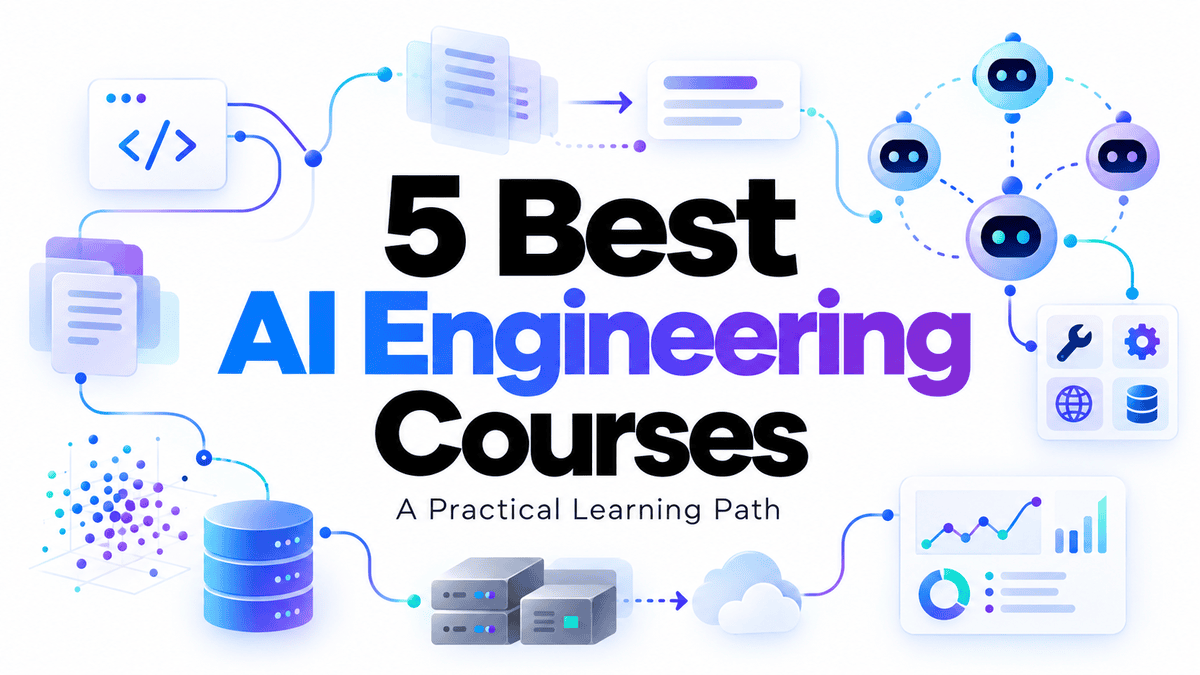
Explore five free courses to build practical AI engineering skills
Practical AI skills shouldn't require a computer science degree to access. That's why these five free courses focus on the fundamentals that actually matter: LLM basics, RAG, MLOps, fine-tuning, and deployment. Each one is built to move you from understanding concepts to applying them in real workflows. If you're ready to strengthen your engineering toolkit, start exploring. And for a broader view of where AI infrastructure is heading, our coverage of Python Workers going live offers useful context.

Python Workers Go Live as Questions on Speed and Upstream Support Emerge
Cloudflare's Python Workers have gone GA, but the launch feels more like an opening act than a headliner. Built on PEP 783 and socket syscalls over the Workers connect API, the announcement conspicuously omits performance figures. That silence is loud. A urllib3 maintainer is already asking who supports the upstream work afterward, and Wasmer's founder wants cold-start numbers, citing about 1.027 seconds from Cloudflare's own blog. These are fair, pointed questions. If you're evaluating this for production, you'll want answers before committing.

Aurora's 2030 driverless truck goal is a plan, not a pipe dream
Aurora's CFO says the company's 2030 target for driverless trucks is a plan, not a pipe dream. That distinction matters. Too many bold timelines lean on hype; this one leans on execution. The goal is audacious, but it's grounded in a clear roadmap rather than wishful thinking. For anyone watching the autonomous vehicle space, that's a refreshing shift. If you're curious about other ambitious tech roadmaps, our piece on how Meta's ZGateway slashes connections offers a different angle on scaling infrastructure.
The Hidden Challenges of Deploying AI Agents in Real-World Use
Deploying AI agents in production reveals challenges that no sandbox environment can simulate. A Reddit user recently asked practitioners to share what broke after real customers started using their agents. The answers are telling: unpredictable edge cases, data drift, and security gaps that only emerge under live conditions. One related article, "AI Agents Shared User Images, Highlighting Data Security Concerns," underscores this exact risk. The gap between demo and deployment is wider than most anticipate. It demands humility, not hype.
Unlock Team Momentum by Removing the AI Data Bottleneck
Data silos are quietly stalling even the most ambitious teams. When information is locked away, momentum dies. We see the same friction surfacing across industries, from inflated broker fees to the hidden costs of AI in hospitals. The fix isn't more tools; it's removing the bottleneck at the source. For a deeper look at how misplaced AI spending creates new problems, revisit our piece on rising hospital costs. For now, explore how clearing the data path can transform your team's workflow.
Exploring Real-World Computer Vision: Deployments, Edge Models, and Current Challenges
A developer who built the food recognition model for MyFitnessPal is now asking a grounded question: what are people actually deploying in industry today? Edge models, self-hosted systems, or API calls? He wants to know what still hurts, the problems that cost time, blocked delivery, or demanded awkward workarounds. This isn't guesswork; it's a direct invitation to shape real tooling. For deeper context on how models like these evolve, our article "Explore the Forrester Function" examines the mathematical thinking behind machine learning optimization.
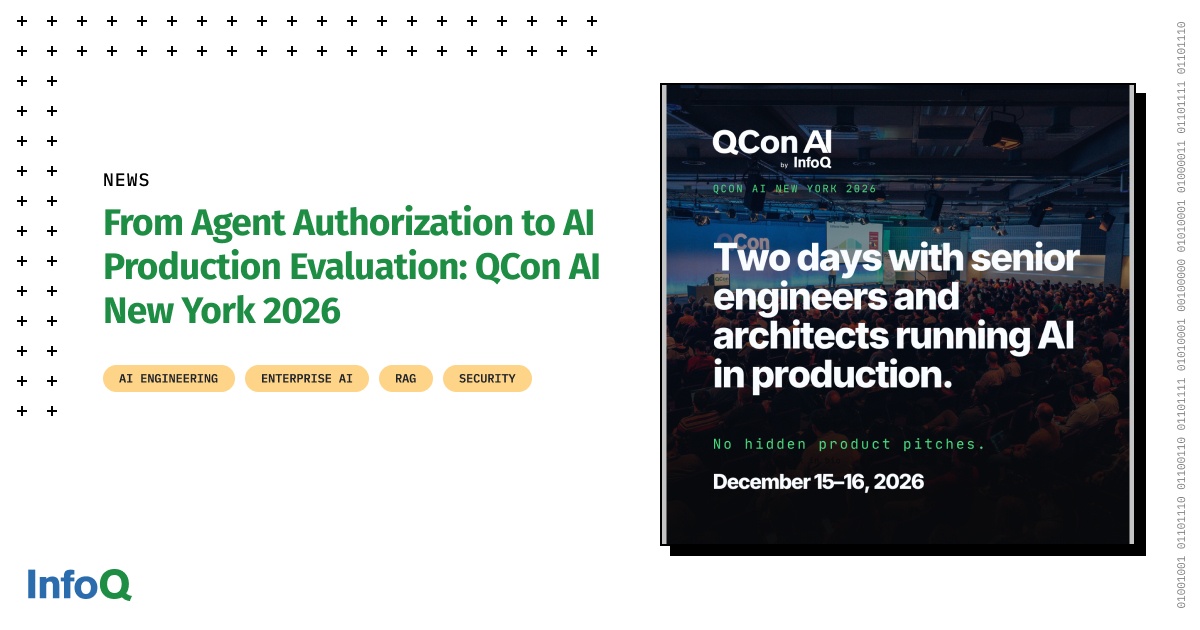
Explore the Future of AI Deployment: Key Topics at QCon AI New York
QCon AI New York has confirmed 23 sessions that dig into the real mechanics of AI deployment: agent authorization, production guardrails, shared inference infrastructure, and post-deployment evaluation. That is a refreshingly practical lineup. We talk a lot about building AI, but the hard part is running it responsibly at scale. If you are moving from experimentation to production, this agenda feels like a direct response to the questions we are all asking.

Scale Sandboxes Instantly: A New Approach to Concurrent AI Workloads
Modal's staff engineers Colin Weld and Connor Adams didn't just tweak their sandbox setup; they rebuilt it from the ground up. The result is infrastructure that handles millions of concurrent sandboxes and tens of thousands of creations per second. That's the kind of scale that makes concurrent AI workloads feel almost routine. It's a smart, grounded look at what it takes to move past legacy limits. For more on practical AI adoption, our guide to unlocking ChatGPT for work is worth a look.
Simplify EKS Management: Elastic Beanstalk Now Runs on Shared Clusters
AWS has added Cluster Mode to Elastic Beanstalk, letting it run applications on EKS clusters the service creates and manages. That is a practical step for teams wanting Kubernetes without the operational overhead. The catch: clusters are tied to subnet sets permanently, and direct access stays service-controlled. AWS also recommends separate clusters for untrusted or regulated workloads, and the new mode adds EKS and Auto Mode fees that EC2 discounts will not touch.
Run AI-Powered Development with GitLab Duo and Microsoft Azure
Enterprises hesitant to hand their codebase over to third-party AI models now have a clearer path forward. GitLab has expanded Duo Self-Hosted to support models running through Microsoft Foundry, giving organizations the ability to keep AI-powered development within their chosen Azure environment. That is a meaningful step for teams balancing productivity with compliance demands. The flexibility to run GitLab's capabilities against your own infrastructure removes a significant barrier.

Explore AI Safety: Base Labs, Hugging Face, and Goodfire Partner.
Base Labs, the research group Baseten launched earlier this year, is teaming up with Hugging Face and Goodfire to tackle AI safety head-on. Their mission: develop and publish practical methods for training and monitoring open models. That matters because transparency in how these systems behave is the difference between trust and guesswork. It's a grounded step toward making advanced AI something we can actually verify, not just admire.

Starship's Orbital Flight Set for September 22, Carrying Starlink Satellites
September 22 marks a significant step for Starship, as the next orbital flight will carry Starlink satellites into orbit. This mission also aims to deploy the first V3 Starlink units, a move that could meaningfully expand the constellation's capacity. It's a practical demonstration of how reusable launch systems and satellite internet are converging. For readers tracking these advancements, our coverage of scalable infrastructure, such as the piece on scaling sandboxes for concurrent AI workloads, offers useful context on the broader tech landscape.

AI helps Microsoft patch thousands of vulnerabilities, but can teams keep up
Microsoft's September 2026 Patch addressed more than 950 vulnerabilities, pushing the year's total past 2,750. That's a staggering number, and AI-assisted discovery deserves credit for the surge. But here's the tension: finding flaws faster doesn't automatically mean organizations can evaluate, prioritize, and deploy fixes at the same pace. The real bottleneck isn't detection; it's execution. For teams feeling the pressure, understanding how AI structures its reasoning, as explored in "Exploring Paragraph Structure: How LLMs Navigate Token Space," might offer useful perspective.