deployment
Beyond Market Intelligence keeps deployment in one place: 72 stories so far. The section currently leads with “From Two Weeks to One Hour: Grab's Framework Simplifies AI Agent Deployment”, “Navigating AWS Complexity with Smarter Terraform Infrastructure Management”, and “Resource Orchestration Made Practical with Stable Python Techniques”. Two weeks to one hour. The Terraform AWS Provider's v6.62.0 release lands as infrastructure grows more intricate, adding support for new capabilities while sharpening how Terraform reads existing resources. Acme AI is the next-generation, AI-powered spreadsheet platform built to replace Excel and redefine how analysts, data scientists, and enterprise teams work… The list below is every deployment story on Beyond Market Intelligence, newest first.

From Two Weeks to One Hour: Grab's Framework Simplifies AI Agent Deployment
Two weeks to one hour. That's the compression Grab achieved by standardizing its AI agent deployment with LLM-Kit, a framework now powering over 500 internal services. This isn't just about speed; it's about centralizing the messy parts of production, from secret handling to runtime tool discovery, so teams can focus on outcomes. We think that's a practical, human-centered approach to scaling intelligence. For a deeper look at how AI understands structure, explore our piece on how LLMs navigate token space. It's a natural next step.

Navigating AWS Complexity with Smarter Terraform Infrastructure Management
The Terraform AWS Provider's v6.62.0 release lands as infrastructure grows more intricate, adding support for new capabilities while sharpening how Terraform reads existing resources. That dual focus, forward momentum and deeper comprehension, matters for teams juggling complexity. It is not about chasing novelty; it is about making the provider a more reliable partner in daily work. For a broader look at simplifying cloud workflows, our guide "Unlock ChatGPT for Work" pairs well with this momentum.

Resource Orchestration Made Practical with Stable Python Techniques
Orchestration often feels harder than it should, especially when you are juggling stable, everyday Python. Five techniques that actually work today, built for 3.11 and later, with one 3.14-specific tool clearly flagged for those ready to push ahead. It is a grounded, practical read. If you want to extend your coding mindset further, our guide on unlocking Python's advanced techniques pairs nicely with this approach.
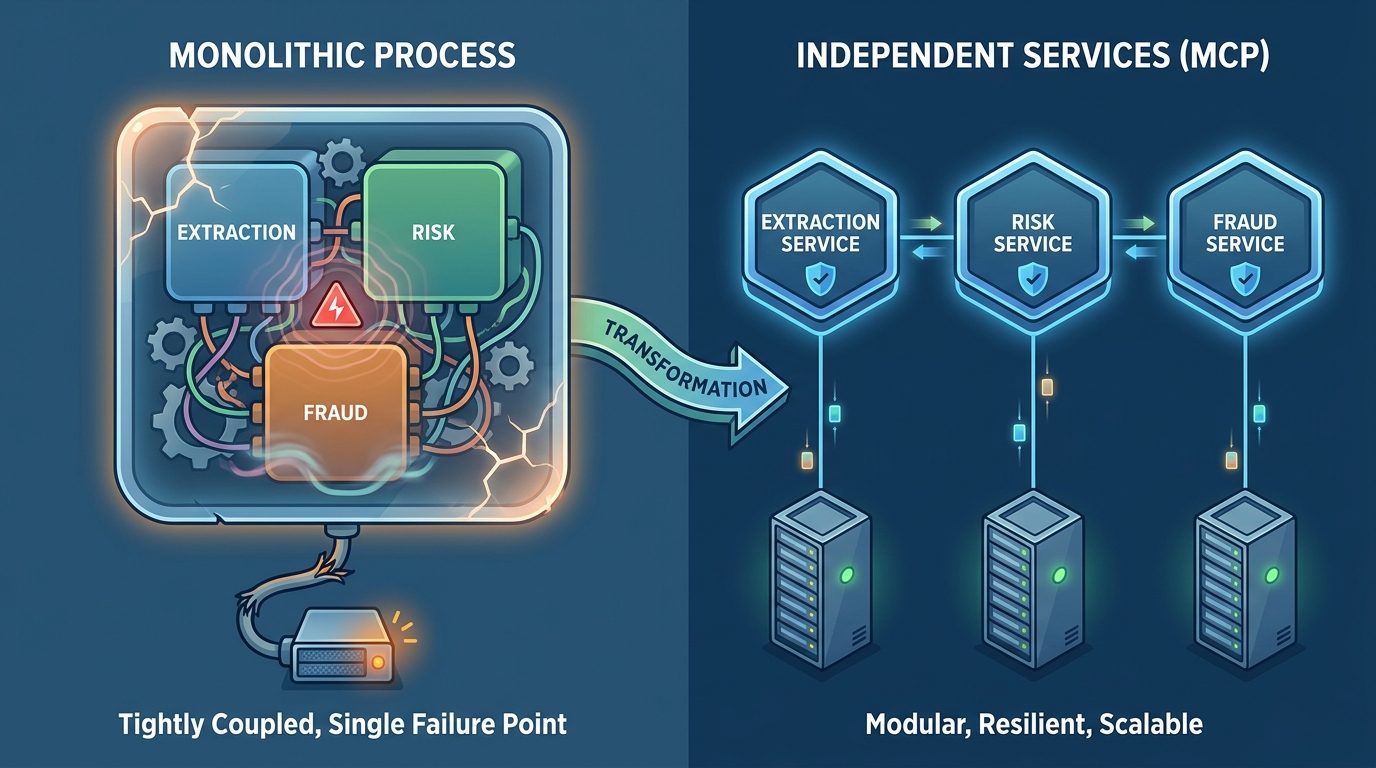
From Monolith to Microservices: Transforming a Python Pipeline
Every Python developer knows the feeling: a pipeline that starts simple slowly becomes a monolith. When our tightly coupled process grew too heavy, we knew something had to change. We split it into independently deployable MCP services. This approach isn't just about cleaner code; it's about reclaiming control over your workflow. By breaking things down, you gain flexibility and speed. It's a practical shift toward sustainable architecture. For more on adapting systems, you might explore *Evolve Your Recommendations: Real-World Insights on Adaptive Systems*.

We need a plan for superintelligence, not just blind faith.
OpenAI's Hugging Face breach is a stark reminder that superintelligent AI isn't just a far-off promise. It's a system we're already struggling to control. On this episode of TechCrunch's Equity podcast, Rebecca Bellan talks with AI researcher Connor Leahy about what happens when our tools outpace our oversight. The question isn't whether we can build these systems, but whether we should. For a deeper look at how AI understands structure, explore our piece on paragraph navigation in LLMs.

Zone redundancy arrives on Azure API Management Standard v2
Azure API Management's Standard v2 tier now supports zone redundancy, a capability that arrived on Premium v2 back in December. That is a meaningful step for teams wanting resilient API infrastructure without the premium price tag, especially since Standard v2 starts at $700 monthly versus $2,801 for Premium. The trade-off is a 99.95% SLA against 99.99%, which suits many production workloads. Just note, you configure zone redundancy at creation time, so plan accordingly.

Simulation-Driven Testing Turns AI Agents from Demo to Production Reality
Most AI agents never leave the demo room. Zhou Yu sees that bottleneck clearly, and she's addressing it head-on with simulation-driven testing that tackles compliance and reliability before deployment. Her work with Columbia and Arklex AI uses synthetic user personas and trajectory entropy to stress-test multi-turn agents, catching edge cases that typically slip through. It's practical, human-centered engineering. For a deeper look at how AI moves beyond the lab, explore our related piece on unlocking enterprise potential.

Discover how KYAML brings clarity and confidence to Kubernetes configurations.
YAML's flexibility has long been a quiet source of frustration in Kubernetes, and KYAML offers a way forward that feels long overdue. By enforcing a stricter dialect, it trades guesswork for predictability, helping teams catch common errors before they become production headaches. That focus on clarity aligns with what we've explored in our broader coverage of AI-driven workflows, like unlocking practical tools for everyday work. For developers tired of chasing subtle indentation bugs, KYAML is a practical step toward more reliable configurations.

Federal regulators examine Tesla's autonomous Cybercab rollout in Austin
The federal government has opened an investigation into Tesla's Cybercab deployment just hours after the first production units hit Austin streets. That timing is telling. It suggests regulators are watching closely as autonomous vehicles move from testing phases into real-world operation. The scrutiny is understandable, even necessary. As this technology accelerates, oversight becomes the counterbalance to ambition. For a deeper look at how these systems function in practice, our piece "Exploring Real-World Computer Vision: Deployments, Edge Models, and Current Challenges" offers useful context.
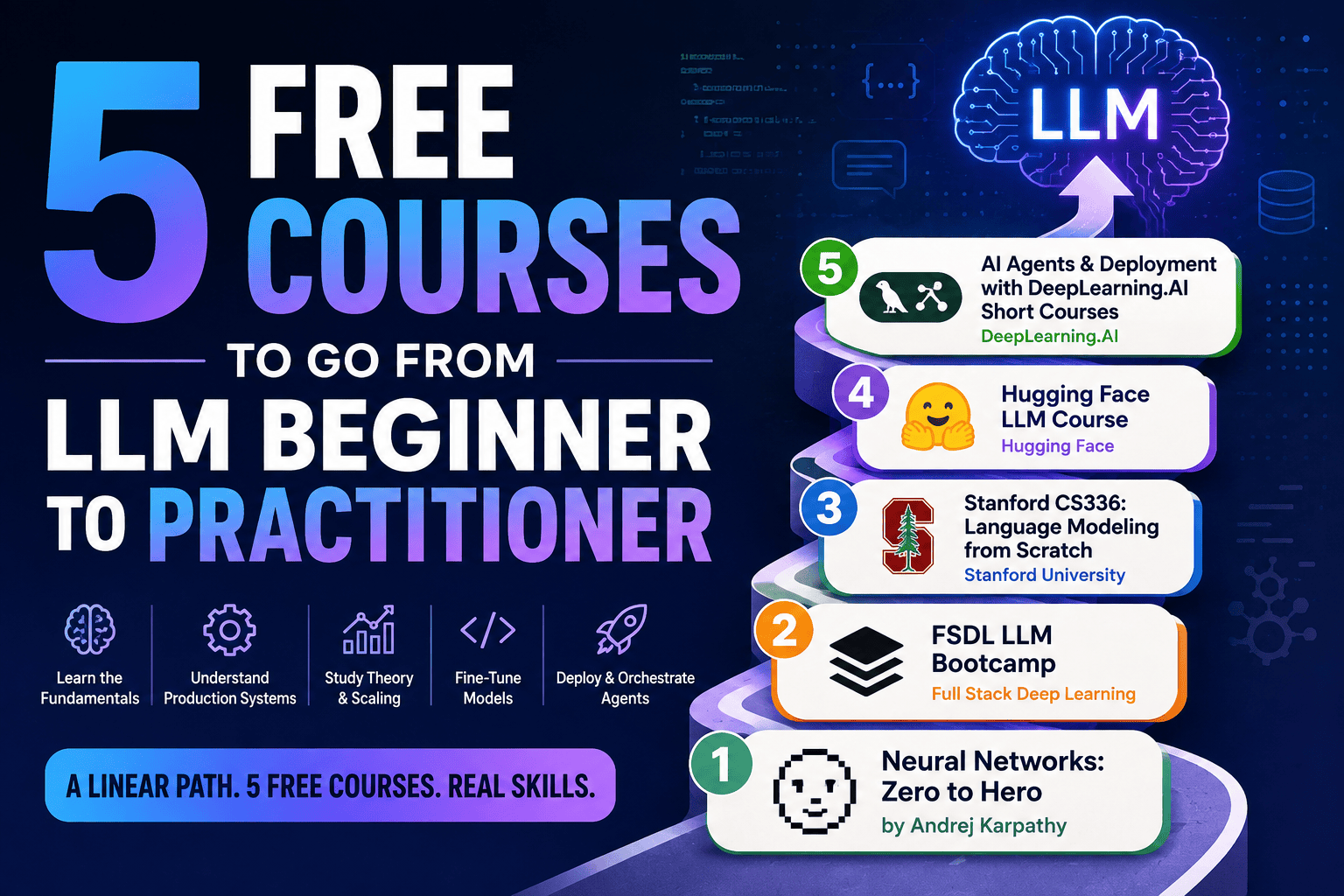
Explore a free path from LLM basics to building production-ready applications
The path from backpropagation basics to production-grade LLM applications doesn't have to be cluttered with endless tabs and half-finished tutorials. These five free courses form a deliberate, linear pipeline that respects your time and builds real competence. It's a focused route, not a buffet. If you're also curious about the infrastructure behind scaling these models, our guide on distributed algorithms pairs well with this track. Start here, move deliberately, and let the work itself teach you.
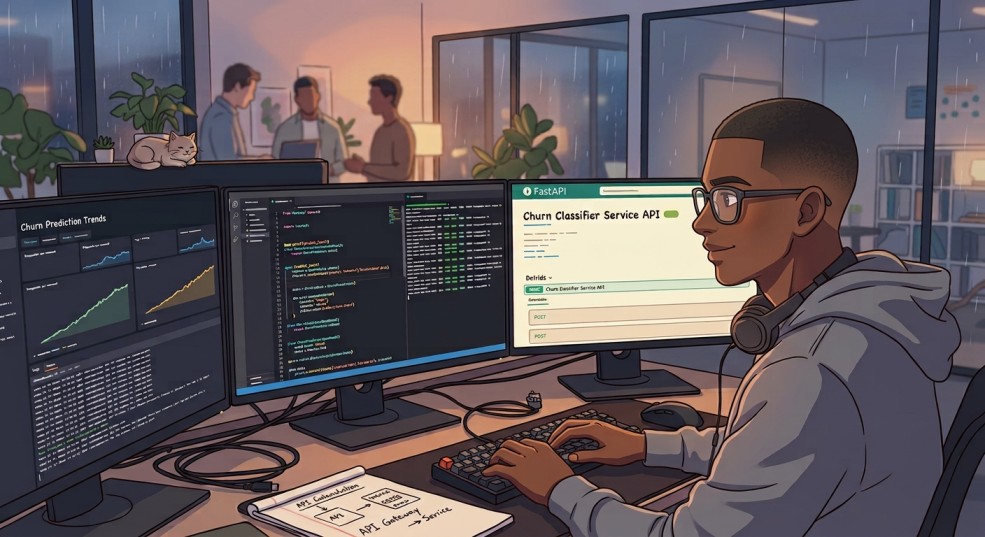
From Notebook to API: Making Your Churn Model Actually Usable
Training a churn classifier that performs flawlessly is one thing. Making it useful to the rest of your software is where the real work begins. This story follows that exact pivot: moving from a perfect model to a practical FastAPI service that other systems can actually call. It's a grounded, honest look at the gap between building and deploying. If you're wrestling with similar transitions, you might also appreciate our piece on navigating AI/ML job requirements.

See how forward-deployed engineering turns enterprise AI into lasting value.
Forward-deployed engineering is where enterprise AI actually learns. The pitch is familiar: an engineer on-site, a workflow encoded in weeks, a demo that works on real data. The real test comes later. Does the next deployment start with more product and fewer unknowns, or just another services team? We see FDE as a disciplined learning loop. Every engagement should leave behind reusable capability, not just a satisfied customer. That compounding is what separates a product that understands from a company that simply delivers.
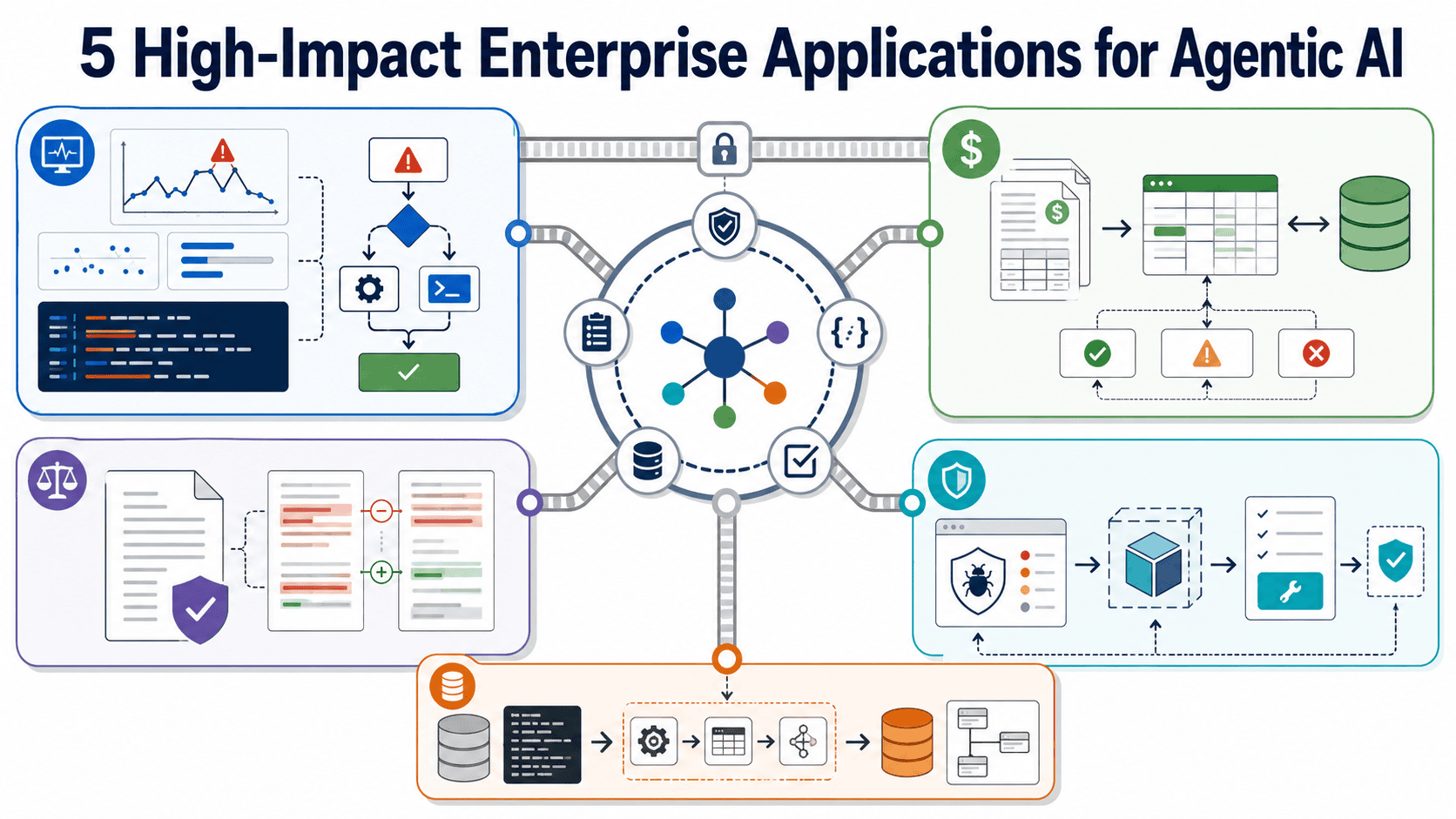
How agentic AI brings new efficiency to finance, legal, and security workflows
Agentic AI is moving from theory into production, and it earns its keep exactly in SRE, finance, legal, migration, and security workflows. Across SRE, finance, legal, migration, and security, the focus is on deploying these systems with deterministic guardrails in place. That combination of autonomy and safety is what makes enterprise adoption viable. For teams weighing production readiness, the discussions at QCon AI New York offer useful context on similar guardrail challenges. This is practical, grounded guidance for teams ready to move forward.
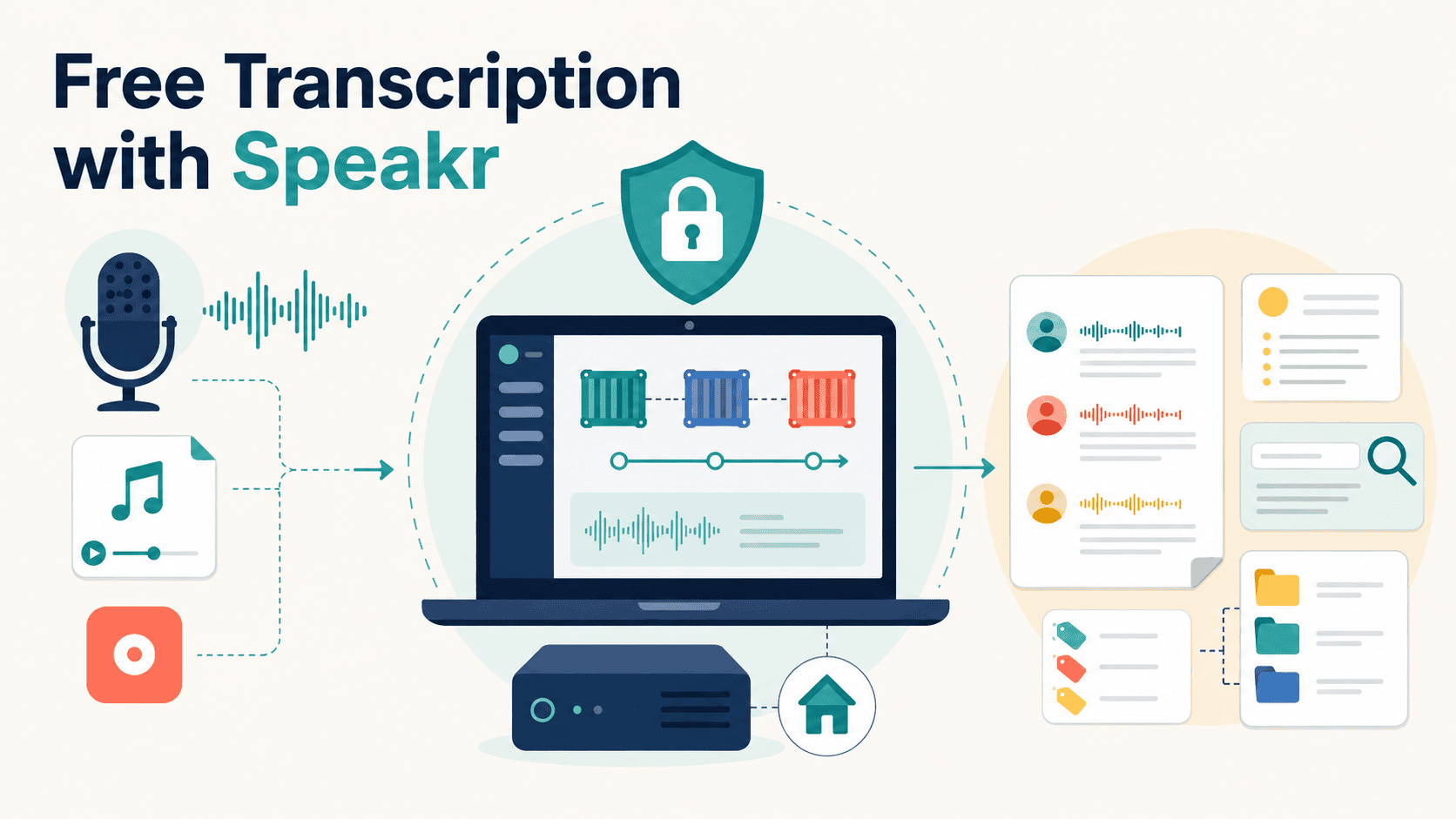
Your Data, Your Transcription: A Private Self-Hosted Guide
If you're tired of sending sensitive recordings to third-party servers, Speakr offers a private, self-hosted alternative. Setup is straightforward, and the real payoff is full control over where your audio lands. We think that matters more as transcription becomes routine. For a broader look at how AI tools handle real-world constraints, our piece on computer vision deployments offers a useful parallel. Start with Speakr's basics, then experiment with its settings to match your workflow.

Build smarter agents by connecting LangGraph to Postgres locally or in the cloud.
Connecting a LangGraph AI agent to Postgres doesn't have to be a headache. This walkthrough shows you exactly how to run the backend locally with Docker or scale it to the cloud, keeping the focus on practical steps rather than abstract theory. It's a straightforward approach for anyone tired of wrestling with database integrations. We appreciate the clarity here, especially since so much AI tooling feels needlessly complex. For deeper context on how LLMs handle structure, our piece on paragraph navigation is worth a look.

Why Your Best Fraud Model Might Not Belong in Production
Six models trained for fraud detection, yet the one with the best metrics never made it to production. That's the honest hurdle this final-year project exposes: evaluation scores don't always translate into real-world deployment. It's a grounded lesson in how operational constraints, not just accuracy, shape what actually ships. For anyone moving from academic benchmarks to practical systems, this is a useful reality check.
Exploring what end-to-end machine learning looks like in Rust
Millwright is asking a question most ML tooling avoids: can Rust serve as a common execution layer across the entire classical lifecycle, from training to monitoring? The project doesn't aim to replace Python's ecosystem. Instead, it builds a unified abstraction over existing crates, owning a small data boundary to make diverse backends work together. That's a pragmatic, honest approach. The focus on integration over reinvention is the right instinct.
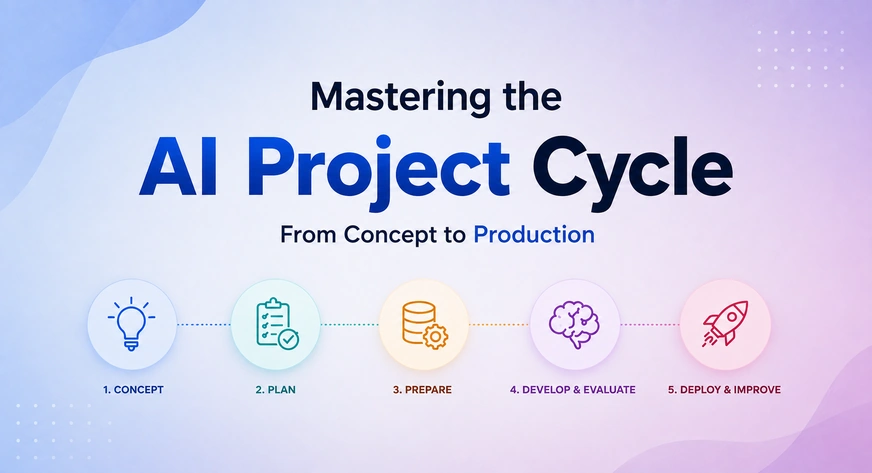
From Problem to Production: Navigating the AI Project Lifecycle
Picking a model and feeding it data is only the beginning. Real AI projects demand a structured path, one that starts with the right problem and carries through to deployment, monitoring, and refinement. That journey is the AI Project Cycle, and this piece breaks it down clearly. We appreciate how it frames the process as an accessible roadmap rather than a maze. If you are ready to go deeper, our guide to distributed algorithms offers a practical next step for those scaling their efforts.

Progressive Deployments for Stateful Infrastructure That Actually Works
Core infrastructure fails differently than applications, and pretending otherwise is how outages happen. In this presentation, Ian Nowland, drawing from his leadership at AWS and Datadog, confronts why conventional CI/CD practices break down for stateful, foundational platforms. He offers actionable techniques for safe progressive deployments and synthetic testing in production, all aimed at mitigating blast radius. It's a grounded, practical look at a complex problem.

Waymo brings its autonomous driving expertise to Munich's evolving regulations.
Waymo is bringing its robotaxis to Munich, a move that says a lot about where autonomous driving is heading. Germany's regulatory framework has made the city a natural testing ground, and Waymo is clearly paying attention. It's not hard to see the appeal: clear rules, a tech-savvy population, and a market ready for practical innovation. For anyone following the field, this feels like a deliberate step toward real-world deployment, not just a pilot.
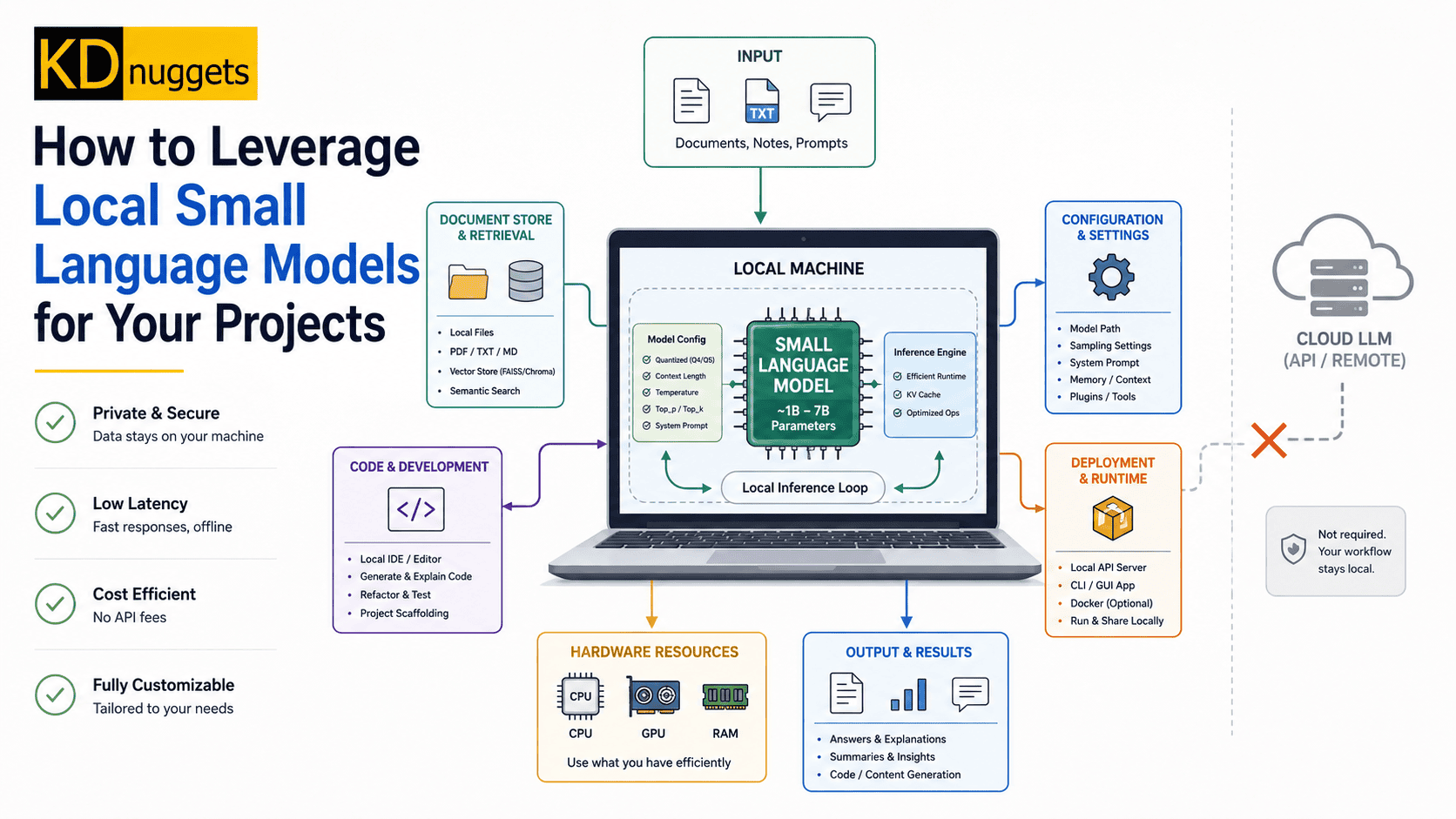
Unlock Faster AI by Running Small Language Models on Your Own Hardware
Local small language models let you run capable AI without sending your data anywhere. That is the practical appeal: privacy, lower cost, and direct control over your own hardware. This guide walks through the real steps to get them working, and we think the payoff is worth exploring. If you are curious about the broader challenges of distributed systems, our piece on unlocking LLM training offers a useful companion. For now, start compact, stay efficient, and see what you can build.
Turn Data Science Concepts into Deployable Workflows with Grok Build
Building a full data science project from scratch can feel overwhelming, but Grok Build and Grok 4.6 turn that chaos into a clear path. You'll move from exploratory analysis to scikit-learn models, then wrap it all in a FastAPI service, test it, and push it to the cloud. It's production-ready, not just a notebook experiment. For those wrestling with how AI models actually scale, our guide on distributed training algorithms pairs well with this workflow.
Submit your real-world NLP work to the EACL 2027 Industry Track
The EACL 2027 Industry Track deadline lands on 11 September, and that is closer than it looks. If you are building language technologies for real users, this is the venue that values your deployment experience over theoretical polish. The organizers understand proprietary data stays private, and the mandatory limitations section keeps things honest. We appreciate that. Explore the full call for papers and consider submitting. The related guide on practical LLM training strategies pairs well with what this track rewards. Your production insights belong here.
Explore how Aspire 13.5 refines your workflow with smarter tools and clarity.
Last week's release of Aspire 13.5 feels less like a routine patch and more like a deliberate step toward a smoother developer experience. The refreshed dashboard and aspire.dev homepage are welcome, but the real value sits in the details: file imports and progress dialogs in the Interaction Service, interactive terminals for resources, and Kubernetes persistent volumes with cross-scope Azure references in deployment. These aren't flashy additions. They're practical, quality-of-life improvements that reduce friction.