end-to-end
end-to-end at Beyond Market Intelligence is a file of 6 stories. The newest of them: “Turn Data Science Concepts into Deployable Workflows with Grok Build”, “Fine-Tune Large Language Models for Real-World Results”, and “Build and benchmark production RAG with fully open models”. Building a full data science project from scratch can feel overwhelming, but Grok Build and Grok 4.6 turn that chaos into a clear path. Fine-tuning an LLM often feels like stepping into a black box, but this guide opens it up. Acme AI is the next-generation, AI-powered spreadsheet platform built to replace Excel and redefine how analysts, data scientists, and enterprise teams work… The list below is every end-to-end story on Beyond Market Intelligence, newest first.
Turn Data Science Concepts into Deployable Workflows with Grok Build
Building a full data science project from scratch can feel overwhelming, but Grok Build and Grok 4.6 turn that chaos into a clear path. You'll move from exploratory analysis to scikit-learn models, then wrap it all in a FastAPI service, test it, and push it to the cloud. It's production-ready, not just a notebook experiment. For those wrestling with how AI models actually scale, our guide on distributed training algorithms pairs well with this workflow.

Fine-Tune Large Language Models for Real-World Results
Fine-tuning an LLM often feels like stepping into a black box, but this guide opens it up. It walks you through the entire process, from preparing data to deployment, with a clear focus on practical, real-world application. We appreciate how it cuts through the complexity, giving you a path to follow rather than abstract theory. If you are curious about the broader challenges of training these models, our related piece on distributed algorithms is a useful next step.
Build and benchmark production RAG with fully open models
Building a RAG system that actually works in production takes more than stitching together a vector database. This workshop on August 29, led by Ben Auffarth of Chelsea AI Ventures, tackles the messy parts head-on: hybrid retrieval, reranking, and guardrails built in from the start. It's refreshing to see evaluation with RAGAS and real cost benchmarking treated as essentials, not afterthoughts. If you're tired of demo-grade AI, this hands-on session is worth exploring.
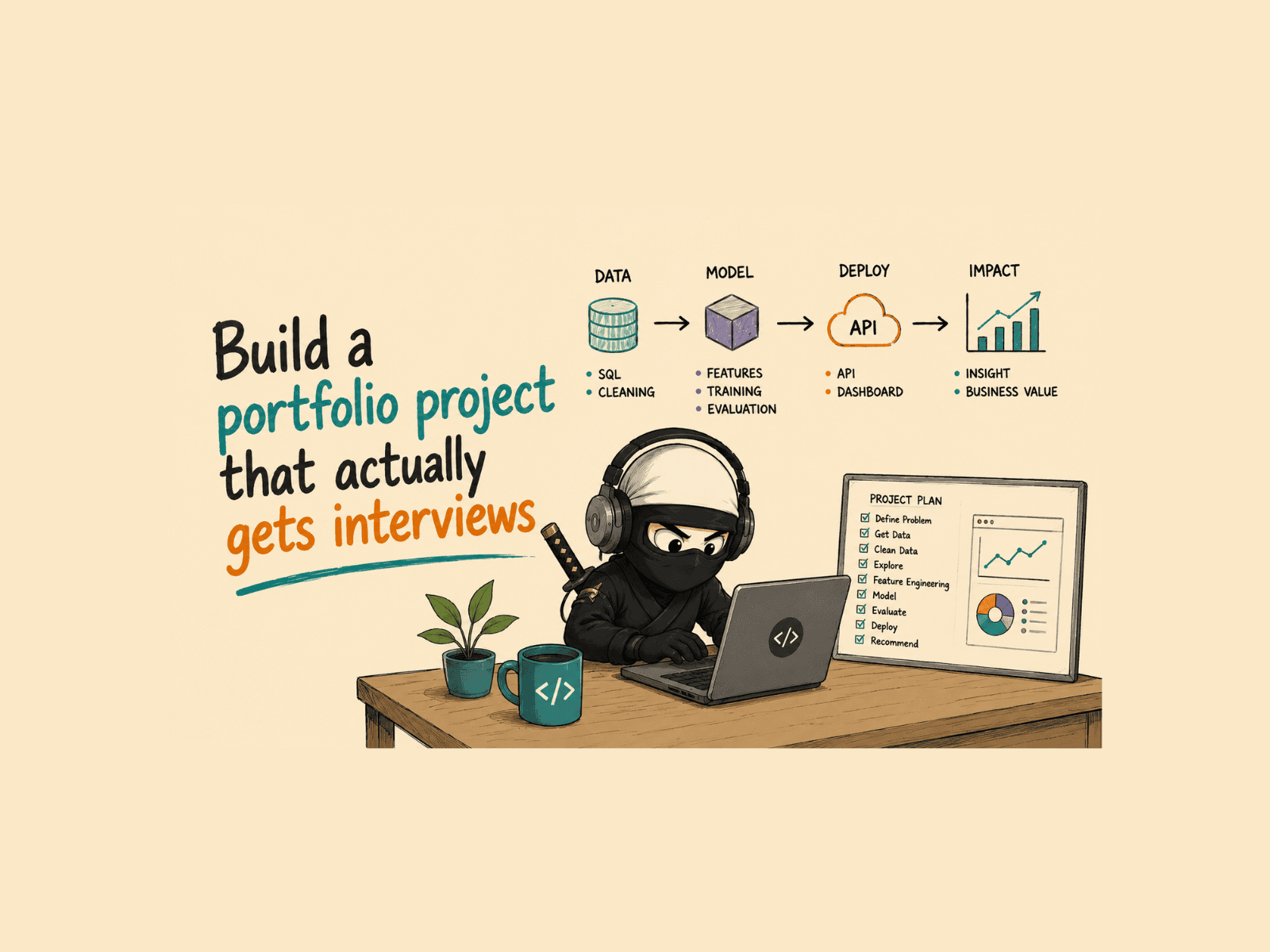
Transform your portfolio from a notebook into a complete data story
A finished notebook is a great start, but it's not a finished story. Most portfolios stop at the analysis, leaving your ability to engineer a real solution unseen. This project shows you how to close that gap, building from raw data all the way to a deployed product. It's a practical push toward work that feels less like an exercise and more like proof. If you're ready to move past static examples, this is the path to take.
From raw sensor data to deployed model, discover a simpler path to edge ML.
Getting from raw sensor data to a deployed model on an MCU is rarely a smooth path, so seeing a project built specifically to remove that friction is refreshing. The auto-labeling tool stands out because manual labeling of time series data is a genuine bottleneck for many edge projects. It is smart to pair that with a chatbot that offers direct signal insights. Keeping the platform open source invites practical contributions that could shape its evolution. It is worth exploring for anyone working on tinyML.
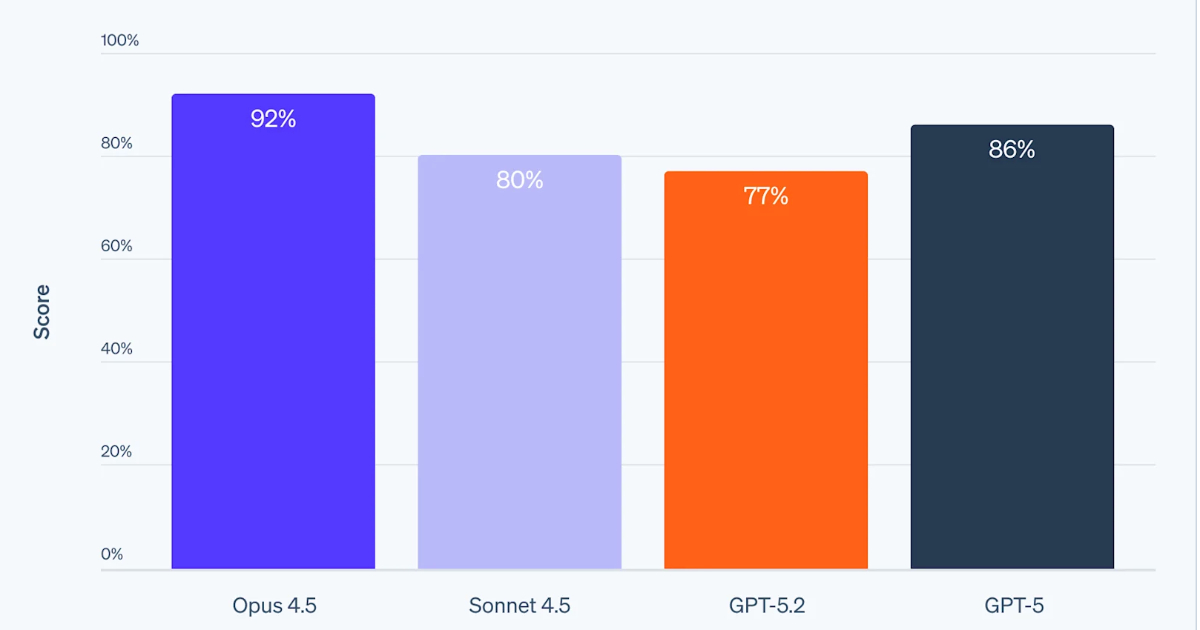
Stripe's New Benchmark Tests If AI Agents Can Actually Build Integrations
Stripe's new benchmark suite cuts straight to a hard truth: AI agents can build integrations, but they stumble when it's time to validate them. That gap between execution and testing is where real-world reliability lives, and Stripe is right to put it under the microscope. We're not talking about toy demos here; these are production-like constraints that expose weaknesses. It's a useful reality check for anyone convinced agents are ready to run unchecked.