energy
energy at Beyond Market Intelligence is a file of 32 stories. The newest of them: “Amazon funds 12 small nuclear reactors to power the grid from a former coal site”, “As fusion power scales, Licube is building the lithium supply chain to fuel it”, and “How Cambridge Heavy Industries is quietly building a desktop fusion future”. Amazon is funding 12 small nuclear reactors to power the grid from a former coal site, generating nearly 1 gigawatt of electricity. Fusion power is scaling fast, and that creates a massive new demand for lithium. Acme AI is the next-generation, AI-powered spreadsheet platform built to replace Excel and redefine how analysts, data scientists, and enterprise teams work… The list below is every energy story on Beyond Market Intelligence, newest first.

Amazon funds 12 small nuclear reactors to power the grid from a former coal site
Amazon is funding 12 small nuclear reactors to power the grid from a former coal site, generating nearly 1 gigawatt of electricity. This deal with X-energy signals a practical, large-scale move toward clean energy infrastructure. It's a bold step, repurposing old industrial land for modern needs. For more on how tech giants are reshaping their energy and data strategies, see our coverage of the Aurora PostgreSQL and DuckDB acquisition.

As fusion power scales, Licube is building the lithium supply chain to fuel it
Fusion power is scaling fast, and that creates a massive new demand for lithium. Licube is building the supply chain to meet it, positioning itself as a key supplier for the plants of tomorrow. It is a smart, grounded bet on an industry that is finally moving from lab to grid. For another view on how this future is being built, see our piece on Cambridge Heavy Industries.

How Cambridge Heavy Industries is quietly building a desktop fusion future
A laser-powered fusion device small enough to sit on a factory floor is being built by Cambridge Heavy Industries, quietly positioning itself to fuel the coming wave of fusion power plants. This is not a distant promise; it is hardware in development. While factory robots from Industrial Next retrain in minutes for delicate assembly, Cambridge is tackling the bigger energy question. Their approach deserves attention.

Hydrogen swaps diesel for less money with this retrofitted truck solution
Diesel is expensive and polluting, but LNK Energies says it has a smarter answer: a retrofitted truck that swaps diesel for hydrogen, and actually costs less. That is a compelling value proposition in a sector hungry for cleaner fuel. The company is not asking fleets to buy new vehicles, just to upgrade existing ones. It makes the transition feel practical. For more on how startups are reshaping legacy industries, see our coverage of the military contract won by an AI-powered balloon company.

Fuel cells offer data centers a more efficient path to power
Data centers are hungry for power, and fuel cells might be the most efficient way to feed them. This startup claims its technology delivers exceptional efficiency while cutting fuel costs, a compelling pitch when every megawatt counts. The timing is sharp, too, given that batteries now outprice gas turbines for backup power. Efficiency isn't just a perk here; it's the path forward for an industry scrambling to scale without burning through budgets.

Discover how AI infrastructure growth opens new paths at Disrupt 2026
AI infrastructure is no longer a background conversation, it's the foundation of what comes next. At TechCrunch Disrupt 2026, Ambrosia Energy CEO Ben Longmier and Bloom Energy SVP Bill Thayer take the Smart Systems Stage to show how energy innovation fuels AI's growth. This is where infrastructure meets ambition. Register now to save up to $100, or grab a second pass at 50% off. For deeper context, explore "Decoding 2026's AI Job Titles" to see how these shifts reshape engineering roles.

$200M fuels Type One Energy's lean path to a fusion plant by 2034
Type One Energy just secured $200 million to pursue a leaner path to a fusion power plant by 2034. That's a bold bet against the industry's usual megaproject mindset. We like the focus on speed and simplicity over sheer scale. It suggests a team that understands how to navigate complexity without getting lost in it. For a deeper look at how investors are placing their high-stakes bets, see our coverage of Menlo backing Factory with capital and confidence amid Khosla's criticism.

Beyond Scaling: Cerebras on the Future of AI's Compute Demands
Andrew Feldman, CEO of Cerebras Systems, is set to challenge the AI industry's assumptions at TechCrunch Disrupt 2026. He'll confront a simple question: what happens when today's hardware can't keep up? Cerebras is building differently, not just faster chips, but a fundamentally different approach to compute, energy, and infrastructure. This isn't about incremental upgrades. It's about rethinking the ceiling. For context on why some builders are stepping back from consumer AI, see our related piece on frontier labs.
Powering Tomorrow: Breakthrough Energy Funds Startups for an Electrified Future
Bill Gates' Breakthrough Energy sees a future where today's data center demands are just the opening act. They're backing startups now to handle the electrification wave that's coming, and that foresight is worth noting. It's a bet on scale, not incremental tweaks. For context on how AI workloads are already reshaping infrastructure, our piece on Anthropic exploring Akamai's cloud offers a useful parallel. The takeaway? Tomorrow's energy grid won't build itself, but these investors are making sure it starts now.

The hidden cost of AI: data centers set to surpass national energy demand.
The AI boom is rewriting America's energy map in real time. Projections now show U.S. data centers guzzling more natural gas by 2035 than Germany and Japan combined. That is a staggering leap, and it should make us pause. This isn't about scaring anyone away from innovation; it's about facing the infrastructure reality head-on. If we're going to empower this digital transformation, we need to plan for the power it demands.

Volkswagen doubles efficiency norms with an AI-inspired approach to design
Volkswagen's new halo EV nearly doubles the efficiency of the most economical production car on the road, the Lucid Air. That is not a small gap; it is a statement. By borrowing a clever idea from Slate, the automaker proves that radical efficiency does not require sacrificing practicality. We find that approach refreshingly grounded. It is one thing to chase specs, another to make them usable. For a deeper look at how data-driven decisions shape modern innovation, our piece on AI-native companies offers useful context.

Proxima Fusion invests €140M to secure its own HTS tape supply chain
Proxima Fusion is taking supply chain security into its own hands. The company announced Wednesday it will invest €140 million ($162.6 million) to build a factory producing fusion-grade high-temperature superconducting tape, the critical ingredient its reactor design depends on. That's a bold move, especially when Asian suppliers dominate this niche market. Vertical integration here isn't just strategic; it's a statement of intent. For a deeper look at how companies are reshaping infrastructure bets, check out our piece on Nscale's $3.36B AI data center push.

Bluecore Energy secures $50M seed round two months after launch
Bluecore Energy just closed an oversubscribed $50 million seed round, a striking leap from the $10 million pre-seed it raised only two months after launching. That pace signals real momentum, not hype. It's rare to see investors move this quickly, and it suggests the team's focus on nuclear innovation is hitting a nerve. We're watching this space closely, and if you're tracking similar shifts in energy tech, our piece on AI-native companies driving investment growth offers useful context.

A $1.9B loan powers Google's plan to revive an Iowa nuclear plant
Google's decision to revive an Iowa nuclear power plant just got real backing: a $1.9 billion loan from the U.S. Energy Department. That's a serious vote of confidence for a project most would have written off. It signals a pragmatic shift toward clean, reliable power for AI's growing appetite. We've seen similar momentum elsewhere, like Cloudflare's blog finding performance gains with EmDash, its new CMS. This isn't hype; it's infrastructure catching up to ambition.

Fusion startups find new urgency as AI data centers strain the grid
Realta Fusion is the latest startup to catch a utility's attention, and that's no accident. The grid is straining under the weight of new AI data centers, so power providers are finally treating fusion as a practical answer rather than a distant dream. It's a smart move, born of necessity, and it signals a welcome shift toward solutions that actually scale. If you're wondering how AI's rapid growth is reshaping technical expectations, our piece on navigating AI/ML job requirements offers a useful parallel.

Racing to gas power, SpaceX's new foundry risks a familiar pollution problem
Elon Musk's secretive new SpaceX foundry could cast turbine blades and bring gas power online 18 months faster than anyone else. It's a bold move, but it's also a bet on a fuel source already drawing lawsuits and health studies wherever his turbines, and others', have gone. Speed matters, but not at the cost of repeating known harms. Crusoe shifts focus, pausing Boom turbine deployment at data centers, a reminder that this path carries real friction.

Pacific Fusion's new facility aims to prove its energy can sustain itself.
Pacific Fusion just broke ground on a New Mexico demonstration facility designed to generate enough energy to power itself, a practical milestone that moves fusion closer to commercial reality. That self-sustaining threshold matters; it is the hurdle every design has struggled to clear. We see this as a confident step forward, not hype, just engineering momentum. For a deeper look at how infrastructure timelines are shifting across the region, our piece on Oracle's updated New Mexico data center schedule offers useful context.

Defense and energy grants give U.S. battery startups a path forward
The Department of Energy just handed U.S. battery startups $500 million in grants, and it's hard to overstate what that means right now. With EV incentives slashed, this industry was staring down a brutal stretch. This funding doesn't just soften the blow; it repositions these companies for a different kind of future, one where resilience matters more than hype. It's a pragmatic bet on domestic strength.

Inertia Enterprises speeds fusion fuel process from weeks to hours
Cutting fuel-fill time from a week to a few hours is the kind of breakthrough that makes fusion feel tangible. Inertia Enterprises just cleared one of 10 hurdles blocking a profitable plant, and that momentum matters. It's not flashy, but it's the hard, practical work that moves the needle. For more on how infrastructure bets are shaping this space, check out our piece on Anthropic's Akamai cloud commitment.

How home batteries became accessible and why that matters for you
Home batteries are suddenly cheap and everywhere, and that shift is worth pausing over. Companies like Tesla and Base Power are racing to claim their share of a market that's growing faster than most of us expected. One technology made it possible, and it's quietly changing what home energy can look like. This isn't hype; it's momentum. For anyone who's watched power costs climb or felt the limits of a grid, this is a story about real options emerging.

Form Energy secures funding to scale long-duration battery manufacturing for grid storage
Form Energy just closed a $750 million raise to scale production of its 100-hour batteries, a bold bet on long-duration storage that could finally shift the grid beyond intermittent limits. With Google and Crusoe already on board, this funding signals real commercial momentum, not just hype. It's a practical step toward a more resilient energy system. For more on how Crusoe's priorities are evolving, their pause on Boom's turbines offers useful context. This is the kind of infrastructure progress worth watching closely.

SpaceX's Texas chip fab leans on gas, not solar, to power production
SpaceX and Tesla's planned semiconductor fab in Texas will run on natural gas power plants, not Tesla solar panels. It's a pragmatic choice, even if it clashes with the clean-energy branding we often attach to these companies. Reliability matters more than optics when you're manufacturing at this scale. The decision reflects a hard-nosed focus on output over ideology. For deeper context on how major players are making infrastructure bets, our piece on Crusoe shifting focus away from Boom turbines offers a useful counterpoint.
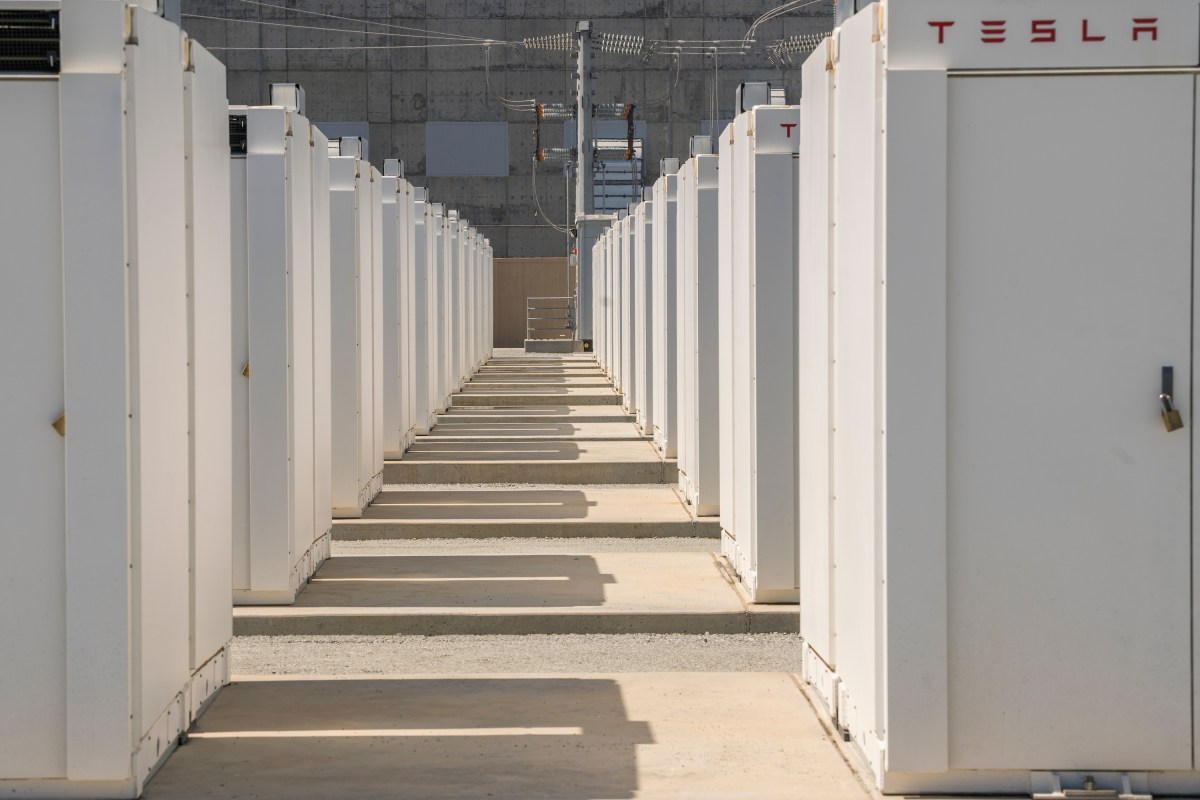
How Tesla Megapacks power SpaceX's expanding energy needs
SpaceX has poured $329 million into Tesla Megapacks so far this year, and that number says more than any press release could. It shows how naturally Elon Musk's companies feed each other, not as a gimmick, but as a practical engine for progress. When one arm needs serious storage, another steps up with the hardware. That kind of interdependence is worth watching, especially as Tesla Semi Production Ramps Up elsewhere. Explore how these threads weave together; the connections are where the real momentum lives.

Texas pauses data center growth to rethink energy demands
Texas has long been the default answer for data center developers chasing cheap power and light regulation. But the governor's call for audits signals that even the most business-friendly state has limits. Growth without scrutiny eventually hits a wall, and Texas just found its own. It's a reminder that infrastructure booms don't fail quietly; they strain until someone blinks. For context on how quickly energy demand is reshaping tech decisions, our piece on Crusoe pausing its Boom turbine deployment shows even startups are recalibrating.