energy
energy at Beyond Market Intelligence is a file of 32 stories. The newest of them: “SpaceX delays removal of unpermitted turbines at xAI data center”, “Fusion power startup signals a public listing within three years”, and “Power demands from data centers test grid capacity for the first time.”. SpaceX is building a new power plant for xAI's Colossus data centers, yet the existing, unpermitted turbines will stay put for another year. Commonwealth Fusion Systems is signaling it could go public within the next two to three years, and that timeline feels right for a company at its stage. Acme AI is the next-generation, AI-powered spreadsheet platform built to replace Excel and redefine how analysts, data scientists, and enterprise teams work… The list below is every energy story on Beyond Market Intelligence, newest first.

SpaceX delays removal of unpermitted turbines at xAI data center
SpaceX is building a new power plant for xAI's Colossus data centers, yet the existing, unpermitted turbines will stay put for another year. That is a long time to operate in a regulatory gray zone, and it raises fair questions about how swiftly infrastructure can outpace permitting. We are not here to judge the tradeoffs lightly, but the timeline feels stretched. For those wrestling with technology's ripple effects, our piece on questioning an AI clone offers a fitting, human counterpoint.

Fusion power startup signals a public listing within three years
Commonwealth Fusion Systems is signaling it could go public within the next two to three years, and that timeline feels right for a company at its stage. The fusion sector has been building momentum, and a listing would give it the capital to scale beyond pilot projects. It's a bold move, but one that aligns with the broader push toward commercial fusion.

Power demands from data centers test grid capacity for the first time.
Grid operators just made a hard call: temporary power cuts for data centers on the largest US grid to prevent blackouts. It's a pragmatic move, born from the breakneck pace of construction outpacing generation. We see the tension clearly, growth is only sustainable if the grid can carry it. This isn't about slowing innovation; it's about steadying the foundation. For a deeper look at how infrastructure strains shape tech decisions, our piece on Cloudflare's EmDash migration offers a useful counterpoint.

Explore how AI infrastructure is reshaping energy and grid systems
The Smart Systems Stage at TechCrunch Disrupt 2026 is where energy, infrastructure, and technology truly collide. Expect real talk on fusion breakthroughs and the mounting grid strain that AI is placing on the entire economy. It's a conversation about building smarter, not just faster. If you've been questioning how far AI should push our systems, our piece on questioning your AI clone offers a timely counterpoint. Explore the agenda and see where your next step fits.

How data centers can build resilience beyond the grid
A single downed power line in Northern Virginia turned into a stark reminder that data centers remain dangerously brittle when the grid stumbles. This close call wasn't just a flicker of inconvenience; it exposed a systemic weakness in how these facilities handle disruption. The fix isn't more backup batteries. It's smarter, AI-driven load management that anticipates failures before they cascade. We need to demand resilience, not just redundancy.

Bluecore Energy secures $10M to explore portable nuclear power on barges
Bluecore Energy has raised $10 million in a pre-seed round led by Slauson & Co., a decisive step toward putting portable nuclear reactors on barges. That's not just ambitious; it's a practical answer to the grid's need for flexible, zero-carbon power. Maritime deployment could sidestep the land-use and siting battles that stall traditional builds, and that's worth watching closely. If you're tracking how capital is moving into dense, AI-driven infrastructure, our piece on Nscale's $3.36B raise offers a useful parallel.
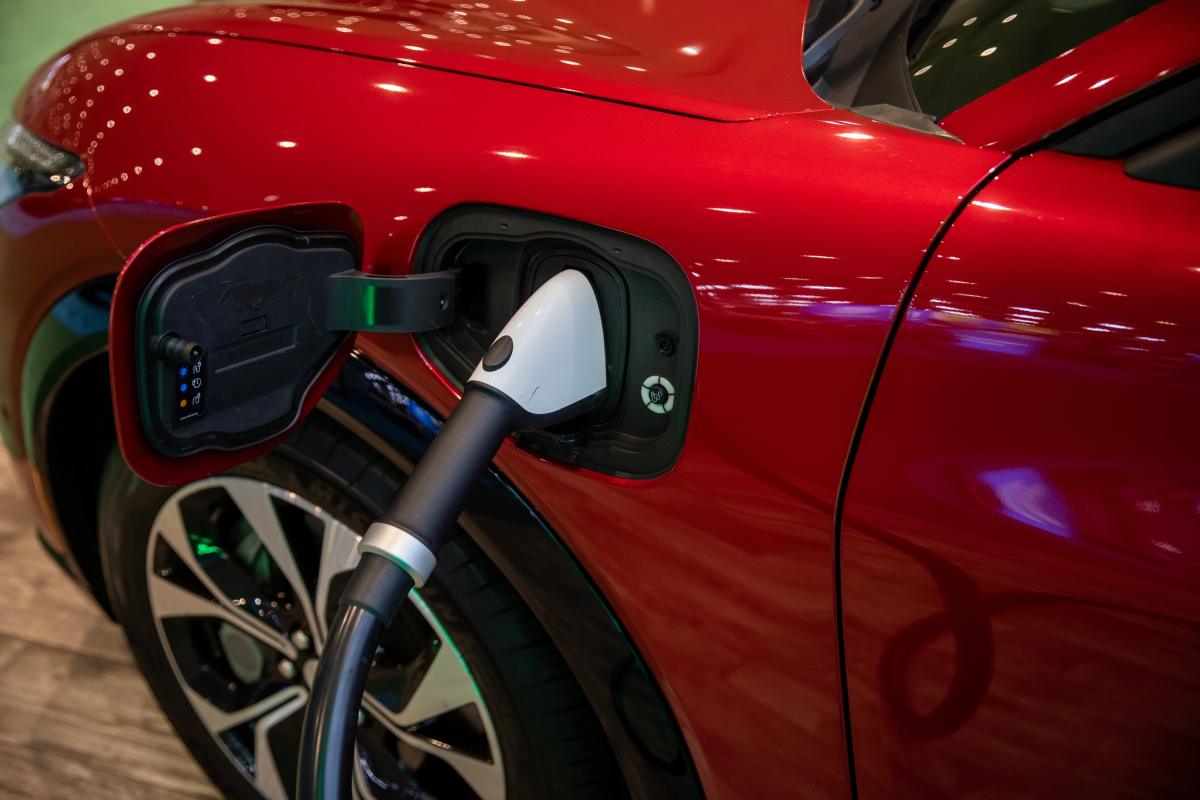
Data from a 600-mile road trip shows EV charging is finally reliable.
Six hundred miles in an EV used to mean a playlist of charging anxieties. But a recent road trip proved otherwise, as DC Fast charging across the U.S. has become notably faster and more reliable. That shift deserves attention, not because it's flashy, but because it removes a real barrier to adoption. For anyone hesitating, the data suggests the experience has quietly matured. It's an encouraging sign for practical, everyday use.

Two Data Giants, Two Very Different Energy Strategies
Mere miles separate two very different visions of AI's energy future. Google's largest solar and battery project, located just 40 miles north of xAI's unpermitted gas plant, highlights a stark contrast in approach. One invests in clean, grid-ready power; the other leans on fossil fuels with questionable legal footing. It is a telling juxtaposition for an industry racing to scale. For those tracking how infrastructure decisions play out, this proximity makes the choice between sustainable and shortsighted paths feel immediate.