evals (evaluations)
Beyond Market Intelligence keeps evals (evaluations) in one place: 3 stories so far. The section currently leads with “How AI agents free engineers from busywork to focus on judgment”, “Intuit rebuilt its AI agents twice to find a faster path forward”, and “From Prompts to Platforms: Building the Infrastructure for Production AI”. Instacart's CTO says AI made the company stop worrying about tech debt, and that's a bold bet worth examining. Intuit's AI VP, Nhung Ho, admits the company's path to agentic AI was messy: they scrapped their architecture twice in four months. Acme AI is the next-generation, AI-powered spreadsheet platform built to replace Excel and redefine how analysts, data scientists, and enterprise teams work… The list below is every evals (evaluations) story on Beyond Market Intelligence, newest first.
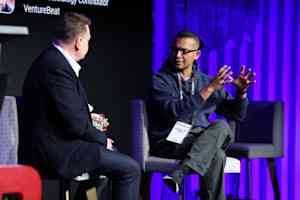
How AI agents free engineers from busywork to focus on judgment
Instacart's CTO says AI made the company stop worrying about tech debt, and that's a bold bet worth examining. Anirban Kundu argues that machines should absorb repetitive engineering work, freeing humans to focus on judgment and intent. In 97% of cases, builders don't even read code anymore. That's a striking redefinition of the craft. For a deeper look at how teams are managing modern testing pipelines, our related article on monitoring Cypress tests with Grafana offers a practical counterpoint.

Intuit rebuilt its AI agents twice to find a faster path forward
Intuit's AI VP, Nhung Ho, admits the company's path to agentic AI was messy: they scrapped their architecture twice in four months. The first failure came from an orchestration layer where natural language handoffs between agents compounded errors. Ho's team rebuilt on a skills-based system in 60 days, proving the pivot with real customer queries. It's a candid lesson in embracing failure as the fastest route to something that actually works.
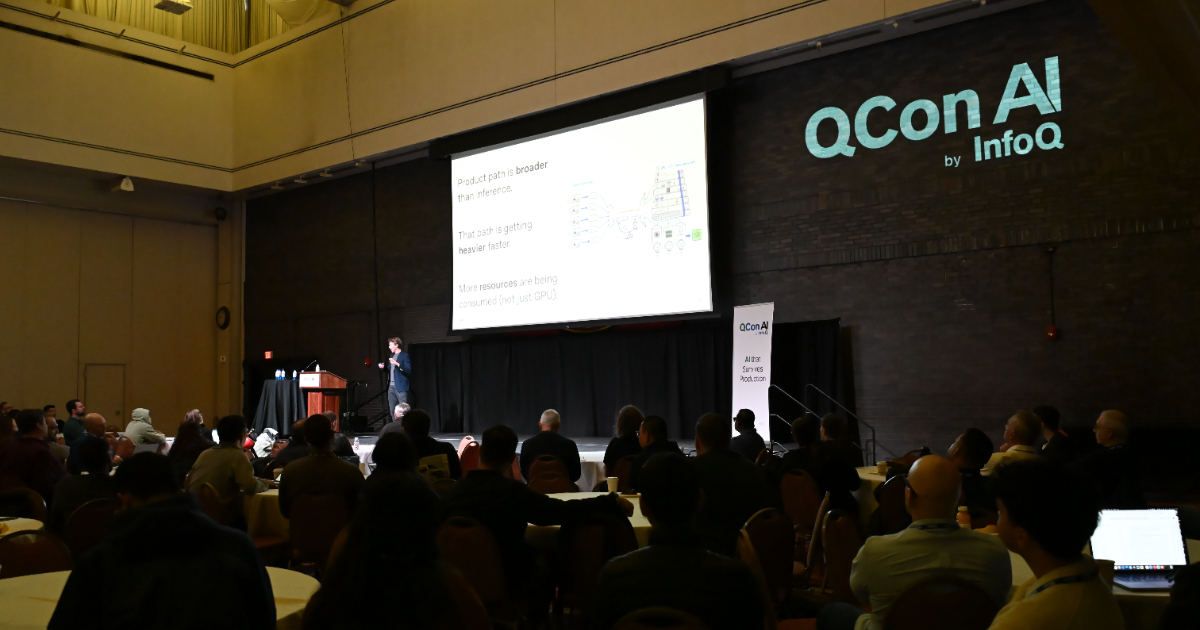
From Prompts to Platforms: Building the Infrastructure for Production AI
The operational reality of AI agents is finally taking center stage, and QCon AI Boston 2026 is where that conversation sharpens. The focus has shifted from what prompts can do to how we build dependable systems around them. We're talking about serious infrastructure: managing context effectively and wrapping agents in a security harness that keeps them safe in production. This is the unglamorous, essential work of making AI actually usable.