evaluation
evaluation at Beyond Market Intelligence is a file of 77 stories. The newest of them: “Exploring world models in robot learning through JEPA's practical promise”, “Navigate TACL's review timeline with clarity and confidence.”, and “Explore the future of multimodal interaction at the RTCA Workshop at NeurIPS 2026.”. Questioning a promising paradigm is how good research gets done. Waiting on TACL reviews is its own exercise in patience. Acme AI is the next-generation, AI-powered spreadsheet platform built to replace Excel and redefine how analysts, data scientists, and enterprise teams work… The list below is every evaluation story on Beyond Market Intelligence, newest first.
Exploring world models in robot learning through JEPA's practical promise
Questioning a promising paradigm is how good research gets done. JEPA-style models are compelling, but the recent evangelism from Yann LeCun warrants scrutiny. The biggest downside isn't the architecture itself; it's the overconfidence in its superiority over LLMs and RL. Those systems, for all their flaws, have proven scalable. JEPA's reliance on energy-based learning and latent variables introduces significant training instability challenges that are often glossed over.
Navigate TACL's review timeline with clarity and confidence.
Waiting on TACL reviews is its own exercise in patience. If your paper hit the July cycle, you're likely looking at decisions in late August or early September, though the full process from submission to acceptance often stretches past a year, sometimes closer to two with revisions. That timeline is normal, not a reflection of your work. As for respect, TACL carries real weight in NLP and computational linguistics circles.
Explore the future of multimodal interaction at the RTCA Workshop at NeurIPS 2026.
Conversational AI has moved past text chat into a world of voice modes and embodied avatars, yet building these systems to feel natural in real time remains a distinct challenge. The RTCA Workshop at NeurIPS 2026 directly targets this gap, focusing on streaming generation, interaction naturalness, and live evaluation. It is a practical step toward making machines that listen, watch, and respond fluidly. For those exploring how to evaluate such systems, our piece on "Jev vs LLMs" offers a useful parallel on measuring live performance.
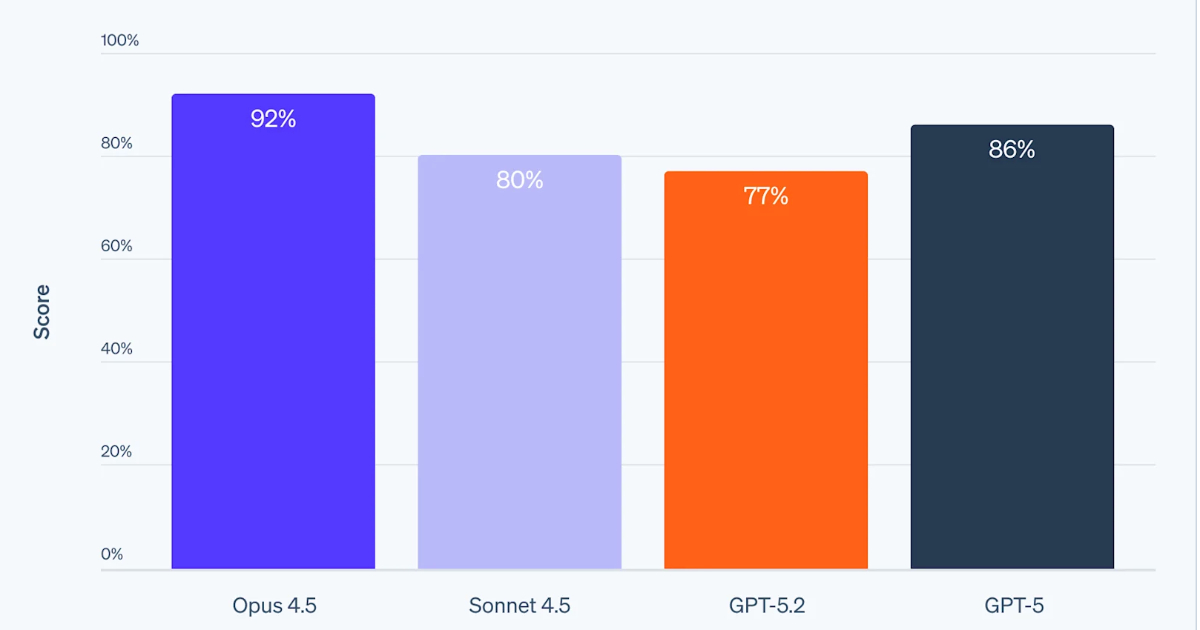
Stripe's New Benchmark Tests If AI Agents Can Actually Build Integrations
Stripe's new benchmark suite cuts straight to a hard truth: AI agents can build integrations, but they stumble when it's time to validate them. That gap between execution and testing is where real-world reliability lives, and Stripe is right to put it under the microscope. We're not talking about toy demos here; these are production-like constraints that expose weaknesses. It's a useful reality check for anyone convinced agents are ready to run unchecked.

Continuous Evaluation Keeps Your RAG Systems Reliable and User-Ready
A production RAG system isn't a set-and-forget deployment. It's a living thing, and like any living thing, it drifts. That's why this practical guide focuses on building an evaluation workflow that catches retrieval failures, hallucinations, and performance drift before they ever reach your users. It's about moving from hoping your system works to knowing it does. For those ready to go deeper into the underlying mechanics, our guide on distributed training offers a solid foundation. But start here, where trust is built continuously.