examples
Beyond Market Intelligence keeps examples in one place: 6 stories so far. The section currently leads with “When AI papers use jargon to obscure, not inform”, “Answering the Unanswerable: Real-World Lessons in Causal Inference”, and “Explore how many labeled examples your text classifier truly needs before scaling up.”. We've all been there, slogging through ICLR reviews, wrestling with AI writing that seems designed to obscure rather than inform. Causal inference answers questions that feel impossible: what would have happened otherwise? Acme AI is the next-generation, AI-powered spreadsheet platform built to replace Excel and redefine how analysts, data scientists, and enterprise teams work… The list below is every examples story on Beyond Market Intelligence, newest first.
When AI papers use jargon to obscure, not inform
We've all been there, slogging through ICLR reviews, wrestling with AI writing that seems designed to obscure rather than inform. One reviewer shared a gem: "outperforms the best baseline costing no more at none of six operating points." It's impenetrable, yet calling it "clearly AI writing" misses the point. The real question is how to critique bad writing regardless of its origin.
Answering the Unanswerable: Real-World Lessons in Causal Inference
Causal inference answers questions that feel impossible: what would have happened otherwise? This blog makes that abstract field concrete by walking through real-world examples where the methods actually solved problems. For newcomers, the clarity is the point. The examples do the teaching, turning tricky concepts into something you can grasp and apply. If you are exploring how AI reshapes data workflows, this is a natural next stop. Happy reading.

Explore how many labeled examples your text classifier truly needs before scaling up.
Before you default to an LLM API for every text classification problem, consider what a decades-old baseline can already accomplish with the labeled data you have on hand. This piece measures exactly how much more data buys you, turning guesswork into a clear, practical equation. It's a grounded, refreshingly honest look at efficiency. For those ready to move beyond theory, it pairs well with our guide on real-world computer vision deployments, where similar trade-offs shape every decision.
Designing Posters That Communicate Machine Learning Clearly
Putting together a strong poster for ECCV 2026 is a smart goal, and asking the community for standout examples is the right way to start. Great posters do more than show results; they tell a clear visual story that guides a viewer through the work without a wall of text. You are looking for models that balance clarity with depth. It is a practical request that deserves practical inspiration.
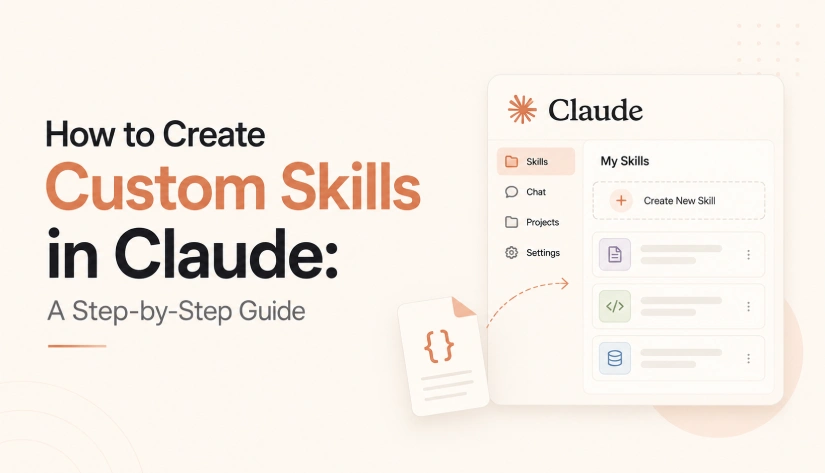
Turn Repetitive Prompts into Reusable Workflows with Custom Skills
If you're tired of re-entering the same validation rules and company standards into Claude for every project, custom Skills offer a more efficient path. This guide walks through packaging reusable instructions and templates so your team stops repeating the busywork. It's a practical fix for inconsistent outputs, and we appreciate how it keeps the focus on productivity rather than hype. For a deeper look at how AI can adapt through context, check out our piece on how agents learn by editing context, not model weights.
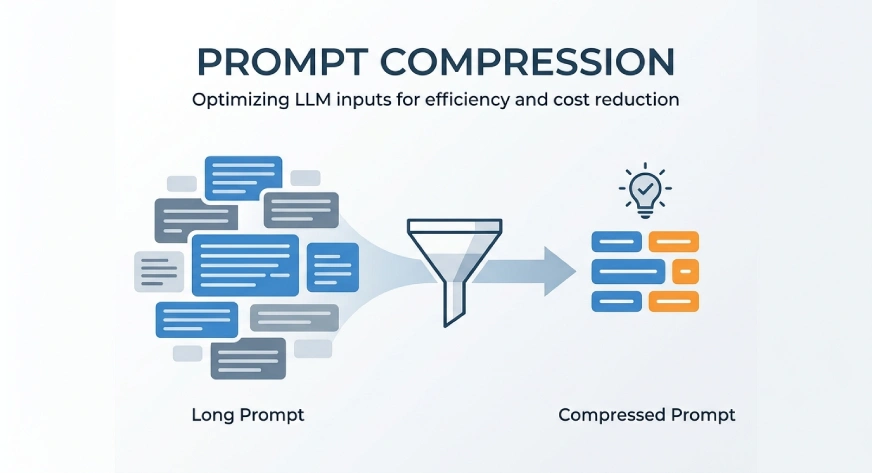
Smarter Prompts, Lower Costs: Compress Without Losing Context
Every prompt carries more than it needs. Long instructions, retrieved documents, and chat history inflate token counts, slow responses, and bury what matters. Prompt compression trims that excess while preserving the core meaning. It is a practical answer to a growing cost problem, and it deserves attention. If you want to see how agents learn by editing context instead of weights, our piece on Agentic Context Learning pairs well with this discussion. The takeaway is simple: leaner inputs, sharper outputs.