experiment design
experiment design at Beyond Market Intelligence is a file of 3 stories. The newest of them: “See Through the Hype of Your AI Feature's Adoption Numbers”, “Optimize A/B tests by allocating traffic based on variant cost, not tradition”, and “Explore why early A/B test significance often misleads your decisions”. When a team opts into an AI feature, the lift you measure isn't just the tool's effect. The default 50/50 traffic split assumes equal cost per variant. Acme AI is the next-generation, AI-powered spreadsheet platform built to replace Excel and redefine how analysts, data scientists, and enterprise teams work… The list below is every experiment design story on Beyond Market Intelligence, newest first.
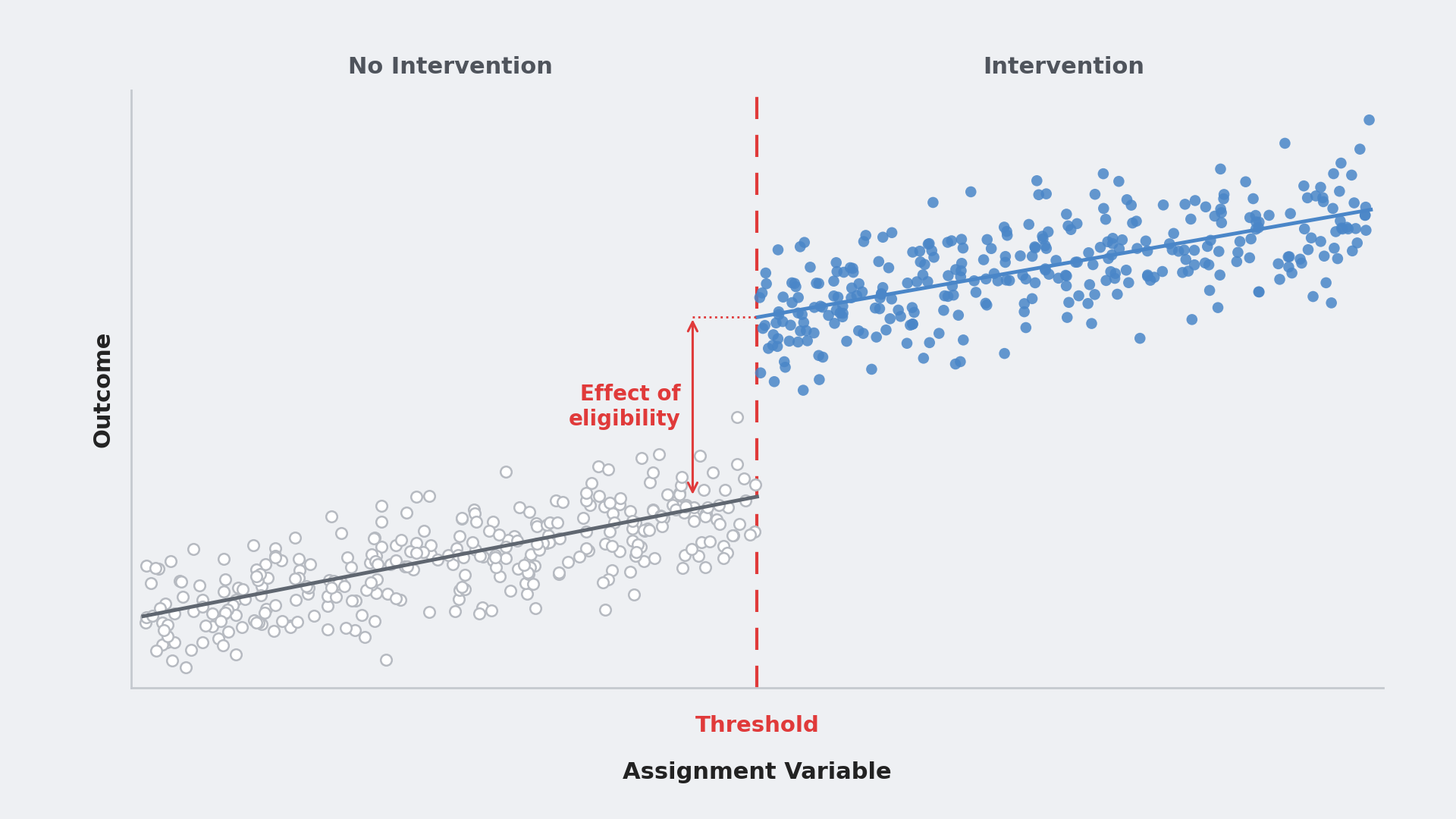
See Through the Hype of Your AI Feature's Adoption Numbers
When a team opts into an AI feature, the lift you measure isn't just the tool's effect. It's a selection effect, a reflection of who chose to engage. This guide offers a practical framework for estimating what that opt-in feature actually did, even without randomization. It's a sharp, honest look at a messy problem. For practitioners ready to dig deeper into the mechanics of modern AI systems, our guide to distributed algorithms pairs well with this mindset.

Optimize A/B tests by allocating traffic based on variant cost, not tradition
The default 50/50 traffic split assumes equal cost per variant. That assumption breaks when your treatment costs more than your control. This post tackles the math behind optimal allocation under heterogeneous variant cost, showing how cost-based sampling weights correct the imbalance. It's a practical fix for anyone running experiments where budget constraints matter. For readers interested in how similar efficiency principles apply beyond experimentation, our piece on the Forrester function explores a related mathematical tool for machine learning.

Explore why early A/B test significance often misleads your decisions
A single day of statistical significance in an A/B test is not a win. It's a mirage. The post "Stop Calling the First Significant Day a Win" challenges that premature celebration, and it's a critique worth taking seriously. We often chase early signals, but data needs time to stabilize. The rush to declare victory is understandable, yet it undermines the entire process. For those looking to refine their analytical instincts, this pairs well with our piece on catching AI slop before it skews your model.