features
Beyond Market Intelligence keeps features in one place: 27 stories so far. The section currently leads with “macOS 27.3 adds new controls to keep AI agents in check”, “OpenAI gives businesses new tools to help ChatGPT guide discovery”, and “Explore how Meta's Spaces redefines collaboration with your AI agent”. Apple's macOS 27.3 is rolling out new permission controls, warnings, and transparency features designed to keep AI agents from overstepping. OpenAI is giving businesses new tools to turn ChatGPT into a more capable discovery engine. Acme AI is the next-generation, AI-powered spreadsheet platform built to replace Excel and redefine how analysts, data scientists, and enterprise teams work… The list below is every features story on Beyond Market Intelligence, newest first.

macOS 27.3 adds new controls to keep AI agents in check
Apple's macOS 27.3 is rolling out new permission controls, warnings, and transparency features designed to keep AI agents from overstepping. These are practical guardrails, not abstract promises, clear settings that let users decide what automation can access and when to intervene. It's a welcome shift toward accountability in system design. For a deeper look at how agentic systems can be built responsibly, our guide to agentic system design with a practical 7-step roadmap is worth exploring.

OpenAI gives businesses new tools to help ChatGPT guide discovery
OpenAI is giving businesses new tools to turn ChatGPT into a more capable discovery engine. That's a smart move, one that shifts the platform from answering questions to guiding exploration. By empowering companies to shape how their products and services surface, OpenAI invites a more collaborative search experience. It's not about replacing traditional spreadsheets or databases; it's about making data feel alive and actionable. For deeper context on how regulation is shaping this space, see our coverage of New York's AI Safety Law.

Explore how Meta's Spaces redefines collaboration with your AI agent
Meta's Spaces redefines how you collaborate with your AI agent, bringing Muse agents into a shared virtual environment. This isn't just another feature update, it's a new way to interact with your AI helpers, making teamwork feel more intuitive and connected. As Muse agents gain capabilities, Spaces promises to transform productivity. For a deeper look at how AI agents are reshaping workflows, see our coverage of "Explore How GitLab 19.5 Brings Governed AI Agents Into Your Workflow."

Readwise builds a smarter home for book lovers beyond Amazon's walls
Readwise has built a smarter home for book lovers beyond Amazon's walls. Readwise Books brings an ebook store, reading tracker, detailed stats, and AI features together, a practical challenge to an ecosystem most readers never question. We like the ambition: give people one place that respects both their library and their attention. If you are weighing how to build better tools around your own data, our guide to starting or transitioning into data science this week is a useful next stop.

Apple's iPad mini gets a thinner build and OLED display with A20 Pro speed
Apple's iPad mini is getting thinner, lighter, and faster with an OLED display and the new A20 Pro chip. This isn't just a spec bump, it's a meaningful refinement that makes an already portable device feel even more essential. If you've felt held back by bulkier tablets for on-the-go work, this update is worth exploring. For a broader look at technology that delivers on its promises, see our piece on "Learning from AI's missteps: Projects that stalled or fell short."
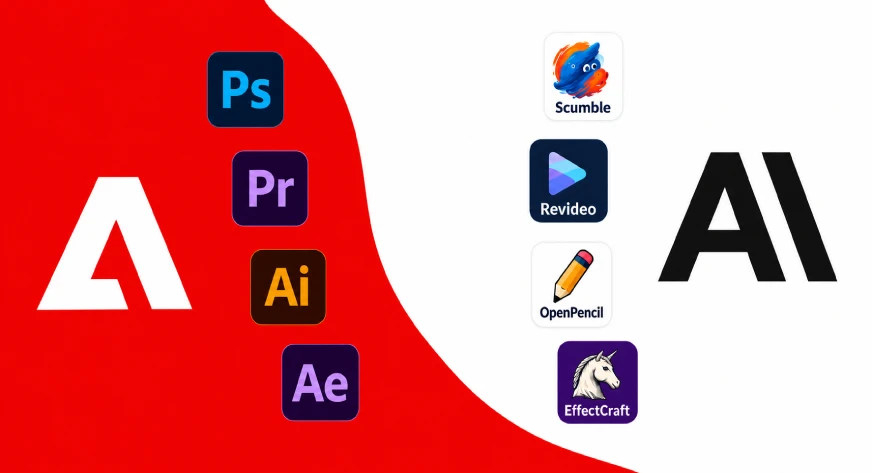
Explore free open-source tools that give you more control over your workflow
Managing multiple software subscriptions for editing, projects, and document signing is a familiar frustration. Open-source alternatives deliver powerful features and greater flexibility without the recurring bills. We explore ten free tools that put control back in your hands, starting with options that handle everything from image editing to project management. If you're curious about how AI agents might introduce new security concerns, our piece on insider threats from AI agents offers a deeper look.

Yelp's AI now calls restaurants for you to get real-time wait times
Yelp's latest AI feature picks up the phone so you don't have to. The app now calls restaurants directly to ask about real-time wait times, then serves up personalized recommendations that remember what you actually like. It's a practical move that removes friction from a simple but tedious task. For anyone who has ever sat through a busy-signal loop, this feels like progress. Meanwhile, Tolan secured $30M to expand its AI companion, another sign that useful, human-centered AI is finding its footing.

Helidon 27 Evolves With Smarter Modules Built for Modern Java Development
Helidon 27 is the first release to follow Oracle's Tip & Tail Model, meaning developers get both the latest Java innovations and a stable, secure baseline. New major modules, Helidon Messaging and Helidon Data JDBC, arrive alongside JDK 27, making modern Java development more accessible. This isn't about chasing trends; it's about empowering teams to build smarter. For a different take on platform evolution, see how Figma opens its platform to agents and expands code access in beta.

Figma opens its platform to agents and expands code access in beta
Figma is opening its platform to agents and expanding code access in open beta, a move that signals a more connected, programmable future for design tools. The code layers feature, now widely available, lets teams work closer to production without leaving the canvas. It's a practical step toward bridging design and development. For deeper context on how AI agents are reshaping industries, see our related piece on Apate.ai sending agents undercover to study scam operations.

React 19.3 Gives Developers a Clear Path for Client-Only Rendering
React 19.3, released September 9, gives developers a clear path for client-only rendering with its new `react-dom browser()` API. Components can now opt out of server-side rendering, solving hydration mismatches and enabling conditional data fetching. It's a practical, flexible solution for client-specific data challenges. For deeper context on how such innovations fit into broader architectural shifts, see our conversation with Michael Stiefel on rethinking long-term strategy for an AI-driven era.
Beyond the Novelty: Practical Power of AI-Powered Nested Arrays
You've put your finger on the real question: when does a neat trick become a genuine tool? Watching a CSV collapse into a single cell is impressive, but seeing your data hidden behind a formula isn't productivity. Nested arrays shine when you need to maintain relational structure without breaking your grid into separate tables. Think of filtering a dynamic list of project tasks where each row holds its own sub-array of dependencies. That's not novelty, that's a workflow.

Exploring the Sound: Sennheiser Momentum 5 Balances Power and Endurance
After weeks of real-world testing, the Sennheiser Momentum 5 proves that power and endurance can coexist without compromise. We pushed them through demanding listening sessions, scrutinizing clarity, noise isolation, and all-day wearability. The result is a pair that feels less like a spec sheet and more like a genuine upgrade for daily use. If you are exploring what makes a flagship headphone truly effective, this hands-on assessment offers a grounded perspective. For more tech insights, our piece on Swift 6.

Explore Early Access: Muse’s New Features, By Request
Muse's new features are arriving in early access, but there's a catch: you have to ask to get in. That's the point. By request, Muse is keeping the door open for those who want to explore what's next, and we think that's a smart move. It's not about hype; it's about building with people who care. If you're curious, raise your hand. For more on how Muse is gaining conversational ground, check out our piece on Meta's Muse AI Agent.

Unlock AI Tasks on the Go: ChatGPT Mobile Adds Voice Capabilities
ChatGPT's mobile update brings the Work tab to Pro and Plus users, putting agentic tasks directly in your pocket. That's a practical step toward freeing you from the desk, not a flashy gimmick. Voice makes it easier to act on complex workflows when you're on the move, and that's where productivity starts to feel less like a chore. If you're curious about verifying AI outputs, our piece on checking understanding fits neatly alongside this launch.

Snapchat expands beyond messaging with new event-planning tools.
Snapchat is stepping into event planning with new features aimed at everything from birthday parties to study sessions. It's a smart move, targeting the casual, spontaneous gatherings where Partiful has found traction. We like the focus on real-life connection over polished digital curation. For more on how younger users are redefining online spaces, check out our piece on Gen Z finding community in NPR comments. It's a fitting reminder that the best tools meet people where they already are.

Discover how Audio Intelligence turns your watch into a daily memory companion
Apple's Watch Series 12 and Watch Ultra 4 are taking direct aim at the rising wave of AI wearables, and the headline is "Audio Intelligence." These features let you rewind moments and recall details from daily conversations, turning your wrist into a memory aid rather than just a notification hub. It's a practical step forward, one that prioritizes your daily outcomes over raw specs. For more on how AI is reshaping hardware, check out "Explore the Future: When AI Designs Its Own Hardware."

For administrators seeking continuity, FreeCORE extends TrueNAS on FreeBSD.
TrueNAS CORE built its name on FreeBSD and OpenZFS, but the shift to Debian-based SCALE left a gap. FreeCORE steps in, upgrading TrueNAS CORE to FreeBSD 15.0 and restoring what some admins miss most: FreeBSD Jails. It's a focused solution for a specific need, not a universal fix. The catch is sustainability, one individual maintaining a project this complex raises real questions. For now, it's a compelling option worth exploring. Our piece on AI-driven research productivity shows similar trade-offs when innovation outpaces support.

TikTok borrows messaging tools to deepen how users connect
TikTok is turning comments into a conversation hub, weaving in voice notes, polls, and other interactive tools that feel plucked from your favorite messaging app. It's a smart move, borrowing proven engagement tricks to make the comment section less of an afterthought and more of a destination. We like the direction; it's about fostering connection, not just passive scrolling. For more on how platforms are rethinking user interaction, our piece on Muse's new features offers a fitting parallel.

Android update brings Gemini-powered accessibility and motion relief
Google's latest Android update takes a thoughtful step forward, addressing motion sickness with new visual cues and expanding accessibility options. It's a solid, practical release, even if some features mirror what Apple already offers. What stands out is how Gemini quietly powers several improvements, adding genuine utility rather than gimmickry. This feels like progress, not perfection. If you're exploring how AI reshapes everyday tools, our piece on verifying your AI's understanding pairs well with this conversation.

Linkdaze's free AI meal planner makes household calendars truly smart.
Linkdaze's smart calendar is built to run a household, not just track a schedule, and that mission rings true when you see its AI meal planner included without a paywall. Most tools dangle useful features behind a subscription, so this feels like a genuine shift toward accessibility. It's a smart move for families wanting practical help without the nickel-and-diming. If you're curious about how AI shapes daily tools, our piece "Talking to My AI Clone Taught Me to Question the Tech" offers a fitting counterpoint.
Discover how Linkdaze's smart calendar frees your household without a paywall.
Linkdaze's smart calendar is built to run a household, not just track a schedule. What stands out is that it doesn't hide its best features behind a paywall. The AI meal planner is a prime example, turning weekly menus into a task you can check off, not stress over. That kind of accessible utility feels rare. If you're curious about how other tools are opening up their capabilities, our piece on "Explore Early Access: Muse's New Features, By Request" offers a useful parallel.

Microsoft refines Copilot by merging apps and removing underused AI tools
Microsoft is streamlining Copilot by merging its consumer and business apps, a move that signals a pragmatic shift away from features like AI-generated podcasts and Group Chats. It's refreshing to see a company admit when something doesn't stick. This isn't about chasing hype; it's about focusing on what actually helps people work. For those of us still questioning the value of these tools, the decision feels like a step toward clarity.
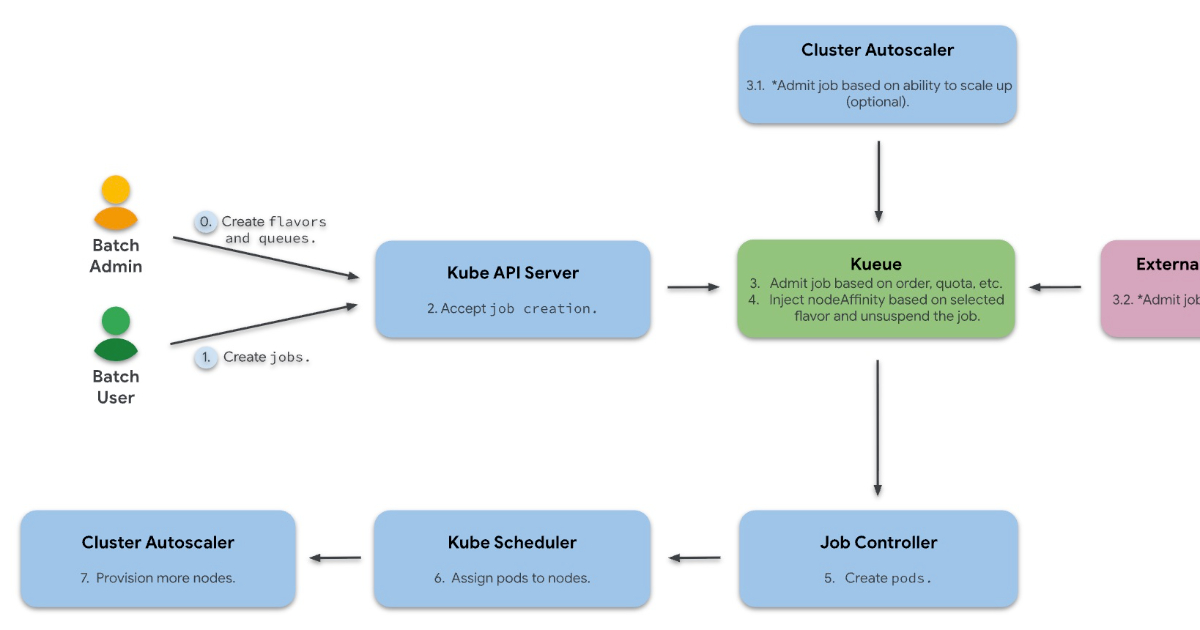
Netflix Migrates Batch Workloads to Open-Source Kueue, Retiring In-House System
Netflix has moved most of its batch workloads onto Kueue, an open-source cloud-native job queueing system that outgrew its in-house solution. The migration wasn't just about swapping tools; it let the company map existing capabilities while gaining new features that would've been costly to build internally. That's a pragmatic win. For those tracking similar infrastructure shifts, our piece on Cloudflare's EmDash migration offers another look at how open-source adoption pays off. Kueue's trajectory suggests the future of data management is increasingly shared, not siloed.

Explore how Airbnb uses AI to make search more intuitive
Airbnb is putting AI to work where it matters most: shipping features faster. The company is testing a new AI-powered search experience with a toggle, a small but telling step toward making discovery feel less like a chore and more like a conversation. It's a practical move, not a flashy one, and that's why it works. For anyone juggling complex tools, this kind of iterative approach resonates.