food delivery
food delivery at Beyond Market Intelligence is a file of 6 stories. The newest of them: “Flipkart readies its food-delivery play for India's next chapter”, “Uber invests $2.3B to expand Eats into corporate catering”, and “Wonder secures $425 million DoorDash deal to expand its restaurant network”. Flipkart is quietly opening its food-delivery service to thousands of employees, a deliberate step before the public launch. Uber is betting big on the office lunch crowd. Acme AI is the next-generation, AI-powered spreadsheet platform built to replace Excel and redefine how analysts, data scientists, and enterprise teams work… The list below is every food delivery story on Beyond Market Intelligence, newest first.
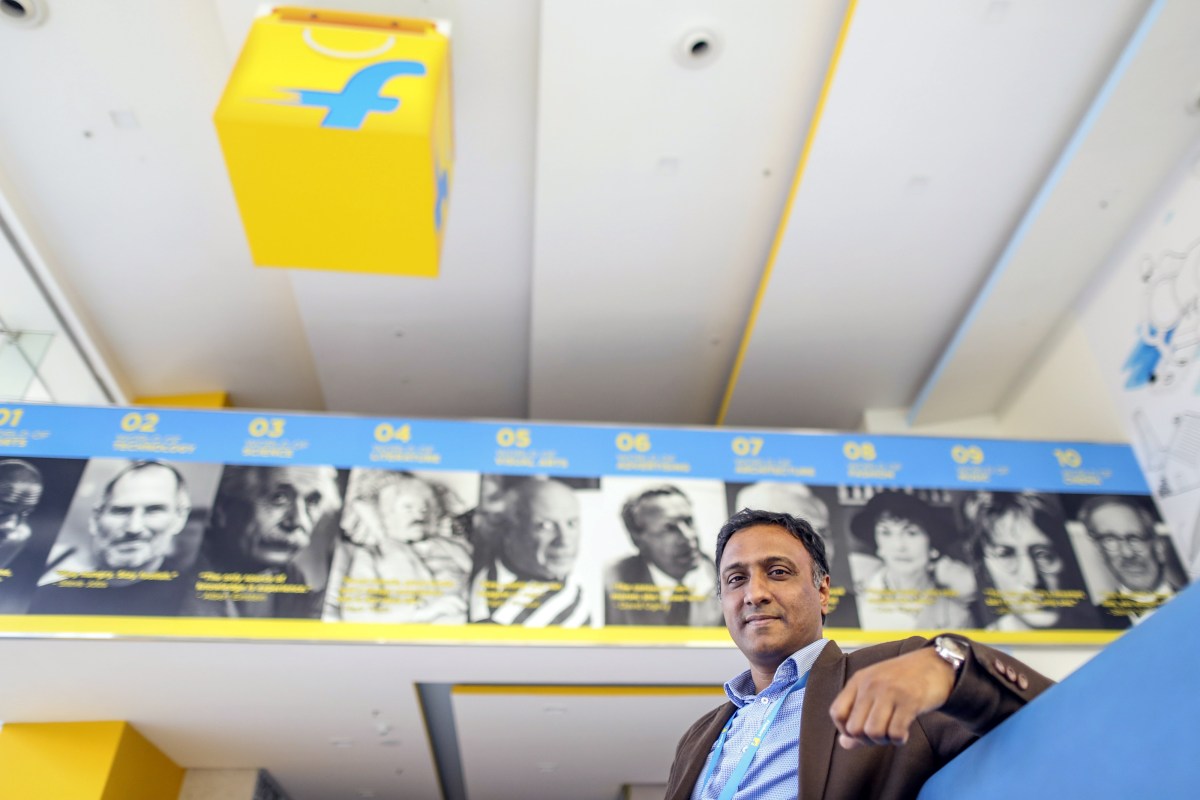
Flipkart readies its food-delivery play for India's next chapter
Flipkart is quietly opening its food-delivery service to thousands of employees, a deliberate step before the public launch. It's a smart way to test the machinery before inviting the entire country to the table. India's next chapter of commerce will be shaped by who moves fastest, and Flipkart is clearly positioning itself to lead. For more on how AI agents are reshaping enterprise workflows, see our piece on Microsoft's insider threat warning.
Uber invests $2.3B to expand Eats into corporate catering
Uber is betting big on the office lunch crowd. The company's $2.3 billion investment to push Uber Eats into corporate catering signals a clear ambition: become the default meal provider for the workplace, not just the living room. It's a smart, aggressive move that treats convenience as a service, not a feature. For anyone who's ever sat through a sad conference-room sandwich, that future feels welcome.

Wonder secures $425 million DoorDash deal to expand its restaurant network
Marc Lore's Wonder just landed a $425 million partnership with DoorDash, and it's a clear signal that his food empire is serious about scale. This isn't just another delivery deal; it's a strategic move that pairs Wonder's growing restaurant portfolio with a logistics giant. For anyone tracking how AI-native tools are reshaping industries, this feels like a parallel to the infrastructure bets we're covering. If you're curious about that space, our piece on Nscale's $3.36B funding offers useful context.

Delivery Hero board signals support for Uber's $15 billion acquisition
Delivery Hero's board has backed Uber's $15 billion takeover bid, a move that could reshape the food delivery landscape. If approved, the combined entity would stand as one of the largest platforms of its kind globally. That scale matters, but so does the strategy behind it. For users, this could mean more robust service and broader options. For the industry, it signals consolidation is accelerating.
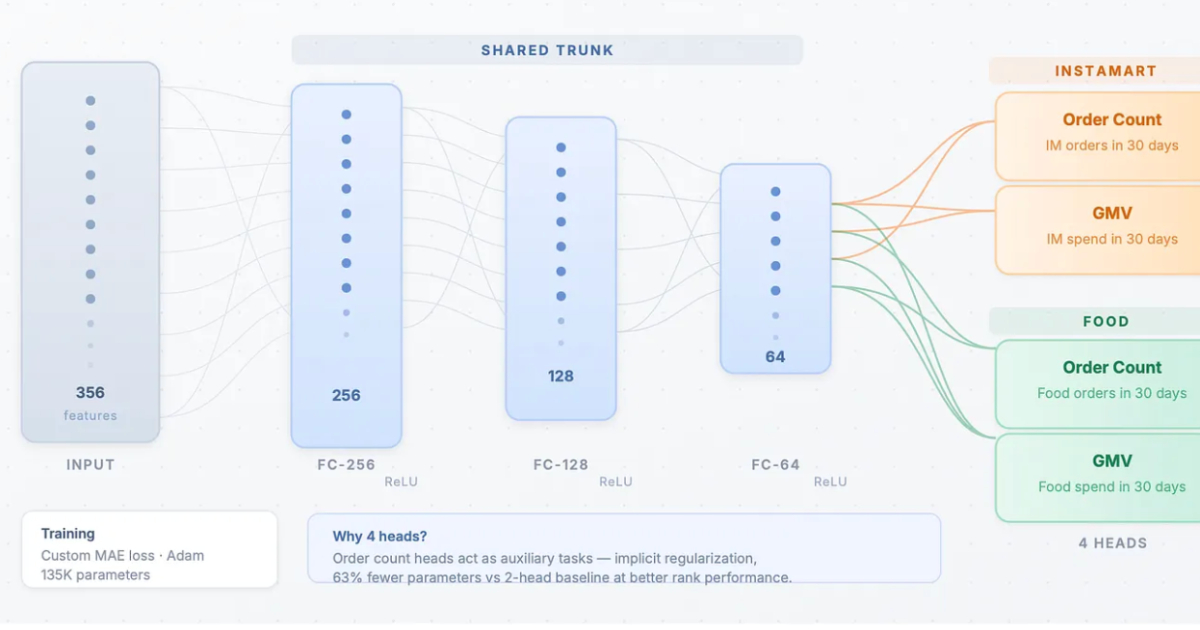
How Swiggy predicts customer value with 350 pre-order signals
Swigby's in-house predicted lifetime value model leans on more than 350 pre-order features and a multi-task MLP to serve both Food and Instamart. Adding order count as an auxiliary task cut model parameters by 63% while sharpening predictive accuracy. That's the kind of practical efficiency we admire. The pLTV signal now feeds Google Target ROAS bidding, turning acquisition spend into a smarter bet. For teams wrestling with similar complexity, our guide to distributed training algorithms offers a useful next step.

Uber's $14.8B Delivery Hero deal reshapes global food delivery landscape
Uber's $14.8 billion all-stock move to acquire Delivery Hero signals a bold bet on scale. The deal would nearly double its global reach, positioning it as a dominant force in food delivery outside China. For a company often associated with ride-hailing, this is a deliberate push into everyday convenience. We see it as a smart, forward-looking consolidation. If you're tracking how AI is reshaping logistics and platform efficiency, our piece on Microsoft open-sourcing TauGrid offers useful context on managing complex workloads.