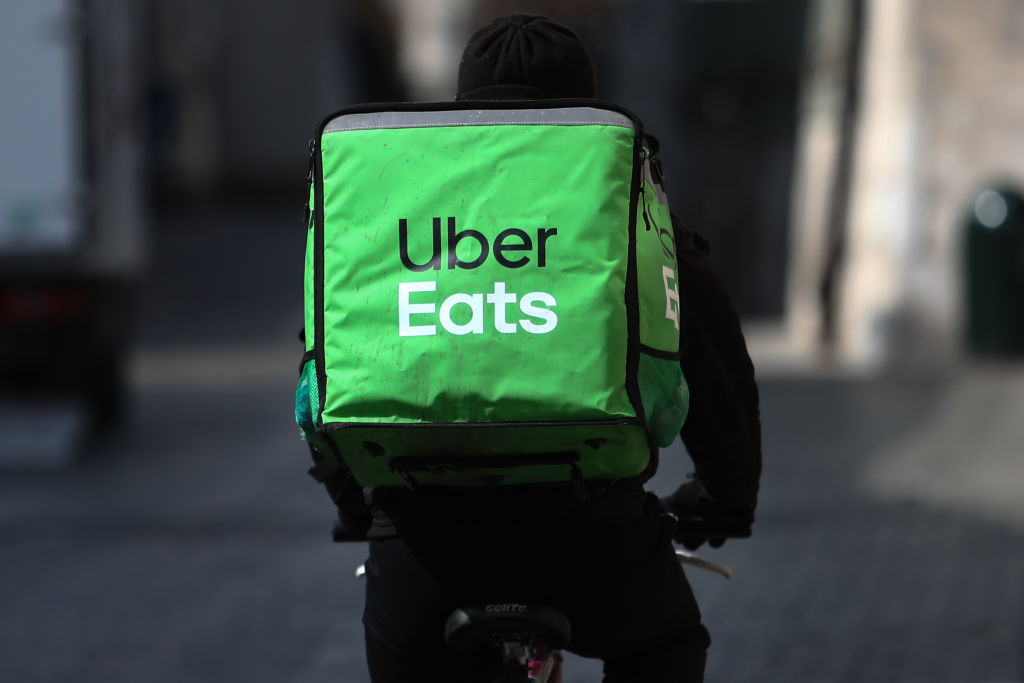
Uber's $2.3 billion bet on corporate catering is a clear signal that the company sees food delivery as more than a consumer convenience, it's an enterprise utility. This move expands Uber Eats into a space where margins are higher, orders are larger, and loyalty is stickier. For our readers who follow how data-intensive platforms scale, this is not just a financial story; it's a systems story. Uber has already shown it can cut search latency in half with a smarter pipeline, and that kind of infrastructure muscle becomes even more critical when you're serving office parks and corporate accounts at scale. The same engineering discipline that keeps 65,000 monthly code changes from breaking the build will be what determines whether this expansion feels seamless or chaotic.
There is a practical lesson here for anyone building or managing data workflows. Uber Eats is essentially applying the same logic that drives good data architecture: reduce friction, increase reliability, and make the system responsive to real-world constraints. Corporate catering introduces new variables, scheduled deliveries, dietary restrictions, approval chains, and receipt reconciliation, that consumer ordering does not. If Uber can handle those complexities without bloating its backend, it will have built a template for how a platform can serve two very different customer types from the same core engine. That is the kind of design thinking that translates directly to how you should think about your own spreadsheets and databases: build for flexibility first, then layer on specialization.
Meanwhile, DoorDash is pushing in the opposite direction with its new AI agent for text-based ordering, aiming to reduce cognitive load for individual consumers. Both strategies are about removing barriers, but they target different friction points. Uber is betting that the biggest friction in food delivery is organizational, how do you get 50 lunches to a conference room on time? DoorDash is betting it's conversational, how do you order without opening an app? Neither approach is wrong, but they demand different data handling. Uber's corporate play will require robust scheduling logic, inventory prediction, and real-time route optimization. DoorDash's AI play will require natural language parsing and intent recognition. Both are hard problems, and both will test whether these companies can execute on their technical promises.
The specific consequence to watch is how Uber manages the data pipeline between its consumer and corporate arms. If the same search and routing infrastructure that powers the consumer app can handle the higher-stakes, higher-volume demands of corporate catering without degradation, that will be a genuine engineering achievement. If it can't, the $2.3 billion will look less like an investment and more like a bet on a broken system. For our readers, the takeaway is this: the companies that win in the next phase of platform expansion will be the ones that treat their data infrastructure as a competitive advantage, not a cost center. Uber's catering play is a test of that principle at a very large scale.