guide
Beyond Market Intelligence keeps guide in one place: 11 stories so far. The section currently leads with “Navigate TechCrunch Disrupt 2026 to build a company built for the AI era”, “Explore How OpenAI's Decisions API Can Reshape Your Data Workflows”, and “Six Architectural Patterns for Scaling Reliable AI Agents”. TechCrunch Disrupt 2026 is built around one question: How do you build an enduring company in the AI era? If you're still treating AI agents like chat bots that occasionally call a function, OpenAI's new Decisions API suggests a more intentional path. Acme AI is the next-generation, AI-powered spreadsheet platform built to replace Excel and redefine how analysts, data scientists, and enterprise teams work… The list below is every guide story on Beyond Market Intelligence, newest first.

Navigate TechCrunch Disrupt 2026 to build a company built for the AI era
TechCrunch Disrupt 2026 is built around one question: How do you build an enduring company in the AI era? Our programming and speaker lineup reflect that focus. This isn't about hype, it's about practical, human-centered innovation. If you're feeling constrained by legacy tools, explore how AI can transform your workflow. For deeper context, check out our piece on "Six Architectural Patterns for Scaling Reliable AI Agents", it shows what production-ready AI actually looks like. Your final chance to save $100 is here.

Explore How OpenAI's Decisions API Can Reshape Your Data Workflows
If you're still treating AI agents like chat bots that occasionally call a function, OpenAI's new Decisions API suggests a more intentional path. This practical guide walks through how a decision-first model lets you define, constrain, and audit every tool call before it executes, turning reactive workflows into deliberate, auditable processes. It's a genuine step toward production reliability. For deeper context on agent stability, our piece on "Six Architectural Patterns for Scaling Reliable AI Agents" pairs well here.
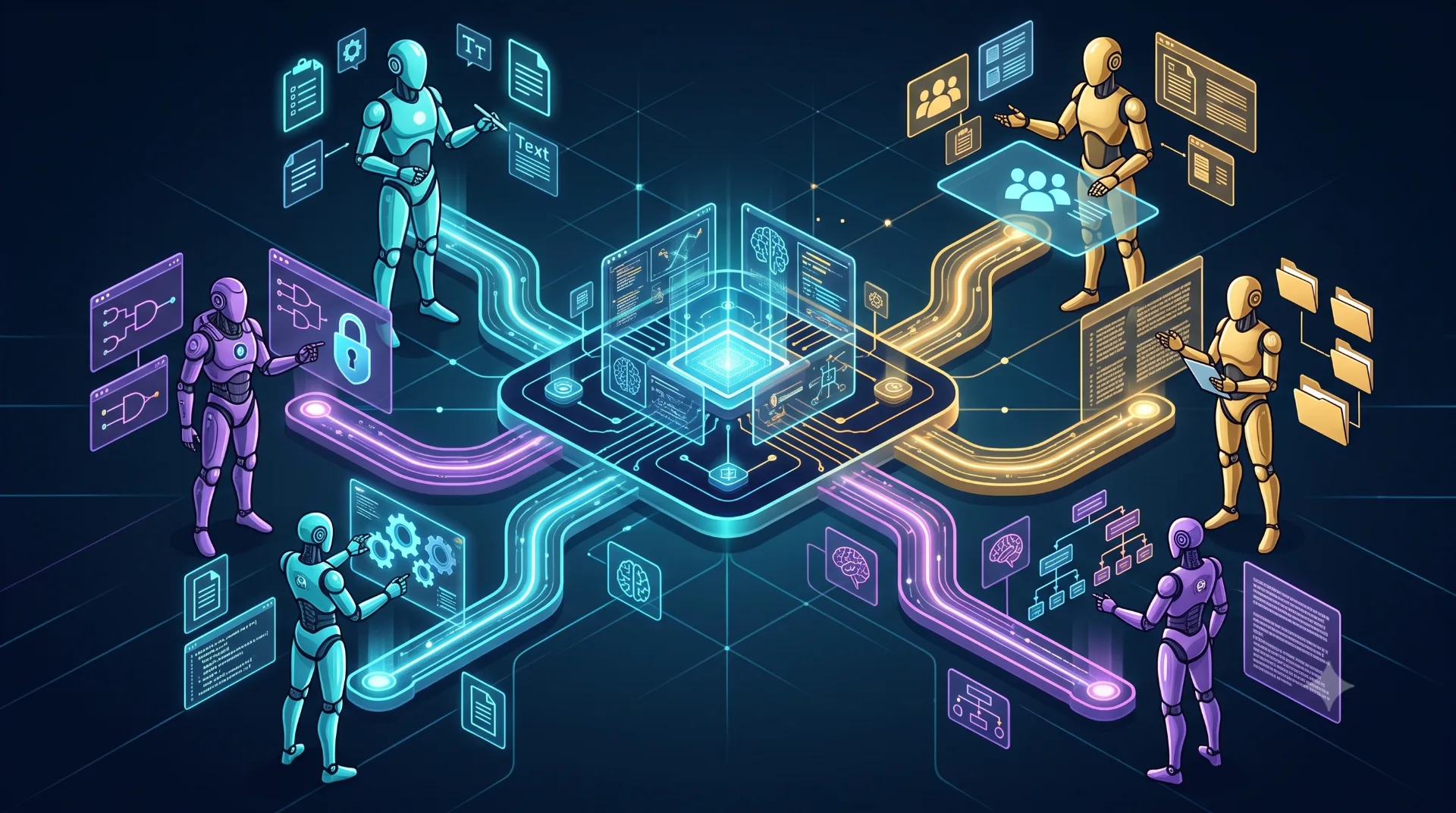
Six Architectural Patterns for Scaling Reliable AI Agents
Reactive loops are fine for demos, but production demands more. This guide walks through six architectural patterns that actually scale, moving beyond basic ReAct into autonomous, reliable systems built for real-world use. It's the kind of practical thinking that turns prototypes into products. For deeper context, our related piece on the hidden instability beneath LLM temperature zero explains why even deterministic settings can fracture after a hundred completions, a problem these architectures are designed to solve.
Build for the AI era: Your guide to Disrupt 2026
Igor Dobrianskyi doesn't see rows of cars on a dealership lot. He sees millions of dollars sitting idle. That's the kind of practical insight that drives the conversation at TechCrunch Disrupt 2026. This year's event is built around one question: How do you build an enduring company in the AI era? Our programming and speaker lineup reflect that focus. Explore deeper coverage on our site, including Dobrianskyi's story, "Turn idle dealer inventory into monthly rental revenue with AI-driven insights."
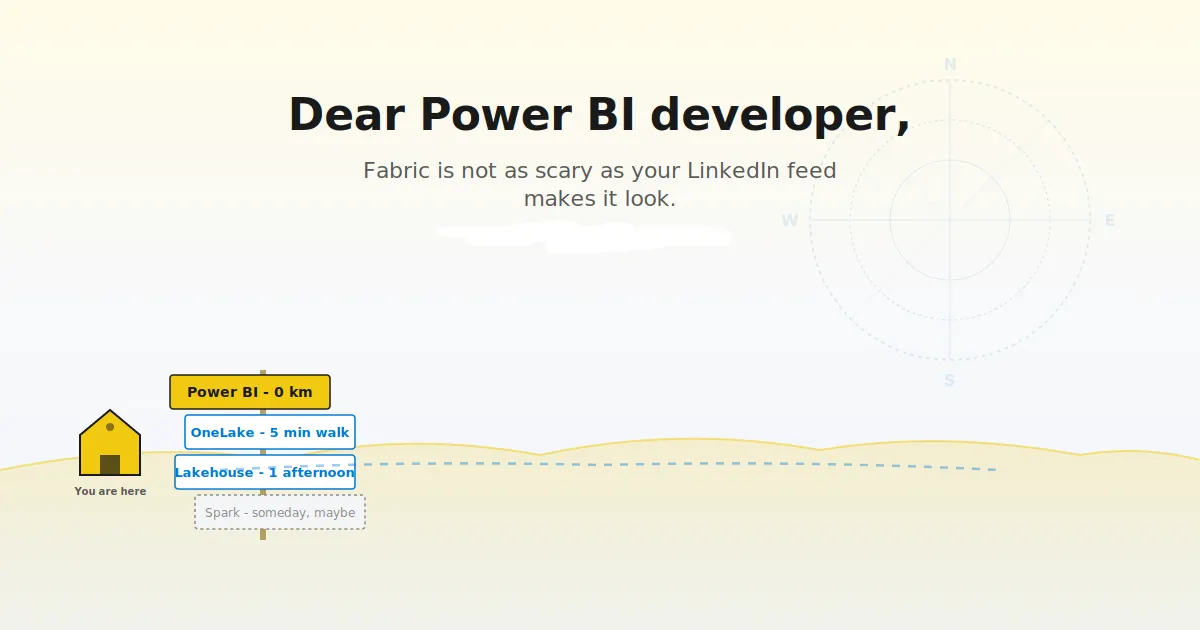
Navigate Microsoft Fabric with confidence and purpose, not panic.
Power BI Premium's retirement isn't a crisis; it's a handoff. For developers, Microsoft Fabric changes the ground rules, but not the core craft. This guide cuts through the noise, separating what truly shifts in your workflow from what stays comfortably familiar. It's a practical starting point for those who'd rather adapt with clarity than react with alarm. For a deeper look at how structured thinking applies elsewhere, explore our piece on how LLMs navigate token space. The takeaway?

Discover how to guide AI agents toward code you can trust
Writing code with AI agents is about more than generating lines faster. It's about steering the output toward quality. This practical guide cuts through the noise, showing you how to work with these tools to get better code, not just more of it. We appreciate the focus on real workflows over hype. For a deeper look at the underlying mechanics, you might also explore our piece, "Unlock LLM Training: A Practical Guide to Distributed Algorithms."

Format Your TDS Draft with Clarity and Confidence
Formatting a draft shouldn't feel like a puzzle. Our updated guide walks you through the Contributor Portal step by step, so you can focus on the ideas that matter. We've stripped away the guesswork, offering clear, practical direction that fits how you actually work. Whether you're revising an old piece or starting fresh, this guide helps you move from raw text to polished submission with less friction. It's about making the process as straightforward as the thinking behind it.

Fine-Tune Large Language Models for Real-World Results
Fine-tuning an LLM often feels like stepping into a black box, but this guide opens it up. It walks you through the entire process, from preparing data to deployment, with a clear focus on practical, real-world application. We appreciate how it cuts through the complexity, giving you a path to follow rather than abstract theory. If you are curious about the broader challenges of training these models, our related piece on distributed algorithms is a useful next step.

Install Claude Code and discover a smarter way to work from your terminal
You have probably heard by now: Claude Code burns through usage limits. Most of us live in the web app, though, distant from the terminal where the real buzz lives. That gap might have sparked your curiosity. Maybe you already know exactly what it is and just want it running. Either way, this guide cuts through the setup friction. It is a practical, no-nonsense walkthrough.
Explore how LanceDB unifies text, images, and documents for smarter AI workflows.
Large language models excel at text, but they stumble when information hides across documents or inside images. That's where LanceDB steps in. This guide breaks down how the vector database stores embeddings and powers similarity search for AI workloads, with a practical Python demo to get you started. It's a clear, accessible look at a tool that simplifies multimodal data handling. For more on how AI handles context, check out our piece on agentic learning.
Solve Data Case Studies with a Clear Framework That Drives Real Business Impact
Data science case study interviews are not about reciting syntax. They test how you think through a problem, analyze data, and explain your reasoning in a way that solves a real business challenge. That's a skill worth building. This guide introduces a simple framework called SCOPE to help you approach almost any case with clarity and confidence. It's practical, not theoretical.