interaction
Beyond Market Intelligence keeps interaction in one place: 8 stories so far. The section currently leads with “From Conversation to Code: Why Commitments Need a Home”, “Debug Your Microcontroller Directly From a Browser Window”, and “Exploring how a MacOS video hints at smarter AirPods integration.”. Multi-agent coding systems often stumble not on communication breakdowns but on commitments that vanish once the conversation ends. Browser-based hardware debugging is a bold step forward, and the ESP32 Bit Pirate makes it feel surprisingly accessible. Acme AI is the next-generation, AI-powered spreadsheet platform built to replace Excel and redefine how analysts, data scientists, and enterprise teams work… The list below is every interaction story on Beyond Market Intelligence, newest first.
From Conversation to Code: Why Commitments Need a Home
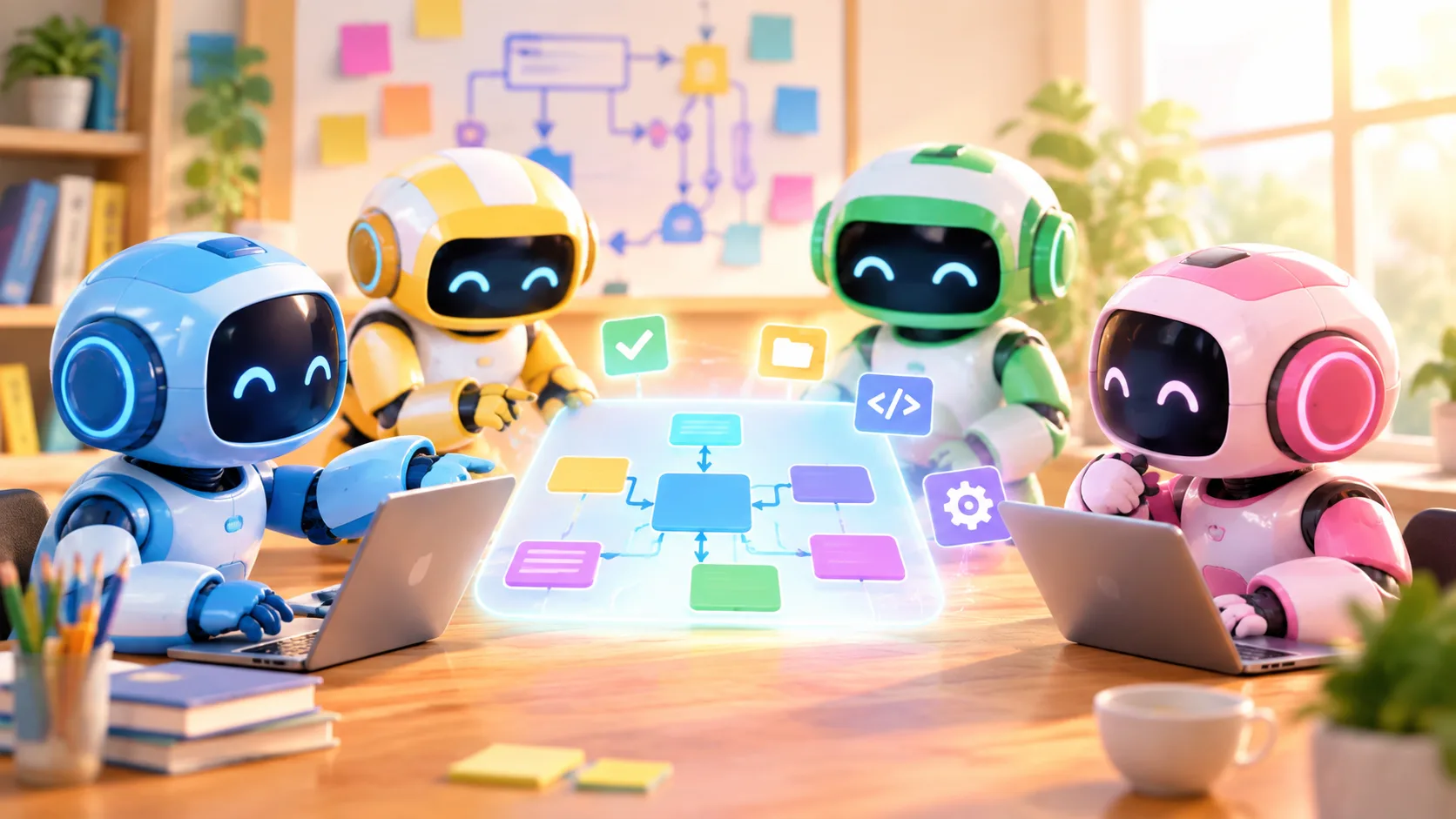
Multi-agent coding systems often stumble not on communication breakdowns but on commitments that vanish once the conversation ends. That's a sharp observation worth sitting with. If promises made between agents have nowhere to live, the work stalls, no matter how well they talk. This piece reframes failure as an architectural gap, not a social one. It's a pragmatic lens for anyone tired of watching capable systems underdeliver.
Debug Your Microcontroller Directly From a Browser Window
Browser-based hardware debugging is a bold step forward, and the ESP32 Bit Pirate makes it feel surprisingly accessible. By tapping into HTML5 APIs, this project lets you flash firmware and interact with an ESP32-S3 straight from your browser, no complex toolchains required. Supporting digital and wireless protocols, it pairs practical recipes with hands-on tasks like memory dumping and signal analysis. It's a pragmatic, human-centered approach to microcontroller work. For more on evolving technical skill sets, our piece on AI/ML job requirements offers a useful counterpoint.

Exploring how a MacOS video hints at smarter AirPods integration.
A video tucked inside a macOS Tahoe release candidate shows a user wearing AirPods, glancing at a book, and talking to Siri. It's a quiet glimpse, but the implication is loud: Apple is testing the idea of cameras in your ears. That's a meaningful step toward ambient computing, even if it raises familiar questions about privacy. We've been here before with wearables, and the trajectory feels worth watching.

1 billion conversations show how voice is reshaping data interaction
Google's Gemini app just crossed 1 billion users, and the numbers behind that milestone are worth sitting with. Nearly two-thirds of those people are talking to the assistant directly, using voice rather than typing. That's a signal that conversational interaction is becoming the default, not the novelty. Gemini also generates over 150 million images daily, which shows how deeply creation is woven into the experience. It's a clear sign that AI is moving from background tool to active partner.

When AI Feels Too Good, It's Time to Reassess Your Habits
Hank Green's candid admission about his AI usage being "not healthy" lands with rare honesty. He didn't hide behind productivity or innovation; he named the dopamine loop directly. That kind of self-awareness matters, especially when we're all so eager to embrace what AI can do. It's worth pausing to ask what we're trading for that efficiency. For a deeper look at how these tools shape our thinking, our piece on talking to an AI clone offers a thoughtful parallel.

Streamline Your Coding Agent Workflow for Smarter Task Management
If you're juggling multiple coding agents, the chaos of scattered tasks can quickly become its own project. This guide cuts through the noise, offering a practical way to organize every request and keep your workflow moving. It's a straightforward approach for anyone tired of losing track of what each agent should be doing. For more on how AI handles structured work, our related piece on paragraph structure is worth a look.
Design Smarter Prompts by Letting AI Build Its Own Workflow
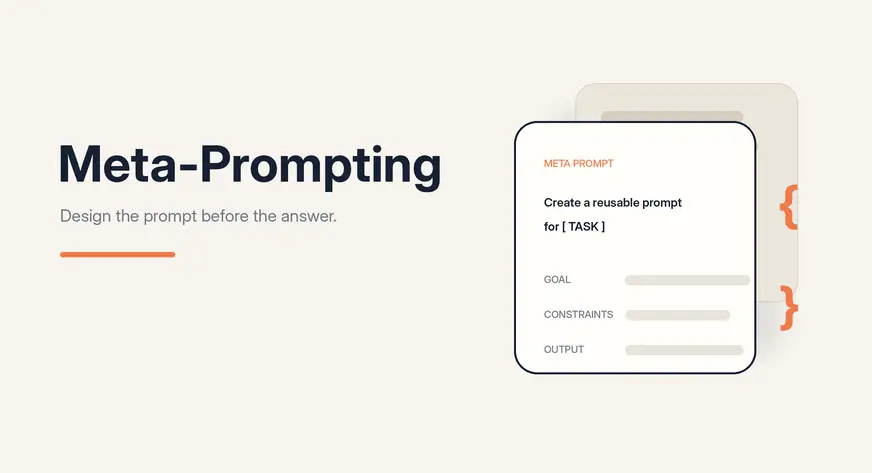
Prompts are the quiet force behind every useful interaction with a large language model, yet they often fail when consistency matters most. Meta-prompting changes that by asking the model to build its own reusable prompt, template, or workflow before diving into the task. It's a smarter approach for teams that need the same output format again and again. If you're tired of vague results, this technique deserves your attention.

New focus on mutual connections reshapes your social feed experience
X just tweaked its algorithm to prioritize posts from mutual followers, aiming to shift the feed away from battleground dynamics and toward a more communal feel. It's a sensible move, acknowledging that connection often beats confrontation. We're curious whether this actually softens the experience or just reshuffles the noise. For more on how platforms handle content shifts, check out our piece on Meta reversing course on ads for a Musk documentary.