JavaScript
JavaScript at Beyond Market Intelligence is a file of 17 stories. The newest of them: “Watch an AI learn Clash Royale defense in a live browser demo”, “Streamline Your Monorepo: Changesets v3 Simplifies Releases and Reduces Size”, and “Jotai 3.0 Streamlines State Management with a Leaner, Modern Core”. Watching a policy learn is different from reading about it. Monorepo maintenance just got lighter. Acme AI is the next-generation, AI-powered spreadsheet platform built to replace Excel and redefine how analysts, data scientists, and enterprise teams work… The list below is every JavaScript story on Beyond Market Intelligence, newest first.
Watch an AI learn Clash Royale defense in a live browser demo
Watching a policy learn is different from reading about it. This live browser demo makes that visible: a 5,629-parameter agent trains with REINFORCE in plain JavaScript, while every rollout runs through the C++ engine compiled to WebAssembly. The chart shows the brute-forced optimum, so the gap between learned behavior and best answer is always in view. One honest detail stands out: Giant vs Cannon traps most runs in a lane placement worth 75% of optimal.

Streamline Your Monorepo: Changesets v3 Simplifies Releases and Reduces Size
Monorepo maintenance just got lighter. Changesets v3.0, released August 11, 2026, slims down installations and rebuilds its CLI to tackle the versioning and changelog friction that has long frustrated JavaScript teams. The shift in peer dependency management directly answers recurring complaints, though upgrading does require some configuration updates. It's a focused move toward simpler contributor workflows, not a flashy overhaul. For more on how modern tooling is reshaping developer experience, our piece on Alibaba's OpenCodeReview for AI-assisted code review offers a complementary look.

Jotai 3.0 Streamlines State Management with a Leaner, Modern Core
Jotai 3.0 arrives as a leaner, ESM-only package, and that's a move we respect. By dropping legacy builds and deprecated APIs, the team signals a clear commitment to modern React workflows without forcing users into a painful migration. The backward compatibility keeps the transition practical, while the deferred feature work shows patience over hype. It's a focused release that prioritizes stability. For those tracking how teams modernize infrastructure, Cloudflare's EmDash migration offers a parallel story worth exploring.
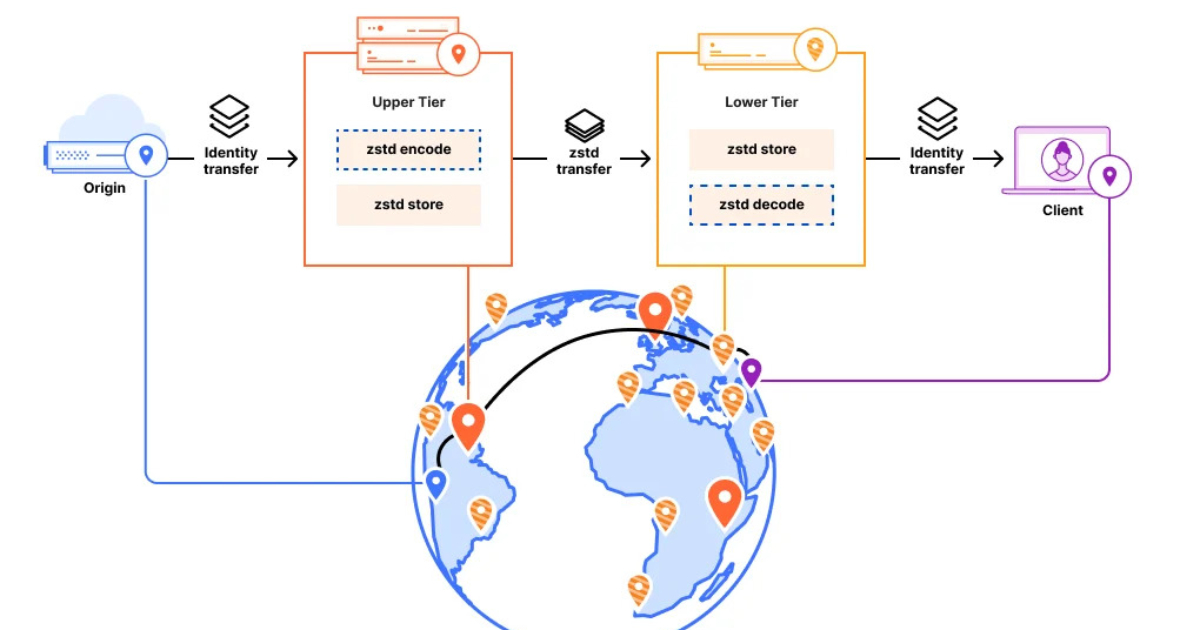
Transforming Cache Storage with Smarter Compression for Greater Capacity
Cloudflare's prototype Cache Transcoding takes a straightforward, promising step: compress uncompressed text like HTML and JSON with Zstandard before it hits disk. The potential is real, with petabytes of extra effective capacity on the table, though broader testing remains the next hurdle. It's a pragmatic move that quietly rethinks storage efficiency, and that kind of focus matters. For more on how Cloudflare pushes performance through data innovation, our piece on its Big Pineapple DNS cache redesign offers a useful parallel.

From npm's creators, a secure drop-in replacement that transforms how you manage dependencies.
The original npm team has shipped vlt 1.0, a drop-in replacement that doesn't just swap in quietly. It brings phased installs to stop automatic script execution, a queryable dependency graph with over 60 selectors, and hosted registries that block malicious packages. That's a direct answer to the kind of supply-chain risk we've seen escalate elsewhere. For developers feeling the weight of complex tooling, this is a practical step toward a safer, more transparent workflow. It's worth exploring.

jQuery's Legacy Shows How Accessible Tools Empower Web Innovation
When jQuery arrived in 2006, it handed developers a bridge across the browser wars. John Resig's library made HTML manipulation, events, and Ajax approachable when the web felt fragmented. It didn't just solve problems; it invited a generation to build without fear. Its decline alongside modern frameworks isn't a failure, but a legacy. Most of the web still runs on its shoulders. That staying power matters. For more on how legacy tools shape today's skill demands, explore our related piece on navigating AI/ML job requirements.

Bring AI Workloads Home with Browser-Native Performance and Privacy
The cloud isn't the only place for serious AI workloads. In this presentation, James Hall makes a compelling case for moving real work directly into the browser. He walks through practical strategies using WebGPU, Transformers.js, and DuckDB to achieve near-native performance without leaving JavaScript behind. What stands out is his focus on minimizing data privacy risks and building solid evaluation suites. For anyone feeling stuck in centralized workflows, this is a practical look at reclaiming control.

Nuxt 4.5 streamlines SSR with faster HTML flushing and a refined builder experience
Nuxt 4.5 is here, and the headline is experimental SSR streaming that flushes the HTML shell instantly, giving Time to First Byte a meaningful nudge. That's a practical win for perceived performance. The move to Vite 8 and a new Rspack 2 builder signals a clear commitment to faster, more flexible tooling. A stable error code system and fresh composables round out the release. For teams eyeing faster load times, this is worth exploring.
Explore SMIL animation for SVG without JavaScript and inside img tags
Timing Charts offers a clear, practical blueprint for mastering SMIL, the often-overlooked method for animating SVGs directly inside `<video>` tags. It's refreshing to see a guide that proves you can fully animate every element of an SVG without a single line of JavaScript. For anyone tired of complex scripting, this is an accessible path forward. We've touched on simplifying tech workflows elsewhere, like in our piece on vector spaces, so this feels like a natural next step.

Next.js 16.3 makes development faster with smarter memory and instant navigation
Next.js 16.3 cuts development memory usage by up to 90% and speeds up builds, which is exactly the kind of relief developers have been waiting for. Vercel's Instant Navigations deliver client-like speed without sacrificing the server-rendered architecture that keeps things solid. That balance matters. We appreciate the honest note about gradual adoption, since new power always comes with caveats. For teams juggling AI workflows, pairing this with our look at scaling AWS deployments through the Stateless Model Context Protocol could round out your optimization playbook.
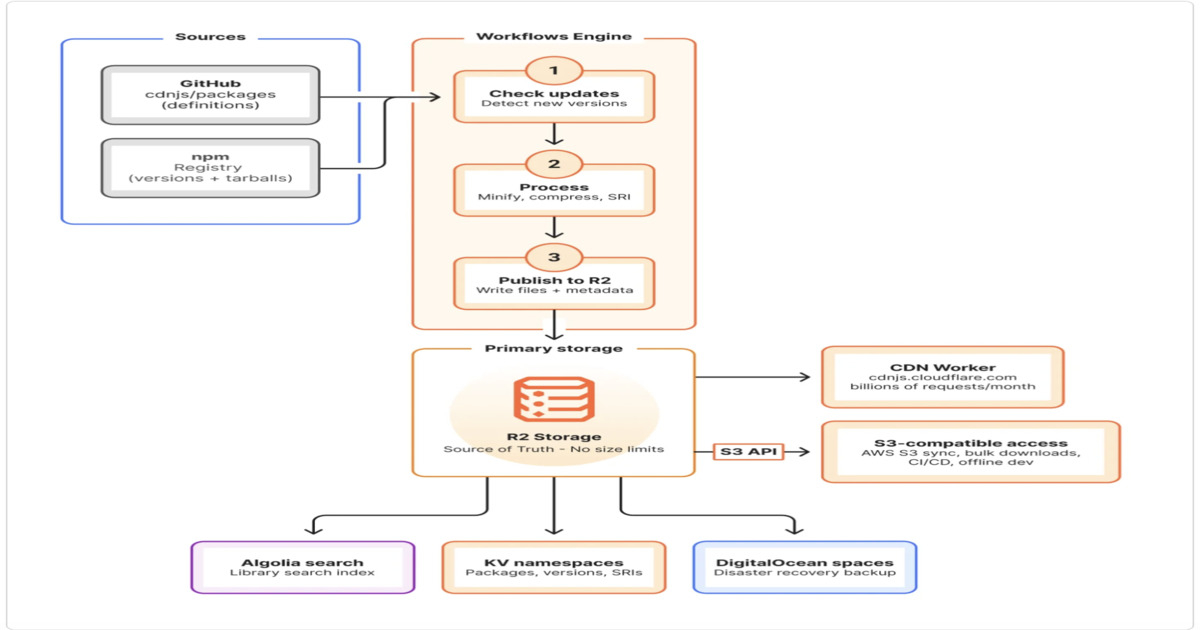
Cloudflare moves 9 billion daily CDN requests to its developer platform
Cloudflare has moved cdnjs, its open source CDN for JavaScript and CSS libraries, onto its Developer Platform, and the scale is striking: 9 billion requests a day now run on Workers, R2, KV, Workflows, Queues, Durable Objects, and Containers. That's not just a hosting swap; it's a consolidation of publishing and delivery into one architecture, all while keeping URLs and SRI hashes intact. For teams wrestling with legacy tools, this shows what's possible when infrastructure steps forward. Curious about similar migration thinking?
Astro 7 delivers faster builds with native Rust tooling and smarter processing.
Astro 7 is built for speed, and the numbers show it: builds up to 61% faster thanks to a rewritten Rust compiler and native tooling. Markdown processing gets a significant boost, while stricter HTML rules keep output clean. It's a thoughtful push for content-driven sites that want less JavaScript overhead. We've seen this pattern before with Perplexity's CobbleDB migration, and the focus on performance over flash feels right. If you're wrestling with slow builds, this is worth exploring.

Trim Your JavaScript by Trusting What the Browser Already Offers
The gap between "you need a library for this" and "the browser does this" keeps closing, yet many of us still ship heavy dependencies out of habit. Baseline offers a practical path forward: audit what you already have, then test what the web platform now handles natively. It's a focused way to lighten your bundles without sacrificing functionality. If you're managing complex repos, our guide to keeping data science notebooks runnable pairs well with this mindset, helping you sustain momentum across projects.

The browser is the new frontline. Why security hasn't caught up.
The browser has become the enterprise's central operating environment, yet most security architecture still guards the device instead of the session where work, and attacks, actually happen. That gap is growing urgent as AI-assisted hacking accelerates. CloudMosa's Shioupyn Shen argues for a fundamental shift: isolate execution in the cloud, keeping risky code away from endpoints entirely. It's a bet on prevention over detection, and one worth exploring. For more on how AI reshapes foundational tech, see our piece on how LLMs navigate token space.

TanStack Table V9 Beta Lets You Load Only What You Need
TanStack Table V9 Beta lands with a clear message: stop hauling around code you never use. The opt-in feature model is a smart response to a common pain point, letting developers load only what their project demands. That, paired with sharper state management and lower memory usage, makes this a practical step forward for headless tables. Migration is gradual, and legacy support is built in, which respects your existing work. It's a focused, developer-first release worth exploring.

React Compiler Moves to Rust for Faster Builds and Smoother Upgrades
Meta has moved the React Compiler into its main repository as a Rust port, and the payoff is hard to ignore: up to 50% faster compilation without touching the public API. That's a practical win for developers who want speed without relearning their tooling. The memoization happens automatically, which is the kind of quiet efficiency that adds up. It's a smart, grounded step toward tighter Rust-based integration.

When Blocking the Main Thread Becomes the Right Call
Conventional wisdom says never block the main thread, but Victor Ayomipo found a case where that rule deserved a second look. Working on a screenshot extension, he hit a scenario where pausing the thread was the practical call, not a failure of engineering. It's a refreshing counterpoint to the usual absolutism. Rules like that exist for good reason, but they're starting points, not laws. For a deeper take on handling complexity, check out "Evolve Your Recommendations: Real-World Insights on Adaptive Systems.