libraries
7 stories filed under libraries on Beyond Market Intelligence. The newest of them: “From demo to production: build Python AI libraries that deliver”, “Discover How Neovim's vim.async Simplifies Async Plugin Development”, and “Explore how an open-source framework transforms resource scheduling.”. Building a Python AI library that works in a demo is one thing. Neovim's new `vim.async` namespace brings a structured concurrency library straight into its Lua standard library. Acme AI is the next-generation, AI-powered spreadsheet platform built to replace Excel and redefine how analysts, data scientists, and enterprise teams work… The list below is every libraries story on Beyond Market Intelligence, newest first.
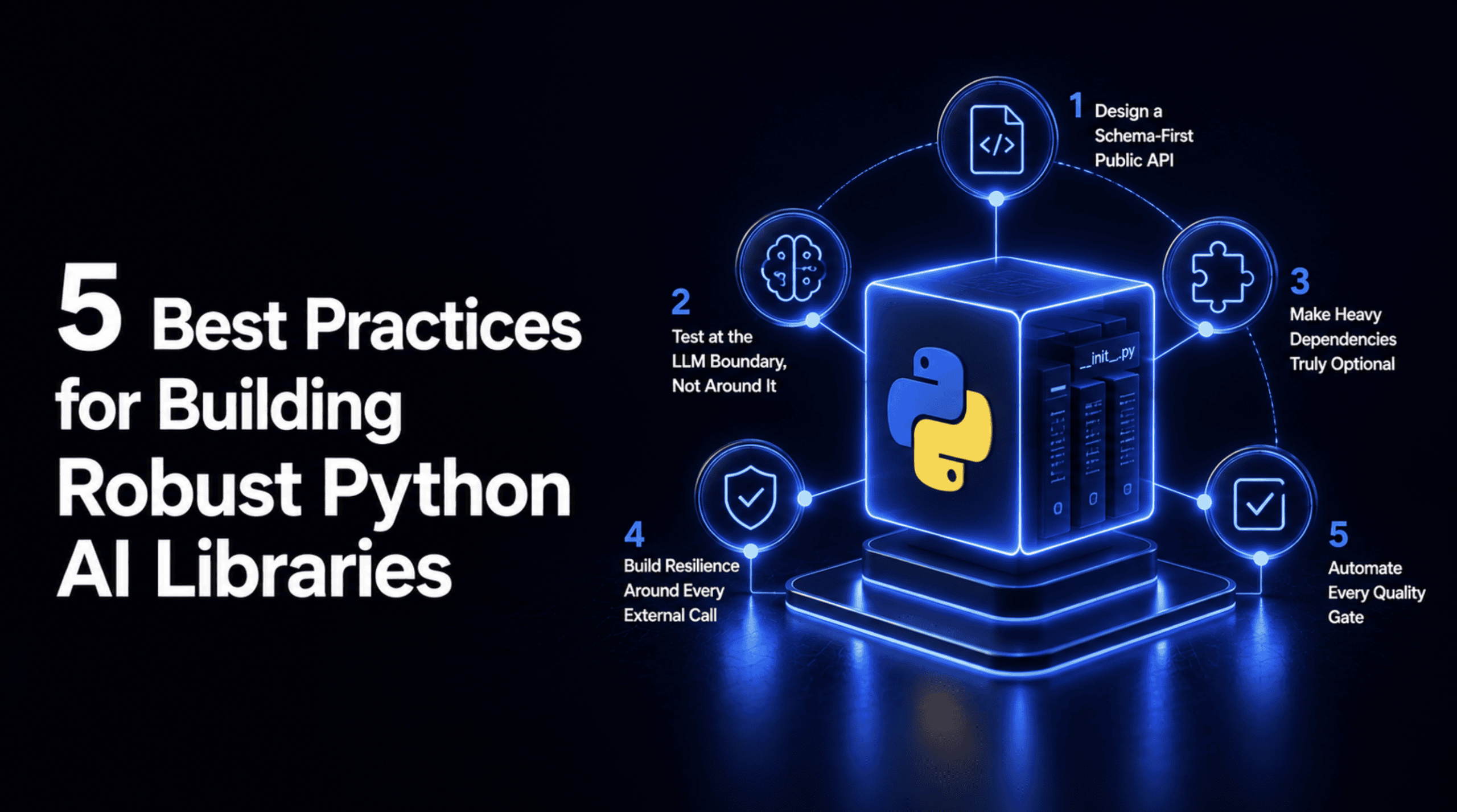
From demo to production: build Python AI libraries that deliver
Building a Python AI library that works in a demo is one thing. Making it survive production is another. This guide cuts through the noise, covering the best practices that separate a polished SDK from a prototype. It's about writing code that delivers real outcomes, not just clever demos. For more on how AI transforms workflows, see our coverage of "Discover how Dots by OpenAI transforms chaotic meetings into clear actions."

Discover How Neovim's vim.async Simplifies Async Plugin Development
Neovim's new `vim.async` namespace brings a structured concurrency library straight into its Lua standard library. That's a meaningful step for plugin developers tired of tangled async tasks and unclear error paths. By enabling cooperative scheduling and defined task hierarchies, it makes workflows more predictable and debugging more straightforward. This isn't about flashy features; it's about stability where it counts. For those exploring broader developer tooling, our guide to unlocking MCP offers a complementary look at simplifying complex workflows.
Explore how an open-source framework transforms resource scheduling.
Dirk Lemmerman has made FlexGanttFX open source, and that's a meaningful move for anyone building scheduling tools. The JavaFX framework, released under the AGPL license, relies on Canvas rendering to keep performance sharp even when Gantt charts grow complex. Task dependencies and direct editing are built in, so project planning feels less rigid. It's a practical resource for industries that need tailored timelines. If you're curious about how similar frameworks handle unexpected data patterns, our piece on the Forrester function offers a useful parallel.
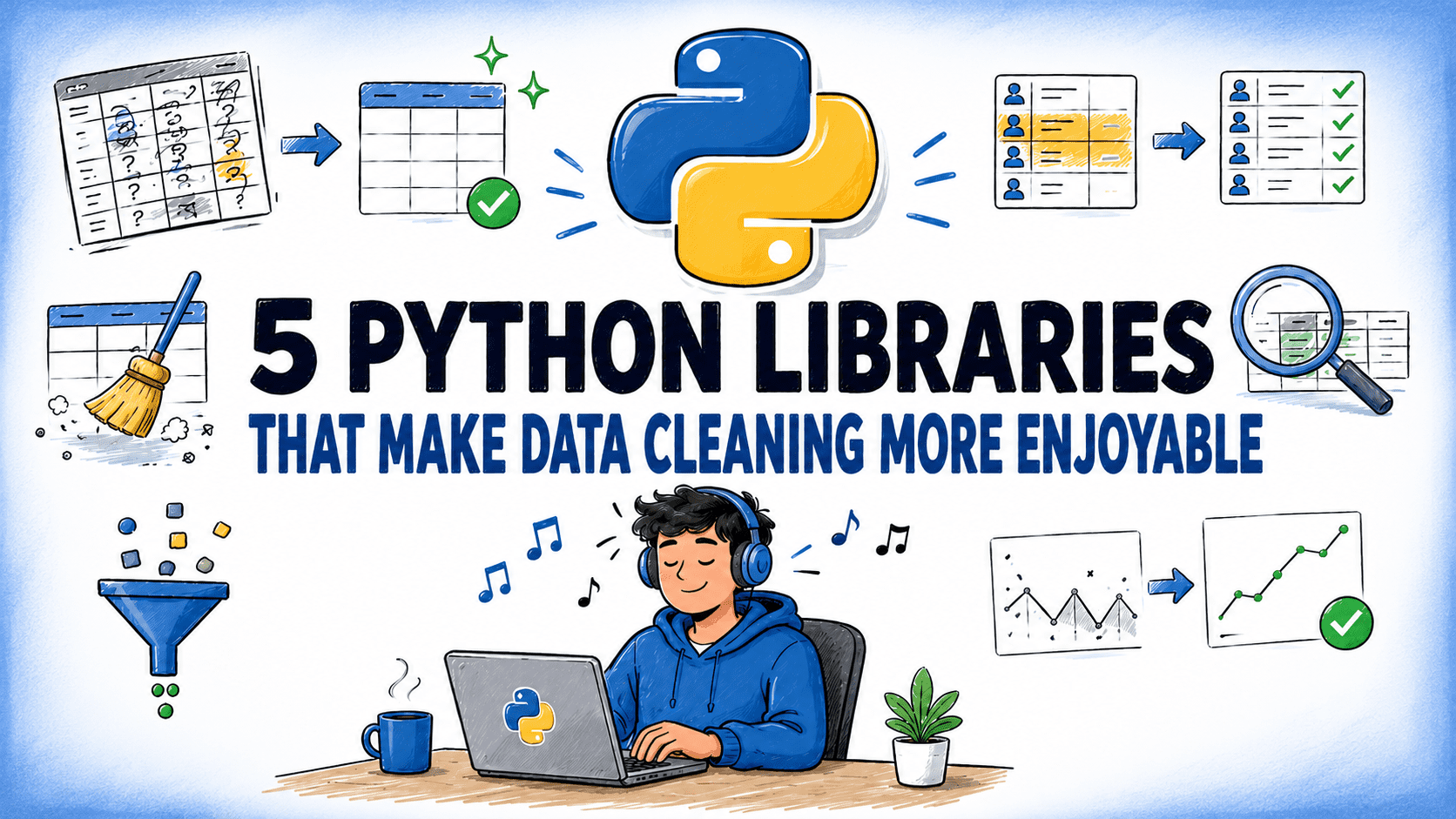
Explore Python Tools That Make Data Cleaning Feel Expressive
Cleaning data is often the least loved part of the job, but it doesn't have to be a grind. This guide highlights five Python libraries that turn tedious tidying into something expressive and even enjoyable. Each tool is chosen for its ability to simplify complex tasks while keeping you in control. If you're ready to make your workflow feel less like a chore and more like a craft, these libraries are worth exploring.
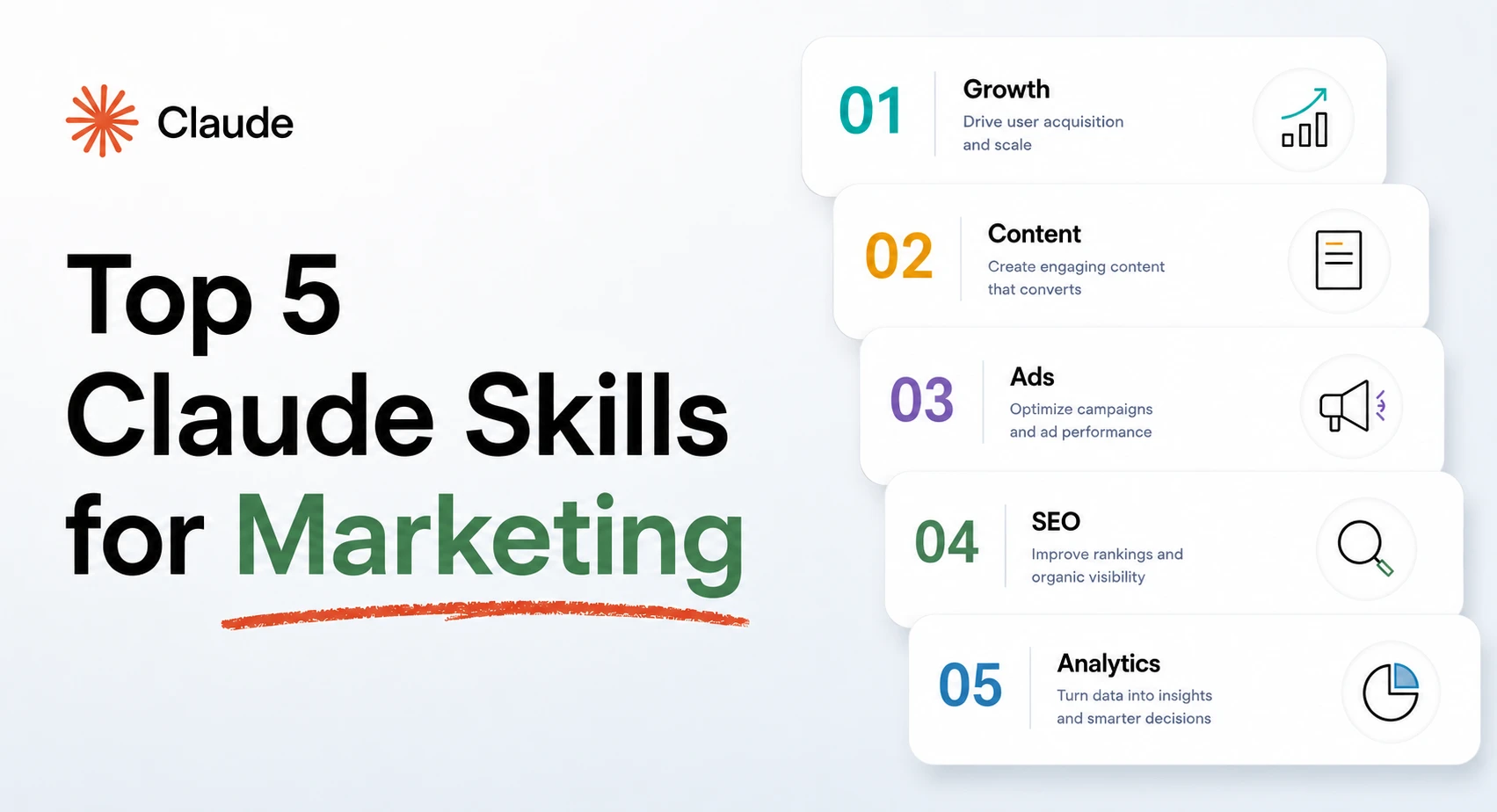
From Prompt to Process: Building a Cohesive AI Marketing Workflow
Most marketing teams use Claude to draft an ad or email from a prompt. That works, but it's hardly a system. The real work still involves research, positioning, channel planning, and reporting. This guide cuts through the noise to highlight five Claude skills that address those missing pieces. It's a practical, honest look at moving from one-off tasks to a repeatable workflow. For a deeper dive into AI's limits, check out "Talking to My AI Clone Taught Me to Question the Tech."

How an open ecosystem made advanced AI more accessible
A single open-source ecosystem quietly became the backbone of modern AI, turning what once felt like a specialist's game into something any curious developer can explore. It's not about hype; it's about access. This post breaks down how that Python foundation made state-of-the-art tools feel approachable, and why that shift matters for how we build. If you're weighing what this means for your own workflow, you might also appreciate "Talking to My AI Clone Taught Me to Question the Tech," which offers a grounded counterpoint.

Librarians help users reclaim focus from AI with practical workshops
The demand for "Avoiding AI" workshops is surging, and librarians are meeting it head-on. These sessions, hosted at libraries nationwide, give people who are fed up with Big Tech a practical space to push back. We see this as a healthy sign of users thinking critically about their tools. It is not about rejecting progress; it is about choosing it on your terms.