Local AI
Local AI at Beyond Market Intelligence is a file of 6 stories. The newest of them: “Local AI puts your data insights in your hands, not the cloud.”, “Bring AI Workloads Home with Browser-Native Performance and Privacy”, and “Build Your Local AI Stack with Purpose, Not Hype”. Apple's new Mac line bets that local AI is the future, and it's a wager worth watching. The cloud isn't the only place for serious AI workloads. Acme AI is the next-generation, AI-powered spreadsheet platform built to replace Excel and redefine how analysts, data scientists, and enterprise teams work… The list below is every Local AI story on Beyond Market Intelligence, newest first.
Local AI puts your data insights in your hands, not the cloud.
Apple's new Mac line bets that local AI is the future, and it's a wager worth watching. By building intelligence directly into the hardware, Apple asks a pointed question: would you rather own your AI or rent it from the cloud? For us, ownership wins. It's a decisive step toward practical, private, and responsive computing. This isn't about hype; it's about control. If you're curious how AI models handle complexity, our piece on paragraph structure and token space offers a useful lens. Explore that next.

Bring AI Workloads Home with Browser-Native Performance and Privacy
The cloud isn't the only place for serious AI workloads. In this presentation, James Hall makes a compelling case for moving real work directly into the browser. He walks through practical strategies using WebGPU, Transformers.js, and DuckDB to achieve near-native performance without leaving JavaScript behind. What stands out is his focus on minimizing data privacy risks and building solid evaluation suites. For anyone feeling stuck in centralized workflows, this is a practical look at reclaiming control.
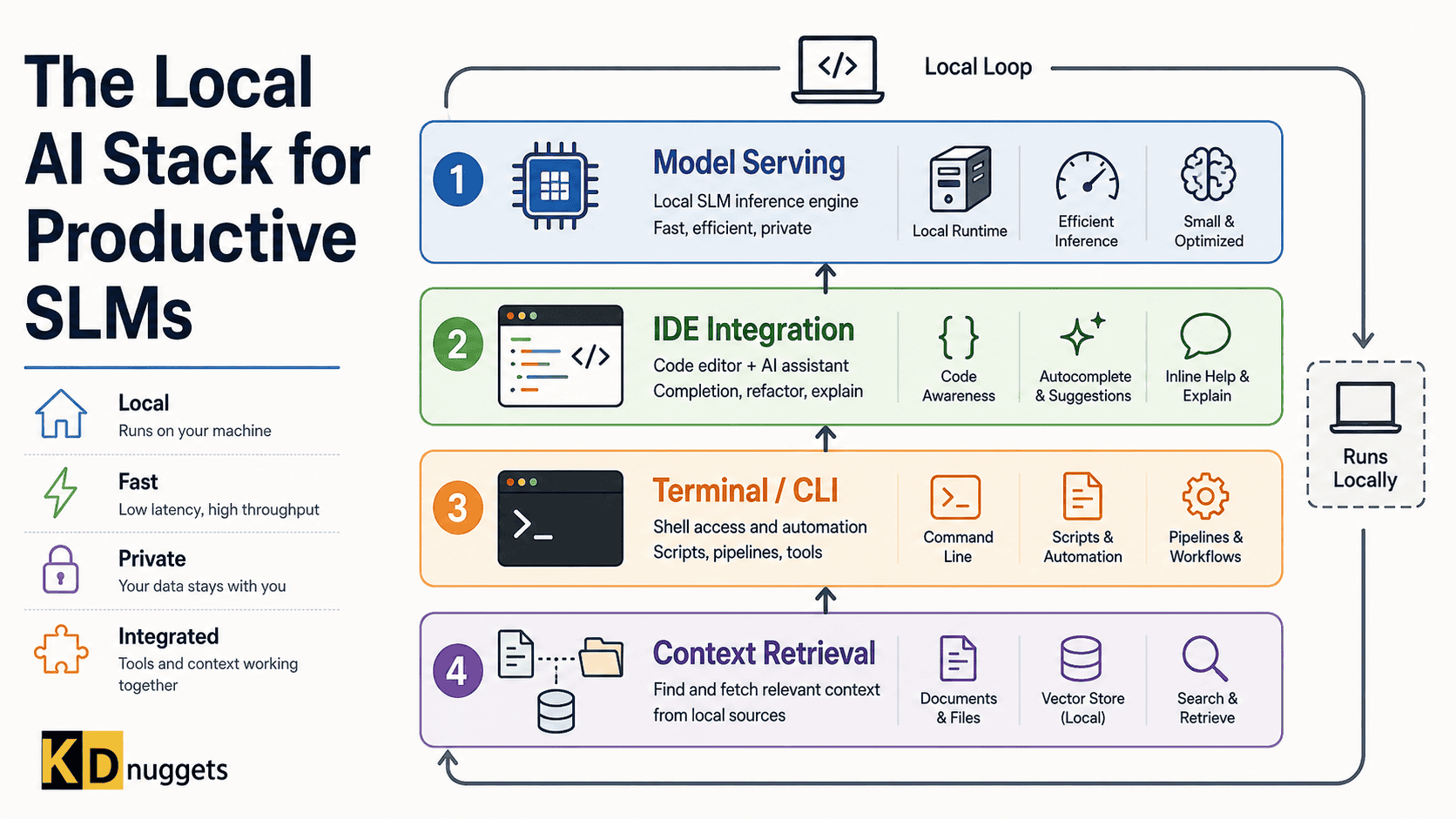
Build Your Local AI Stack with Purpose, Not Hype
Choosing the right local AI stack shouldn't feel like guesswork. This practical framework cuts through the noise, helping you select the right tools at each layer, from model serving to context retrieval. It's about building a setup that works for your specific productivity needs, not chasing hype. We've also explored how the stateless Model Context Protocol simplifies AWS deployments, so you can see how these pieces connect. Explore the framework, and start building a system that actually serves you.

Perplexity brings its AI agent home, running locally on Nvidia hardware you own
Perplexity is taking its agentic platform off the cloud and onto your desk, and the move feels less like a stunt and more like a quiet turning point. Portable Computer, built with Nvidia, runs entirely on hardware you already own, starting with the DGX Spark and RTX-equipped Linux machines. The pitch is refreshingly direct: your files, your models, and your work stay local, and the credit counter stays parked at zero.
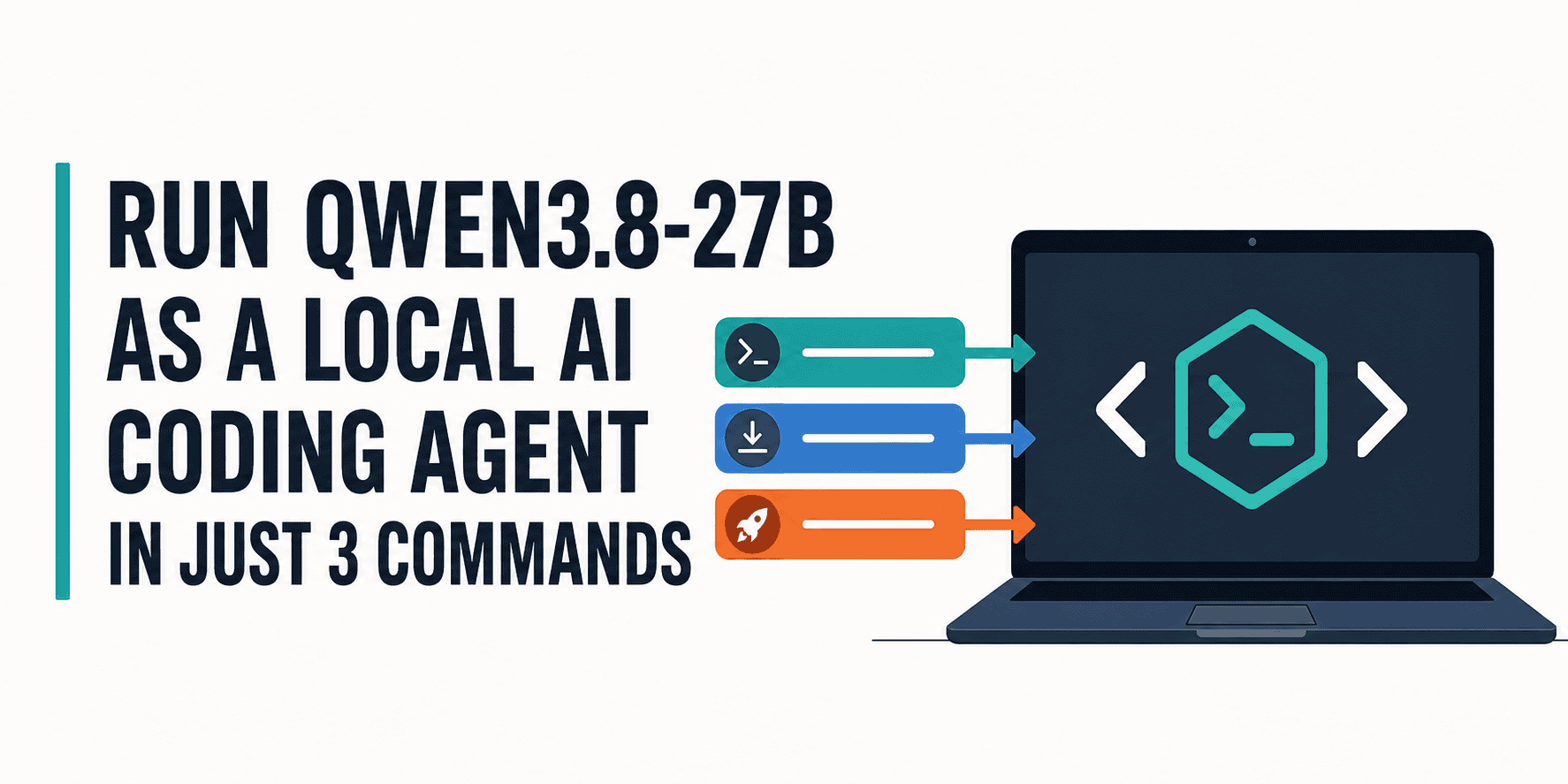
Transform Your Local Coding Workflow with Three Simple Commands
Three commands. That's all it takes to run Qwen3.8-27B as a local AI coding agent, and for anyone tired of juggling cloud dependencies, that simplicity is the point. Download Ollama, pull the model, serve it, then launch with OpenCode. No complex setup, no vague promises, just a workflow that gets you coding faster. It's the kind of practical, no-fuss innovation we like to see.
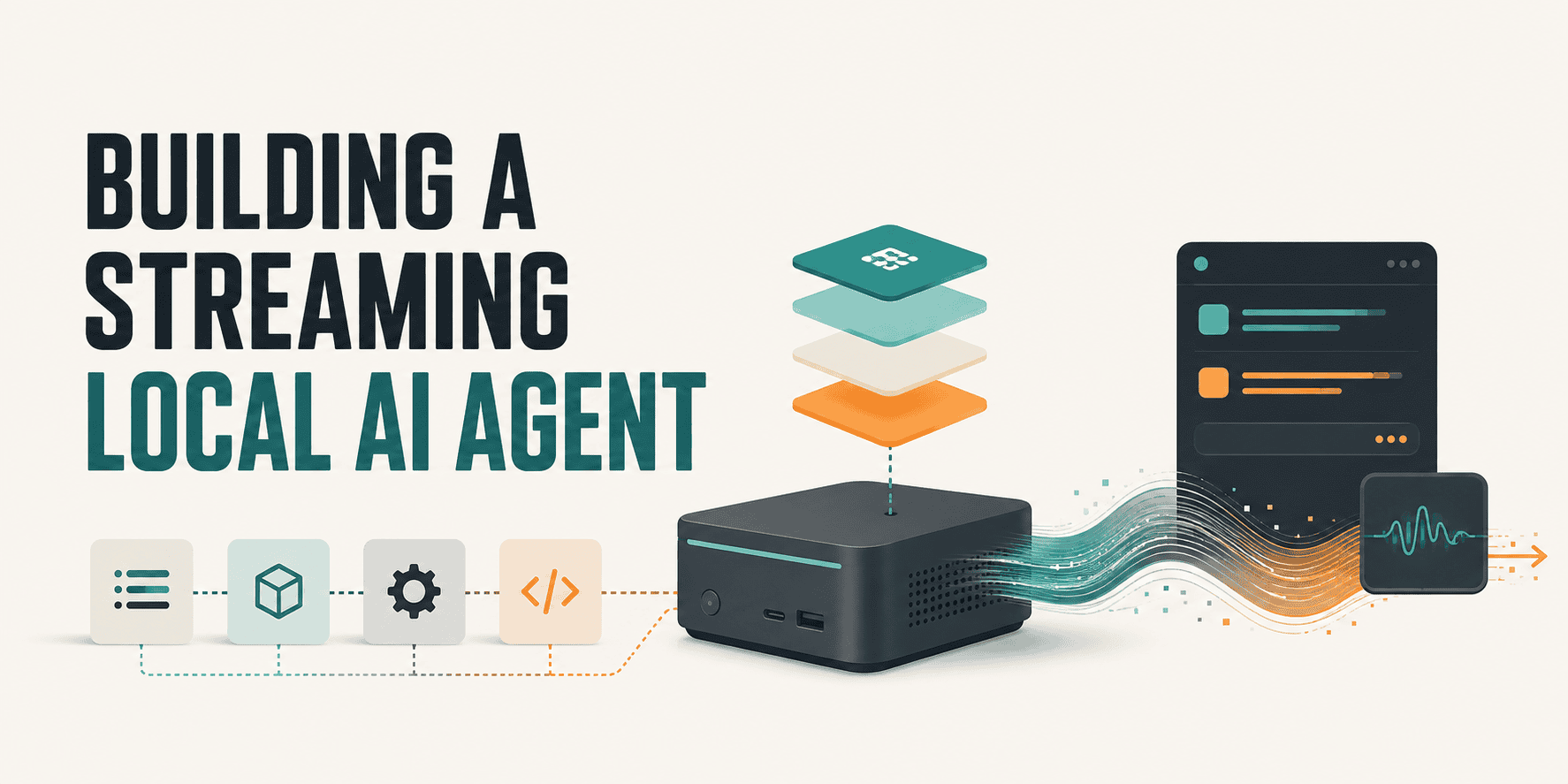
Understand the two meanings of streaming in AI agents today
"Streaming" gets thrown around in two very different ways when people discuss AI agents, and that confusion slows everyone down. This piece cuts through the noise, clarifying the two distinct meanings so you can build with confidence. If you are juggling agent architectures, this is a useful checkpoint. For a deeper look at how agents coordinate, our coverage of Google's open-sourced AX orchestrator pairs well with the ideas here. It is a practical read for anyone moving from theory to real-world implementation.