loops
Beyond Market Intelligence keeps loops in one place: 4 stories so far. The section currently leads with “Ground LLMs in Code: Reliable DSL Generation with Typed Languages”, “Beyond Prompts and Loops: How Graph Engineering Shapes Smarter AI”, and “Discover how tiny AI models generate precise drawing programs for constrained hardware.”. LLMs don't just struggle with code; they confidently invent syntax that looks right. The debate over loops versus graphs in AI agent design isn't just technical sparring; it's a signal of how far we've come. Acme AI is the next-generation, AI-powered spreadsheet platform built to replace Excel and redefine how analysts, data scientists, and enterprise teams work… The list below is every loops story on Beyond Market Intelligence, newest first.

Ground LLMs in Code: Reliable DSL Generation with Typed Languages
LLMs don't just struggle with code; they confidently invent syntax that looks right. Irakli Betchvaia tackles this head-on with Typed Domain Grounding, embedding DSLs inside mainstream typed languages so compilers catch errors before they reach users. His kUML benchmarks and infrastructure-as-code examples show a generate-compile-repair loop that turns unreliable output into validated artifacts. It's a pragmatic, human-centered fix that prioritizes trust over flash. For more on how LLMs structure their output, explore our earlier piece on paragraph structure.

Beyond Prompts and Loops: How Graph Engineering Shapes Smarter AI
The debate over loops versus graphs in AI agent design isn't just technical sparring; it's a signal of how far we've come. Graph engineering moves beyond the linear constraints of prompts and loops, offering a structured way to build workflows that adapt and scale. It's a practical evolution, not a buzzword. For those still wrestling with token-level nuances, our piece on paragraph structure offers a useful parallel. This shift matters because it redefines what we can build, and we're just beginning to explore its potential.

Discover how tiny AI models generate precise drawing programs for constrained hardware.
An 825k-parameter model generating executable drawing bytecode for an RP2040 is a compelling challenge to the assumption that bigger is always better. The execution side is rock solid, with every trace matching the reference VM exactly and the interpreter running in under 2KB of flash. That's not just clever; it's a meaningful constraint for real hardware. The representation findings, especially the 11.6-bit penalty on real sketches, are the kind of honest detail that makes this worth watching.
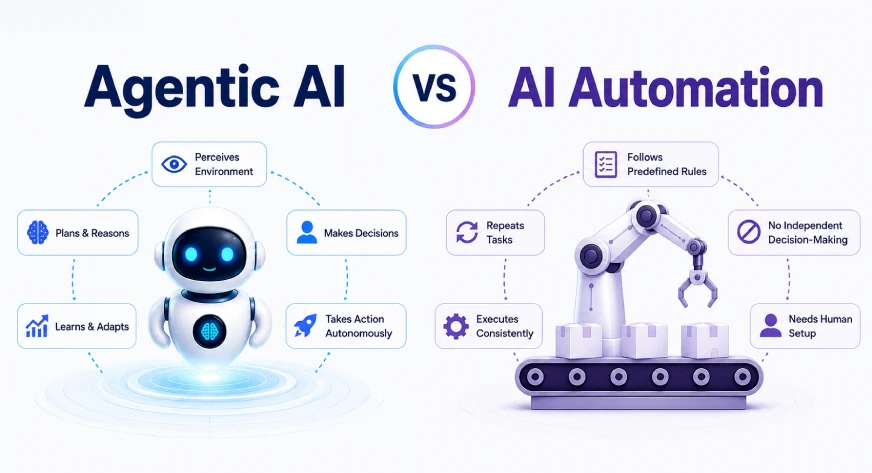
From Demos to Production: Building AI That Handles the Unexpected
A team wraps a few LangChain calls in a loop, adds tools, and calls it an agent. The demo impresses. Then production hits an unexpected input, and the workflow breaks. That is not agency; that is automation wearing a costume. The real difference is adaptability, and confusing the two costs you in downtime. For a deeper look at how agents truly learn, check out our piece on editing context instead of weights.