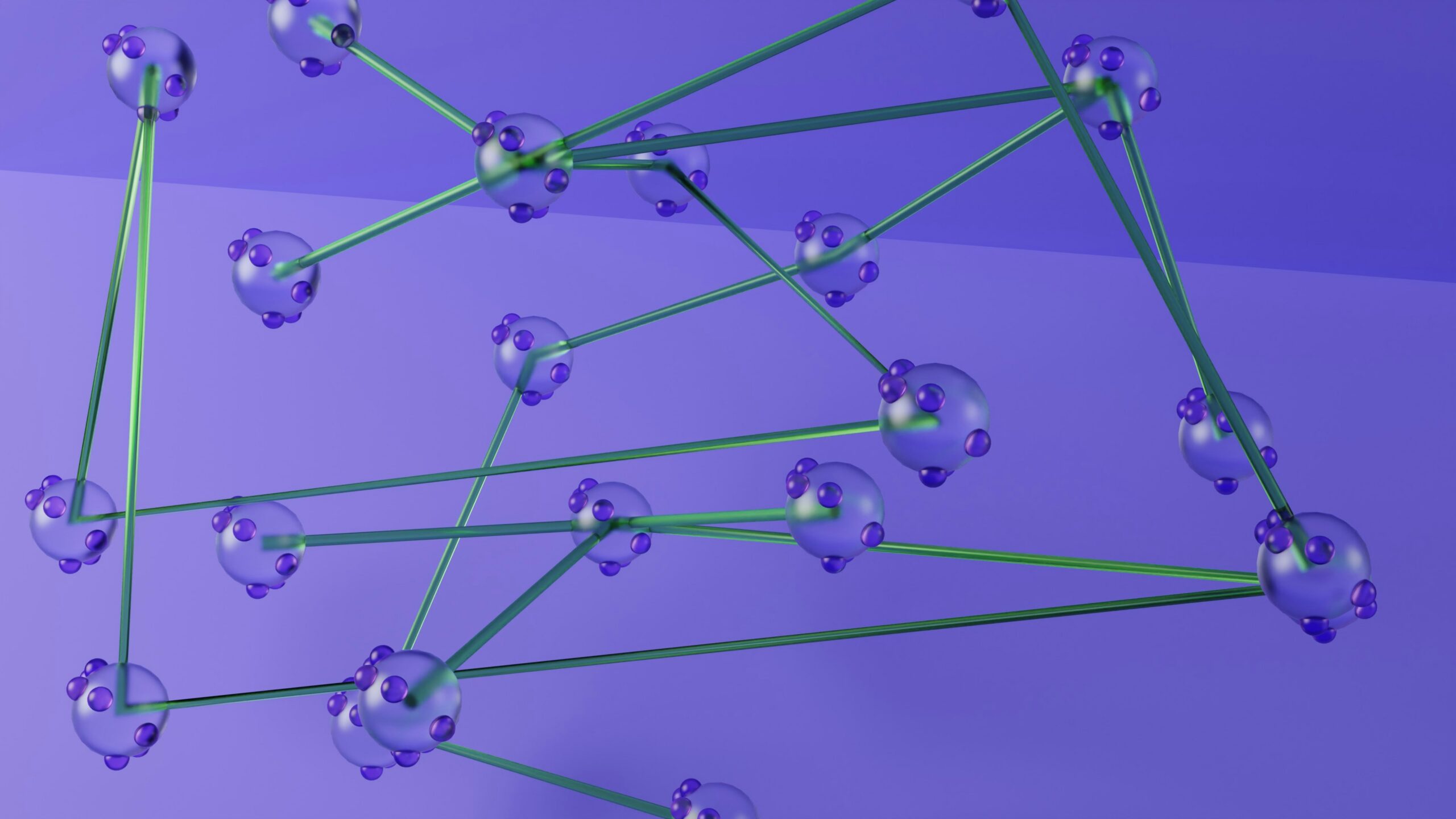
The debate about loops versus graphs in AI agent design has been simmering in technical circles, and this piece from Towards Data Science finally gives it the framing it deserves. Graph engineering is not a rebranding of prompt tuning or a fancier way to talk about context windows. It is a distinct discipline, one that treats an AI agent's workflow as a structured system rather than a sequence of clever guesses. For anyone who has felt the ceiling of "just add more prompt" thinking, this is the conversation we need to be having.
What makes this shift practical rather than academic is what graph engineering changes about debugging and reliability. When you engineer a prompt, you are hoping the model lands in the right place. When you engineer a loop, you are betting that iteration will correct course. But a graph forces you to map dependencies, decision points, and parallel branches explicitly. That is not just a technical preference; it is a stance on accountability. You can inspect a graph in a way you cannot inspect a vibe. This connects directly to the challenge of verifying AI understanding, which we explored in Verify Your AI's Understanding: A Simple Check for Tax Season. If you cannot trace why an agent took a particular branch, you cannot trust its output in high-stakes scenarios.
Graph engineering is about control, not complexity. It acknowledges that agents are not just language models; they are systems that navigate state. That is why the distinction between prompt, context, and loop engineering matters. Prompts are static instructions. Context is the raw material. Loops are the rhythm. But graphs are the architecture. They let you design for failure modes, for retries, for human handoffs. For our readers who are moving from prototyping agents to shipping them, this is the missing layer. It is the difference between a demo that works and a system that operates.
Our take is straightforward: if you are building AI agents for real workflows, stop thinking about the next prompt and start drawing the graph. Map the nodes, define the edges, and decide where the model is allowed to decide versus where the system should decide for it. That discipline will save you more time than any clever few-shot template. The open question we are watching is how tooling catches up. Will graph engineering become a first-class practice in agent frameworks, or will it remain an artisanal skill? For now, the practical takeaway is clear: a graph is not a diagram you draw after the fact; it is the specification you build against. The teams that internalize that will be the ones shipping agents that actually hold up.