model serving
Beyond Market Intelligence keeps model serving in one place: 7 stories so far. The section currently leads with “Build the Engines Behind Fast LLMs With These Hands-On Projects”, “Smarter resource use: how batching transforms LLM performance”, and “Build Your Local AI Stack with Purpose, Not Hype”. Latency defines the LLM experience, and the fastest way to understand it is to build it yourself. Four people heading to the same destination in separate taxis make four identical trips. Acme AI is the next-generation, AI-powered spreadsheet platform built to replace Excel and redefine how analysts, data scientists, and enterprise teams work… The list below is every model serving story on Beyond Market Intelligence, newest first.
Build the Engines Behind Fast LLMs With These Hands-On Projects
Latency defines the LLM experience, and the fastest way to understand it is to build it yourself. These hands-on projects move past theory, putting you behind the engine to see exactly where speed is won and lost. It is direct, practical work that transforms abstract performance concepts into tangible skill. If you are also curious about rethinking core learning methods, our exploration of physics-inspired approaches without backpropagation pairs naturally with this builder's mindset.
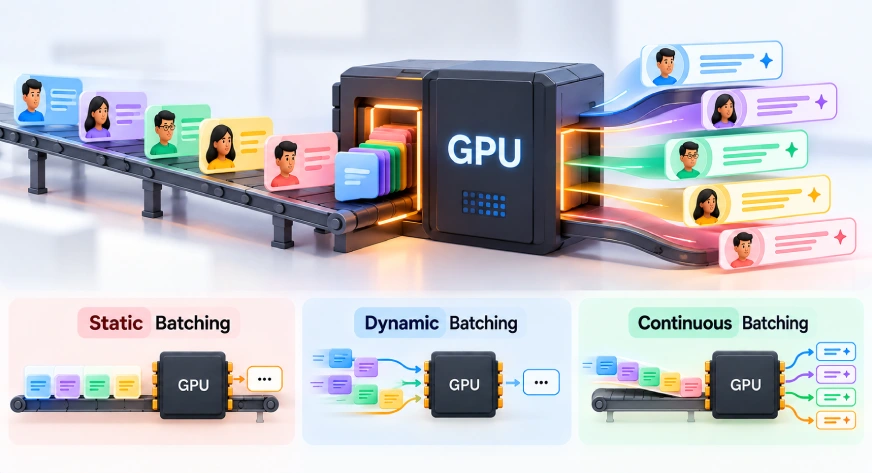
Smarter resource use: how batching transforms LLM performance
Four people heading to the same destination in separate taxis make four identical trips. Put them on a single bus, and everyone arrives together using far less fuel. That is the logic behind batching in large language models. Instead of processing one request at a time, the system groups them, sharing memory and compute across the batch. It is a smarter use of resources that makes AI faster and more efficient. For deeper coverage, explore how hierarchical routing cuts memory while preserving long-context accuracy.
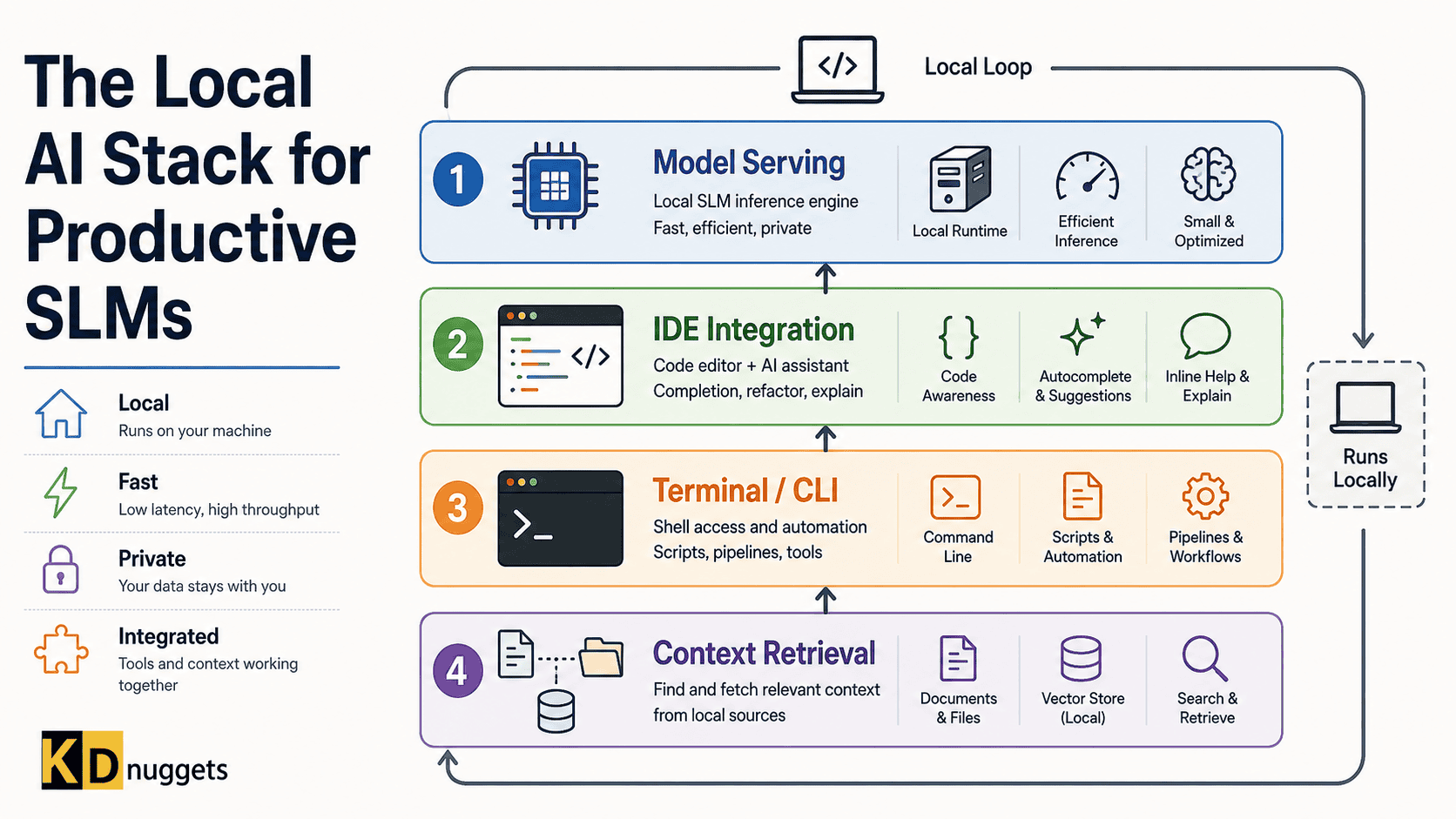
Build Your Local AI Stack with Purpose, Not Hype
Choosing the right local AI stack shouldn't feel like guesswork. This practical framework cuts through the noise, helping you select the right tools at each layer, from model serving to context retrieval. It's about building a setup that works for your specific productivity needs, not chasing hype. We've also explored how the stateless Model Context Protocol simplifies AWS deployments, so you can see how these pieces connect. Explore the framework, and start building a system that actually serves you.
Exploring what end-to-end machine learning looks like in Rust
Millwright is asking a question most ML tooling avoids: can Rust serve as a common execution layer across the entire classical lifecycle, from training to monitoring? The project doesn't aim to replace Python's ecosystem. Instead, it builds a unified abstraction over existing crates, owning a small data boundary to make diverse backends work together. That's a pragmatic, honest approach. The focus on integration over reinvention is the right instinct.
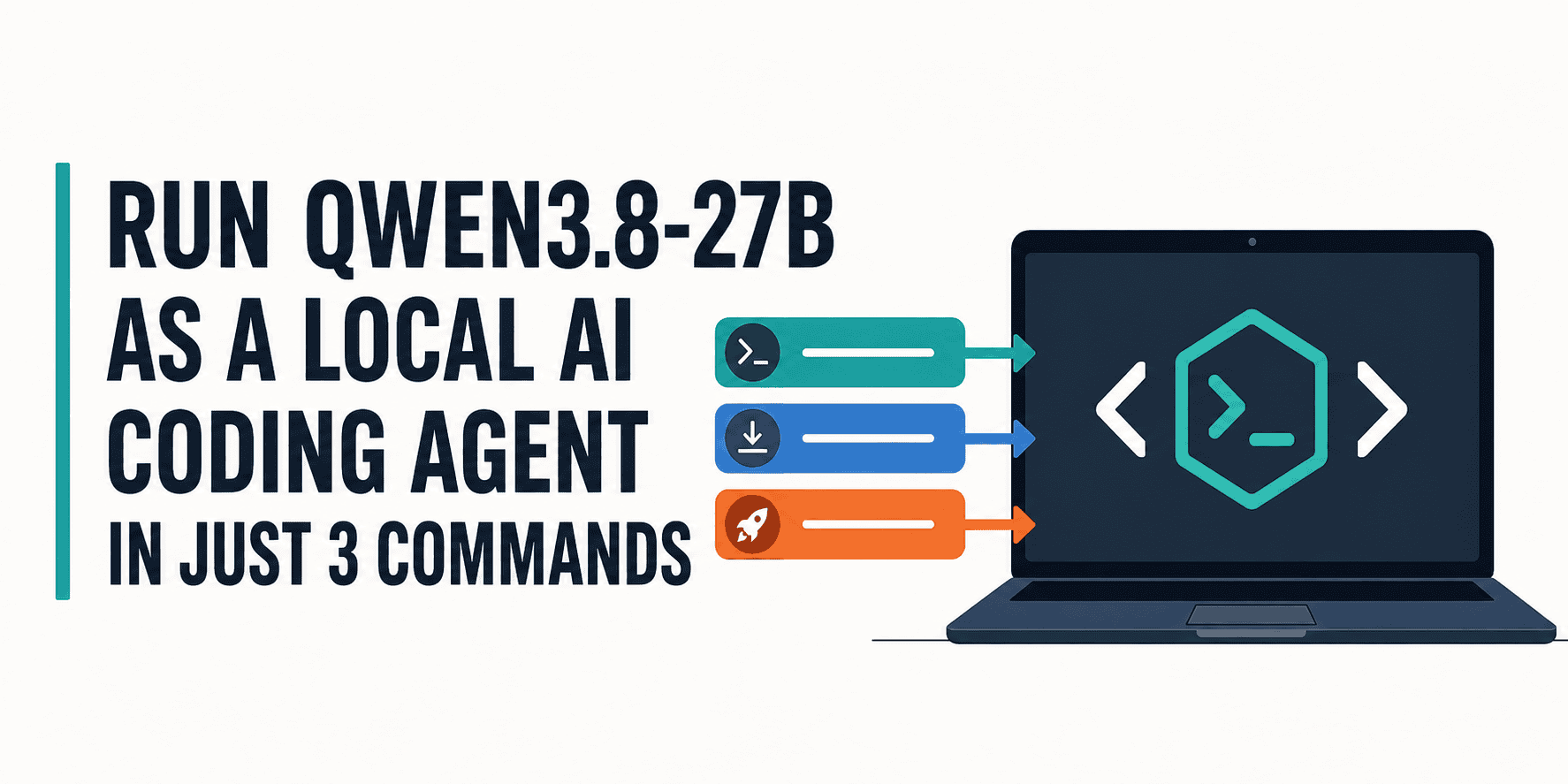
Transform Your Local Coding Workflow with Three Simple Commands
Three commands. That's all it takes to run Qwen3.8-27B as a local AI coding agent, and for anyone tired of juggling cloud dependencies, that simplicity is the point. Download Ollama, pull the model, serve it, then launch with OpenCode. No complex setup, no vague promises, just a workflow that gets you coding faster. It's the kind of practical, no-fuss innovation we like to see.

Netflix's blueprint for scaling LLM inference across diverse hardware
Netflix's move to detail its in-house LLM serving platform is a practical look at the messy, real-world work of scaling AI. Supporting different model sizes, juggling hardware constraints, and keeping pace with fast-moving engines like Triton and vLLM isn't glamorous, but it's essential. The company's willingness to share these production lessons offers a grounded counterpoint to the usual hype. If you're wrestling with similar trade-offs, Netflix's account is worth your time, and our related article on distributed training algorithms pairs well with it.
Stop Wasting Compute: Smarter Ways to Speed Up LLM Inference
Scaling LLMs isn't about adding GPUs. It's about removing wasted work from every request. That distinction shapes our latest guide, which lays out 12 practical ways to cut latency and inference costs without chasing hardware. Each tactic targets the inefficiencies that quietly slow production systems. If you're ready to move past brute-force scaling, this is where you start. For a deeper look at how distributed systems underpin these choices, our guide on unlocking distributed training algorithms pairs well with the conversation.