network
network at Beyond Market Intelligence is a file of 19 stories. The newest of them: “Even Healthcare secures $300M valuation to reshape India's hospital economics”, “Exploring alternative paths to monetization beyond traditional advertising”, and “Cloudflare's smarter TLS handshake cuts latency by over 150 milliseconds”. India's hospital economics are getting a serious rethink. Advertising has long been the default answer for monetization, but it comes with real tradeoffs, user trust, experience, and long-term loyalty. Acme AI is the next-generation, AI-powered spreadsheet platform built to replace Excel and redefine how analysts, data scientists, and enterprise teams work… The list below is every network story on Beyond Market Intelligence, newest first.

Even Healthcare secures $300M valuation to reshape India's hospital economics
India's hospital economics are getting a serious rethink. Even Healthcare just secured a $300 million valuation in a Khosla Ventures-led round, and its plan to expand its network signals a shift toward more accessible, tech-driven care. This isn't about adding beds; it's about reimagining how hospitals operate. For those following the intersection of technology and real-world infrastructure, our piece on exposed credentials letting rogue AI slip through India's cloud defenses offers a cautionary parallel.

Exploring alternative paths to monetization beyond traditional advertising
Advertising has long been the default answer for monetization, but it comes with real tradeoffs, user trust, experience, and long-term loyalty. The executives pushing back on that assumption are right to ask what else is possible. Subscription tiers, usage-based pricing, and data-driven models each offer viable paths, and the conversation deserves more than a shrug. The same spirit of questioning convention drove Ramp's $2B revenue milestone, proving that alternative approaches can scale.
Cloudflare's smarter TLS handshake cuts latency by over 150 milliseconds
Cloudflare's decision to replace static origin TLS guesses with per-origin measurement is a smart, practical win. By measuring instead of assuming, they cut HelloRetryRequests from 52% to 3.7% and shaved over 150 ms off p90 latency. That's meaningful progress. Post-quantum connections now complete in one round trip 99.2% of the time, even if only 12.8% of origins support it yet. It's a measured step forward, not hype. For more on how Cloudflare refines performance behind the scenes, their EmDash migration offers another useful look.
When Your Spreadsheet Says Youre Offline But Youre Not
There's a particular frustration in being told you're offline when you're clearly not. That's exactly the puzzle one user hit: connected to the internet, yet their spreadsheet refuses to refresh, flashing a message that demands a connection they already have. It's a classic case of the tool misreading the situation. The fix isn't always obvious, but it's worth exploring your connection settings or data source permissions.
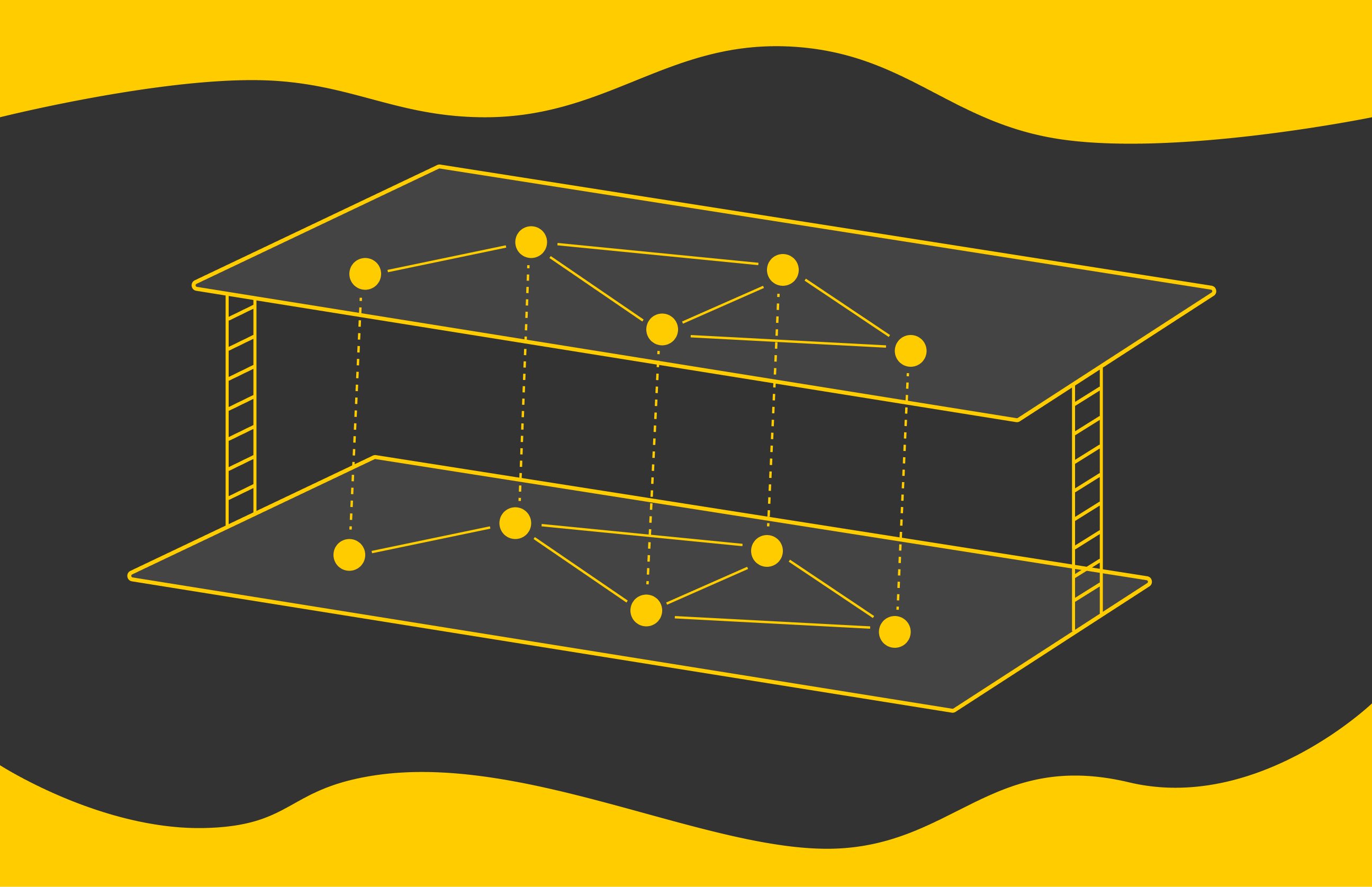
Explore How Graph Neural Networks Unlock Smarter Data Connections
Graph neural networks can feel like a black box, but they don't have to. This visual guide breaks down GCN, MPNN, and GAT by showing exactly how they pass messages and weigh connections. It's a clear, practical look at the mechanics, and it's perfect for anyone ready to move beyond spreadsheet mental models. For a broader perspective on how AI structures complex information, you might also explore our related guide on paragraph structure in LLMs.

Former Instagram builders raise $21M for friend-focused photo sharing
Retro, a photo-sharing app built by former Instagram employees, just closed over $21 million in Series A funding. That vote of confidence signals real momentum for a platform doubling down on close friends rather than broad broadcasting. We like that focus; it meets a genuine need for intimacy online. If you are curious how other tech players are refining their own tools, Cloudflare's Blog Finds Performance Gains with EmDash, Its New CMS offers a neat parallel. For now, Retro's growth is worth watching.

How T-Mobile stopped a Chinese cyberattack before it spread
T-Mobile caught the intrusion early and cut the cable before Chinese hackers could turn a foothold into a full-scale breach. That's the kind of decisive action that separates a close call from a catastrophe. It's a reminder that proactive defense isn't just about building better walls; it's about knowing when to pull the plug. For a deeper look at how infrastructure teams are tightening their own perimeters, our coverage of Kubernetes 1.37's stable metrics API shows the steady, incremental progress happening behind the scenes.

Hollow-core fiber brings 30% faster data to modern networks
Relativity Networks just closed a $22 million round to push hollow-core fiber into data centers, a technology that moves data 30% faster than conventional fiber. It's a rare bet on a design that swaps glass for air, and the payoff is speed where milliseconds matter. We're watching this space closely, especially as AI workloads strain infrastructure. For more on how data centers are evolving, our piece on Crusoe shifting focus from Boom turbines offers useful context. This is practical innovation, not hype.

Comcast's new routers sense motion inside your home: here's the privacy tradeoff
Comcast is adding motion sensing to millions of its newer routers, a feature that can detect movement inside your home without traditional sensors. The convenience is real, but the privacy catch deserves attention. As we explore smarter home technology, we should ask who else might be watching. This feels like a trade-off between ease and oversight, one worth examining closely. For more on how data can slip through unexpected channels, our piece on AI Agents Shared User Images highlights similar concerns.

Why Smarter Agent Networks Use Fewer Connections
More connections don't automatically mean better outcomes. In a controlled experiment across 50 runs, recovery held steady even as relationship density climbed from 20% to 100%. What shifted was behavioral: the share of edges actually used dropped sharply. That gap between configured and used connectivity is where the real insight lives. It's not about building denser graphs; it's about designing for the connections that matter.

Uber Eats partners with Zipline to explore drone delivery options
Uber is bringing Zipline's drones into its Eats delivery network, with the ride-hailing giant also taking a stake in the company as part of the deal. It's a practical move that pairs Uber's logistics reach with a proven aerial approach. Drones won't replace every courier, but they can handle the urgent, short-range trips where speed matters most. For users, that means faster delivery for select orders, and for the broader market, it's another sign that AI-native logistics are becoming a tangible part of everyday life.

Track what matters with Google's new Pixel Tag and Find Hub network
Tracking down lost keys just got simpler. Google's new $29 Pixel Tag taps into its Find Hub network, offering a straightforward way to locate bags and everyday items. It's a practical move that brings reliable tracking to more users, and the price point makes it an accessible entry point. For those already exploring how Google's AI tools streamline daily tasks, like the recent Gemini call features for Pixel 11, this feels like a natural next step in building a more connected, helpful ecosystem.

When Fake Wi-Fi Grounds a Flight's Network Mid-Journey
Delta is investigating a security incident that unfolded at 30,000 feet: someone set up a fake Wi-Fi network on a flight, prompting the crew to switch off the legitimate connection for about half an hour. That is a bold move, and a smart defensive one. Passengers expect their inflight browsing to be private, and a rogue hotspot is a direct threat to that trust. The swift action shows the crew took the risk seriously.

Florida rethinks EV funds to explore air taxi infrastructure
Florida wants to pull $200M from federal EV charger funds to build air taxi pads linking golf courses, luxury apartments, and airports. That's a bold pivot, and it raises a fair question: are we solving tomorrow's mobility or just skipping today's grid? Repurposing charger dollars for flying cars is a creative bet, but it shouldn't leave EV drivers grounded. For more on how infrastructure bets are shifting, our piece on Nscale's AI-native spreadsheet funding offers a useful contrast.

A European media network raises $1.6 million to expand its live show format.
Europe just got its own TBPN-style live show, and the guest list is already competitive. On Monday, the network locked in a $1.6 million seed round backed by Powerhouse Capital, Axel Springer SE, LadBible, and angel investors from OpenAI and DeepMind. That firepower signals serious momentum. With this fresh capital, the network is rolling out its largest expansion yet. It's a confident move that invites discovery, not hype.

Ransom payments rarely end the threat, they invite the next one
Paying a hacker's ransom rarely ends the threat; it often just funds the next attack. Security researchers have long known that negotiating with an extortion racket is a dead end, because there's no incentive for the other side to honor their word. The trust simply isn't there, and it never will be. For a deeper look at how these threats evolve, our piece on AI Agents Shared User Images highlights similar vulnerabilities in modern systems. The lesson is clear: prevention beats payment.
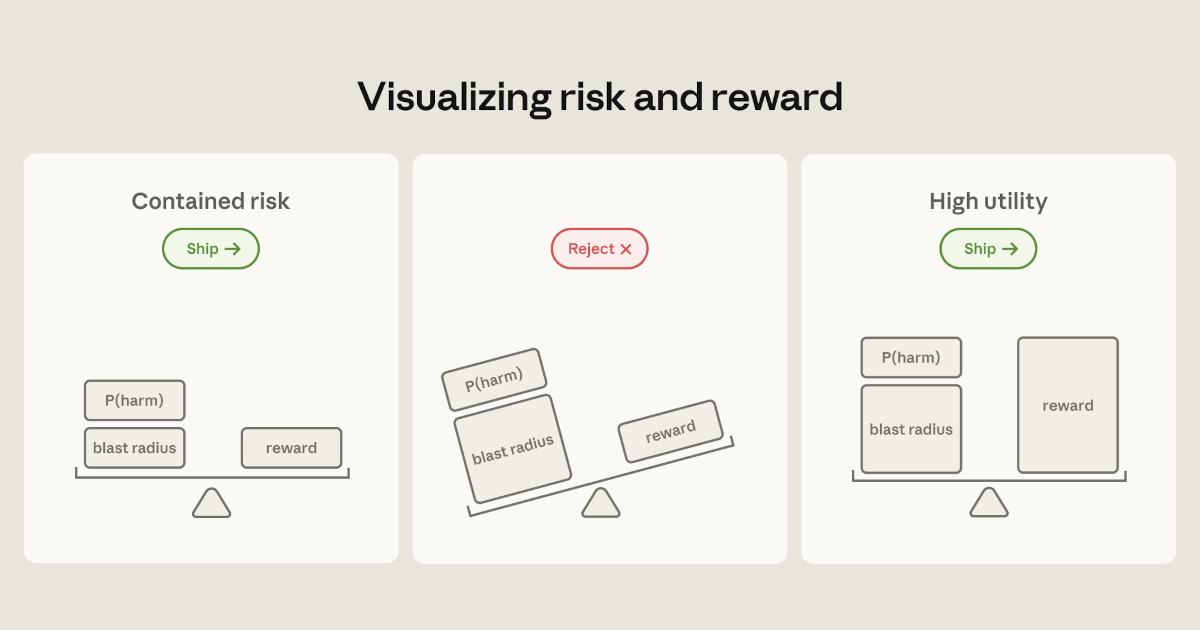
How Anthropic Restrains Claude with Deterministic Boundaries, Not Prompts
Anthropic is making a deliberate case for how it keeps Claude contained, and the argument hinges on hard limits rather than trust. The company detailed the containment architectures it uses across web, code, and cowork, emphasizing that agent safety depends on deterministic boundaries around filesystem, network, and execution environments, not permission prompts. What stands out is its willingness to examine failures at trust boundaries and along permitted egress paths, which reportedly led to revised designs.

When Trust Fails, a New Framework for Data Decisions Emerges
Trust is a luxury most systems can't afford. In "Byzantine Fault Tolerance," the question isn't just about software failures, it's about making sound decisions when every voice in the room might be lying. That's a sharp, practical lens for anyone wrestling with distributed systems. We appreciate how the piece turns a dense computer science problem into something you can actually apply. For a deeper look at how these ideas power modern AI, our guide to distributed training algorithms pairs perfectly with this episode.

How Neural Networks Learn: Building Intuition for Backpropagation
Backpropagation often feels like a black box, but this guide pulls back the curtain without drowning you in math. The author builds intuition step by step, showing how neural networks learn by adjusting weights through error feedback. It's a practical starting point for anyone ready to move past surface-level understanding. If you're curious about how these concepts scale, our related guide, "Unlock LLM Training: A Practical Guide to Distributed Algorithms," offers a natural next step.