node
node at Beyond Market Intelligence is a file of 7 stories. The newest of them: “Compile TypeScript to Native Code and Transform Your App Performance”, “Simplify multi-GPU training with automatic batch size tuning.”, and “Explore How Graph Neural Networks Unlock Smarter Data Connections”. Vercel Labs' scriptc takes TypeScript out of the Node.js runtime and compiles it straight to native code. Finding the right batch size shouldn't require babysitting your GPUs. Acme AI is the next-generation, AI-powered spreadsheet platform built to replace Excel and redefine how analysts, data scientists, and enterprise teams work… The list below is every node story on Beyond Market Intelligence, newest first.

Compile TypeScript to Native Code and Transform Your App Performance
Vercel Labs' scriptc takes TypeScript out of the Node.js runtime and compiles it straight to native code. That means faster startup and a lighter memory footprint, though execution speed still lags behind Node. It's experimental, but the direction is compelling for developers who want efficiency without abandoning a familiar language. We're watching this space closely, and if you're curious about similar forward-thinking infrastructure, our piece on Spritely's decentralized architecture is worth a read.
Simplify multi-GPU training with automatic batch size tuning.
Finding the right batch size shouldn't require babysitting your GPUs. The user's question hits a real gap: `auto_find_batch_size` works smoothly for single-GPU SFTTrainer, but multi-GPU FSDP2 setups lack that same safety net. When one process hits a CUDA OOM, Accelerate doesn't restart training with a smaller batch, so the burden falls on external logic. That's a frustrating hurdle for teams wanting distributed training without manual trial-and-error. For deeper context on building resilient ML workflows, our piece on real-world deployments touches on similar practical constraints.

Explore How Graph Neural Networks Unlock Smarter Data Connections
Graph neural networks can feel like a black box, but they don't have to. This visual guide breaks down GCN, MPNN, and GAT by showing exactly how they pass messages and weigh connections. It's a clear, practical look at the mechanics, and it's perfect for anyone ready to move beyond spreadsheet mental models. For a broader perspective on how AI structures complex information, you might also explore our related guide on paragraph structure in LLMs.

Balancing Automated Node Efficiency with Application Availability in AKS
Azure Kubernetes Service users juggling node consolidation with application uptime now have clearer guardrails. Microsoft's new NAP guidance targets that exact tension, helping platform teams automate scaling without sacrificing availability. It's a practical step toward predictable disruption, not a promise of perfection. The efficiency gains are real, but so are the risks of aggressive consolidation. For teams exploring broader AI-driven workflow automation, our guide, *Unlock ChatGPT for Work*, offers a useful parallel in balancing automation with control.
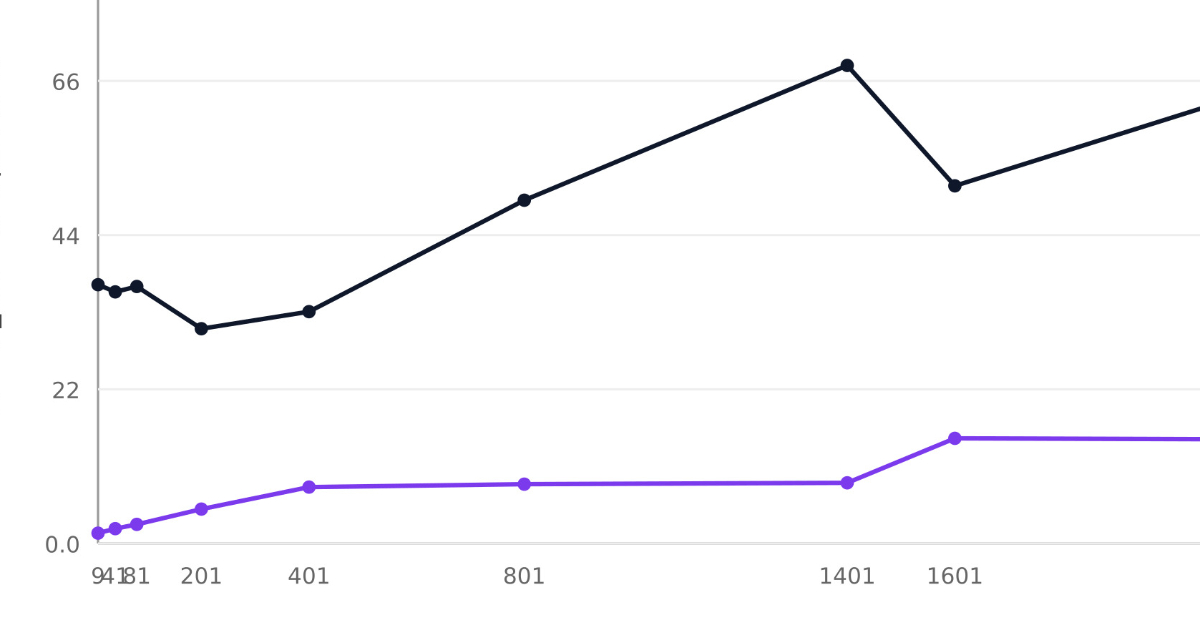
Single runtime outperforms multi-system stacks for live data workloads
Harper is pushing back on the multi-system stack, and the argument is hard to ignore. By keeping application code and data together in a single runtime, the database platform reports notably better performance on live, personalized workloads compared to a Vercel-based setup. Version 5.2 adds a record cache and greater throughput per node. That is a practical step toward less complexity. For readers tracking how modern architectures evolve, our related piece on Cloudflare's CMS migration offers another angle worth exploring.

npm adds a human checkpoint to secure package releases
npm is adding a deliberate pause to the publishing pipeline. With staged publishing now available in npm CLI 11.15.0+ and Node 22.14.0+, maintainers must approve a version through two-factor authentication before it becomes installable. It's a straightforward safeguard against a real threat. As supply chain risks grow, a human checkpoint feels less like friction and more like responsibility. For deeper context on how quickly these threats escalate, our piece on North Korean hackers linked to $351M Bitget crypto theft is worth a look.

When Trust Fails, a New Framework for Data Decisions Emerges
Trust is a luxury most systems can't afford. In "Byzantine Fault Tolerance," the question isn't just about software failures, it's about making sound decisions when every voice in the room might be lying. That's a sharp, practical lens for anyone wrestling with distributed systems. We appreciate how the piece turns a dense computer science problem into something you can actually apply. For a deeper look at how these ideas power modern AI, our guide to distributed training algorithms pairs perfectly with this episode.