platform
Beyond Market Intelligence keeps platform in one place: 107 stories so far. The section currently leads with “How Netflix Rebuilt Its Commerce Platform for Global Scale”, “Flipboard expands its open social web with Graze's creator tools.”, and “Meta sets daily time limits for teens, empowering parents with control.”. Netflix didn't become a global streaming giant by accident, and Kasia Trapszo's talk digs into the messy, deliberate work behind that evolution. Flipboard is folding Graze into its platform, betting that the feed builder's privacy-friendly ad tech and creator tools can help monetize the open social web. Acme AI is the next-generation, AI-powered spreadsheet platform built to replace Excel and redefine how analysts, data scientists, and enterprise teams work… The list below is every platform story on Beyond Market Intelligence, newest first.
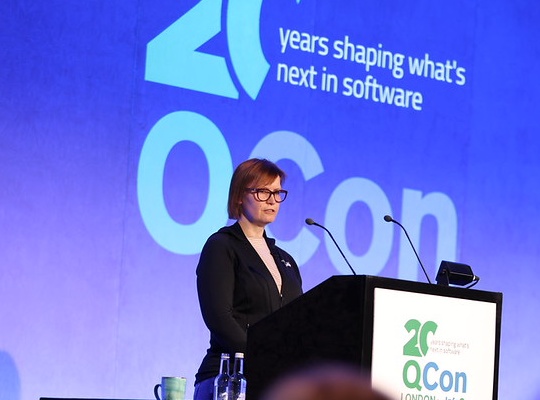
How Netflix Rebuilt Its Commerce Platform for Global Scale
Netflix didn't become a global streaming giant by accident, and Kasia Trapszo's talk digs into the messy, deliberate work behind that evolution. She walks through the shift from a U.S. DVD service to worldwide infrastructure, tackling real-world friction like international payments and strict regulations. What stands out is her focus on decomposing monoliths along domain lines, then rebuilding for massive live events. It's a grounded look at how systems survive, not through clever hacks, but through constant, practical reinvention.

Flipboard expands its open social web with Graze's creator tools.
Flipboard is folding Graze into its platform, betting that the feed builder's privacy-friendly ad tech and creator tools can help monetize the open social web. It's a practical move, one that pairs Graze's Bluesky expertise with Flipboard's broader push for a less siloed internet. We're watching how this complements the resilience shown by publishers like Cloudflare, whose EmDash migration recently proved performance gains aren't locked to legacy systems. The open web needs workable economics, and this acquisition feels like a step in that direction.

Meta sets daily time limits for teens, empowering parents with control.
Meta's new settlement with states brings a practical shift: teens will face a daily two-hour app limit unless parents step in. That's a meaningful concession, and it signals a more accountable approach to younger users. The move feels overdue, but it's a solid step toward healthier boundaries. For more on how Meta is adjusting its policies, our piece on the reversal of ads for the Musk documentary offers useful context. This decision, though, is about direct impact on families, and that's worth watching closely.

Runable's $21M bet shows AI agents evolving from builders to growth engines
Runable just closed a $21M round, and the signal here is hard to ignore: 60% to 70% of its trillion-plus token usage over the last 90 days came from paying customers. That is not a demo problem. That is real traction. The bet, as the company frames it, is that AI agents can move from building businesses to growing them. We find that distinction compelling, and it suggests a maturity that the market is finally ready to reward.

Format Your TDS Draft with Clarity and Confidence
Formatting a draft shouldn't feel like a puzzle. Our updated guide walks you through the Contributor Portal step by step, so you can focus on the ideas that matter. We've stripped away the guesswork, offering clear, practical direction that fits how you actually work. Whether you're revising an old piece or starting fresh, this guide helps you move from raw text to polished submission with less friction. It's about making the process as straightforward as the thinking behind it.

Ringg secures $10M from Peak XV to expand voice AI beyond calls
Ringg's $10 million Series A extension from Peak XV signals more than just a funding milestone; it points to where voice AI is heading next. The company is pushing past the phone call, building tools that meet users in their daily workflows instead of forcing them into a legacy channel. That's a practical step forward, not a flashy one.

Discover how AI simplifies video editing with a first draft in seconds.
Instagram says its new First Draft feature can turn raw footage into a rough cut in under 10 seconds. That is a meaningful step for creators who lose hours to trimming and rearranging clips, and it lowers the barrier for newcomers who find editing software intimidating. We like the direction: simpler tools that respect time. For more on how Meta is reshaping its platforms, check out our piece on Meta's smart glasses expanding connected experiences.

Navigating the Future of Data Access with Transparency
X has sent cease-and-desist letters to Nitter, the open source project behind privacy-friendly front ends, demanding its instances and code repository be taken down over alleged scraping. It's a heavy-handed move against a tool that simply offers a different way to access public data. Projects like Nitter often exist because users want control. For a platform pushing innovation, this feels like a step backward. If you're following how open source alternatives are faring, our piece on Cloudflare's blog migration to EmDash offers a useful counterpoint.

From events to connection: Pie evolves into a social network for groups
Andy Dunn's Pie is quietly shedding its skin as an events app, and the shift is worth watching. By giving groups digital homes to connect, organize, and make plans, Pie moves closer to becoming a genuine social network, not just a utility for meetups. That's a smart evolution, especially as users look for spaces that feel intentional rather than performative. It's still early, but this direction suggests Dunn is betting on community over calendars.

Explore a faster, more intuitive home for data science readers and writers
We rebuilt the TDS website and contributor portal from the ground up, and we're eager for you to see what that means for your daily reading and writing rhythm. Speed improves, navigation clears, and the publishing process feels less like a hurdle. This is about removing friction so your ideas carry the day. For more on how we think about performance and structure, our coverage of Cloudflare's EmDash migration offers a useful parallel. Explore the new space, and let us know what you discover.
Code hosting meets AI collaboration with Cursor's new Origin platform
Cursor just planted a flag in the heart of its own ecosystem. Origin, a git-based hosting platform built directly into the editor, moves code management out of the browser and into the flow of work. It's a confident bet: teams that live in Cursor shouldn't have to leave to push, review, or merge. The early beta on Pro, Teams, and Enterprise plans signals a serious play, not an experiment.

Replit's CEO on stage to share a practical vision for coding's future
When Amjad Masad takes the Disrupt Stage at TechCrunch Disrupt 2026, he'll bring a clear-eyed view of where programming is headed. As CEO and co-founder of Replit, Masad isn't just building tools; he's shaping how we think about creation itself. Expect a conversation that cuts through the noise, focusing on practical transformation rather than hype. For more context on how digital infrastructure is evolving, our piece on Cloudflare's Blog Finds Performance Gains with EmDash offers a useful parallel.

Rightsizing Developer Platforms to Reduce Cognitive Load and Accelerate Delivery
Platform engineering is rarely a one-size-fits-all equation. John Keates tackles the real friction behind modern developer platforms: the cognitive load that shift-left practices have quietly piled onto teams. He focuses on rightsizing, not just building more. It's a practical look at matching your platform to your culture, not the other way around. For those exploring how AI tools fit into everyday workflows, our guide to unlocking ChatGPT for work offers a useful starting point.
Vite+ Beta Unifies the Web Toolchain Into One Simple Command
Vite+ arrives as a unified web toolchain, and that single command approach is exactly what developers have been waiting for. VoidZero's beta combines runtime, package management, and frontend essentials into one streamlined workflow. Hot-reloading, format checking, and testing all live behind that command, which should cut through the usual configuration clutter. It's open source, too, and the team is leaning on community feedback to shape what comes next. For a developer tired of stitching tools together, this feels like a practical step forward.

TikTok tests safety limits, sparking questions on user protection
TikTok's experiment to disable a safeguard designed to shield users from harmful content raises a pointed question: how far is too far in the pursuit of engagement? The company wanted to see if the feature made the app less compelling, but the trade-off feels steep. That's a risky calculation, and lawmakers are right to press for answers. It's a familiar tension in tech, one that echoes in our coverage of Meta's recent ad reversal.

Discover how Pocket transforms game creation into an accessible AI experience.
Meta is bringing Pocket, its experimental AI-powered app for creating and sharing interactive games, to users across the U.S. after quietly testing it in Brazil. That's a smart next step for a tool designed to let you vibe-code and share what you build. We like seeing Meta lean into accessible creation tools that lower the barrier to entry. If you're curious about how AI reshapes creative work, our piece on talking to an AI clone offers a thoughtful counterpoint worth exploring.

Patreon gives smaller creators more visibility with Clips and smarter discovery
Patreon is giving smaller creators a real shot at being seen. The platform's 30 new features, including short-form Clips and topic-based communities, tackle the hardest part of the job: discovery. A revamped recommendation system now prioritizes visibility for those who've long been overlooked. That's a meaningful step toward leveling the field. For creators tired of shouting into the void, this feels like a welcome shift.

Warp Factories makes AI development infrastructure accessible and actionable.
Building AI software shouldn't require a dedicated infrastructure team. On Tuesday, Warp introduced Warp Factories, a new system designed to make creating AI development environments as straightforward as possible. It's an out-of-the-box approach that removes the heavy lifting, letting teams focus on the work itself. We're impressed by the focus on accessibility here. For a deeper look at how these systems perform in the wild, our piece on real-world computer vision deployments is a solid companion read. Explore what this means for your workflow.

Reddit tests audio and video to transform how you explore stories
Reddit is starting to test audio and video versions of popular posts, letting users watch or listen to stories instead of just reading them. It's a straightforward move toward meeting people where they already spend time, and it makes sense for a platform built on conversation. The shift feels natural, not forced. If you're curious about how other platforms are adjusting their content strategies, our piece on Meta reversing course on ads for the Musk documentary offers a useful contrast.

X opens ranking code to reveal how your feed is shaped
X just opened the hood on its ranking algorithm, letting users see exactly how the 'For You' feed decides what they see and whether they've been shadowbanned. It's a bold step toward transparency, and one that acknowledges a growing distrust in platform black boxes. We appreciate the move because it shifts power back to the people using the service. For a deeper look at how platforms handle visibility, our piece on Meta reversing course on ads for the Musk documentary offers useful context.

Twitch defaults to training AI on streamers without asking permission first.
Twitch's new default is a blunt admission: training on streamers' content unless they opt out is the only way to get meaningful adoption. As CPO Mike Minton put it, an opt-in model would leave the system empty, and he's not wrong. It's a pragmatic, if uncomfortable, choice that prioritizes progress over preference. For anyone wrestling with similar ethical gray areas in AI, our piece on talking to an AI clone offers a firsthand look at the unease these tools can stir.

New Reports Question Phia's Business Practices and Founders' Awareness
Phoebe Gates and Sophia Kianni reportedly sat on knowledge of Phia's alleged "cookie stuffing" for months. That timing matters. It suggests a tolerance for practices that undercut the trust their shopping startup is supposed to build. If the founders knew, their silence becomes part of the problem. For a company asking users to explore new tools, accountability should be the default, not an afterthought. It is a messy situation, and they owe users a clear, direct response.

Bumble evolves its approach to empower more natural connections
Bumble is ditching the rule that kept men from making the first move, a policy it has enforced since launching in 2024. Finally. That constraint always felt like a holdover from a dating era that no longer fits how people actually connect. Letting anyone initiate opens the door to more genuine interactions, and that is a shift worth exploring. If you are curious about how platforms evolve their core mechanics, our piece on Cloudflare's Blog Finds Performance Gains with EmDash offers a useful parallel.

Bluesky's engaged core holds steady as its mobile audience contracts.
A year after its post-election surge, Bluesky's mobile app is losing active users, yet the community that remains is still showing up. That distinction matters. Shrinking numbers don't always signal disinterest; they can mean the platform is settling into a more focused, sustainable core. As Bluesky expands its ambitions beyond the app itself, the real test is whether that engagement translates into lasting value.