platform
Beyond Market Intelligence keeps platform in one place: 107 stories so far. The section currently leads with “From Spotify to shopping: AI taste prediction arrives for e-commerce”, “From platform to practice: build tools people actually use”, and “Omilia secures $67M to expand AI-powered customer support solutions”. A group of former Spotify engineers has raised $10 million to apply the same recommendation engine that powers music discovery to online shopping. Building a platform is only step one. Acme AI is the next-generation, AI-powered spreadsheet platform built to replace Excel and redefine how analysts, data scientists, and enterprise teams work… The list below is every platform story on Beyond Market Intelligence, newest first.

From Spotify to shopping: AI taste prediction arrives for e-commerce
A group of former Spotify engineers has raised $10 million to apply the same recommendation engine that powers music discovery to online shopping. Their platform predicts which product a shopper wants next, learns general taste, and fine-tunes in real time based on behavior. It is a practical step toward making e-commerce feel less like a search bar and more like a guide. If you are curious about the limits of such personalization, our piece on talking to an AI clone offers a useful counterpoint.

From platform to practice: build tools people actually use
Building a platform is only step one. The real test is whether people can actually use it. Ben Linders argues that a capability isn't finished until it's reliably adopted, pushing teams to ask two sharp questions: "Is this being used?" and "Does it reduce friction?" That focus shifts development from simply shipping features to creating genuine value. It's a practical, human-centered take worth exploring.

Omilia secures $67M to expand AI-powered customer support solutions
Omilia has raised $67 million in a Series B round, its second fundraise since 2020, and the numbers tell a compelling story. The company's annual recurring revenue has grown 10x to $60 million in that span. That kind of growth signals real momentum in customer support, where AI is moving from novelty to necessity. We're watching a platform scale with purpose, not hype.

Serial entrepreneur Nikita Bier steps back from product lead role at X
Nikita Bier is stepping down as X's head of product, a little over a year after taking what he called the "24/7 job" of overseeing the platform. His exit is a reminder that product leadership in this space demands more than a title; it asks for relentless, round-the-clock focus. For those tracking shifts in tech leadership, our piece on Automattic's recent board reorganization offers a useful parallel. Change is rarely sudden, but it is always telling.

Disney+ invites TikTok creators to transform fan content into short-form video.
Disney+ is turning to TikTok creators to fill its short-form feed, a move that acknowledges where viewer attention actually lives. By inviting fan-made content into the app, the streamer is betting on authenticity over polish. It's a practical step toward staying culturally relevant, even if it blurs the line between platform and partner. For context on how platforms are rethinking content strategy, our piece on Cloudflare's Blog Finds Performance Gains with EmDash, Its New CMS offers a useful parallel.
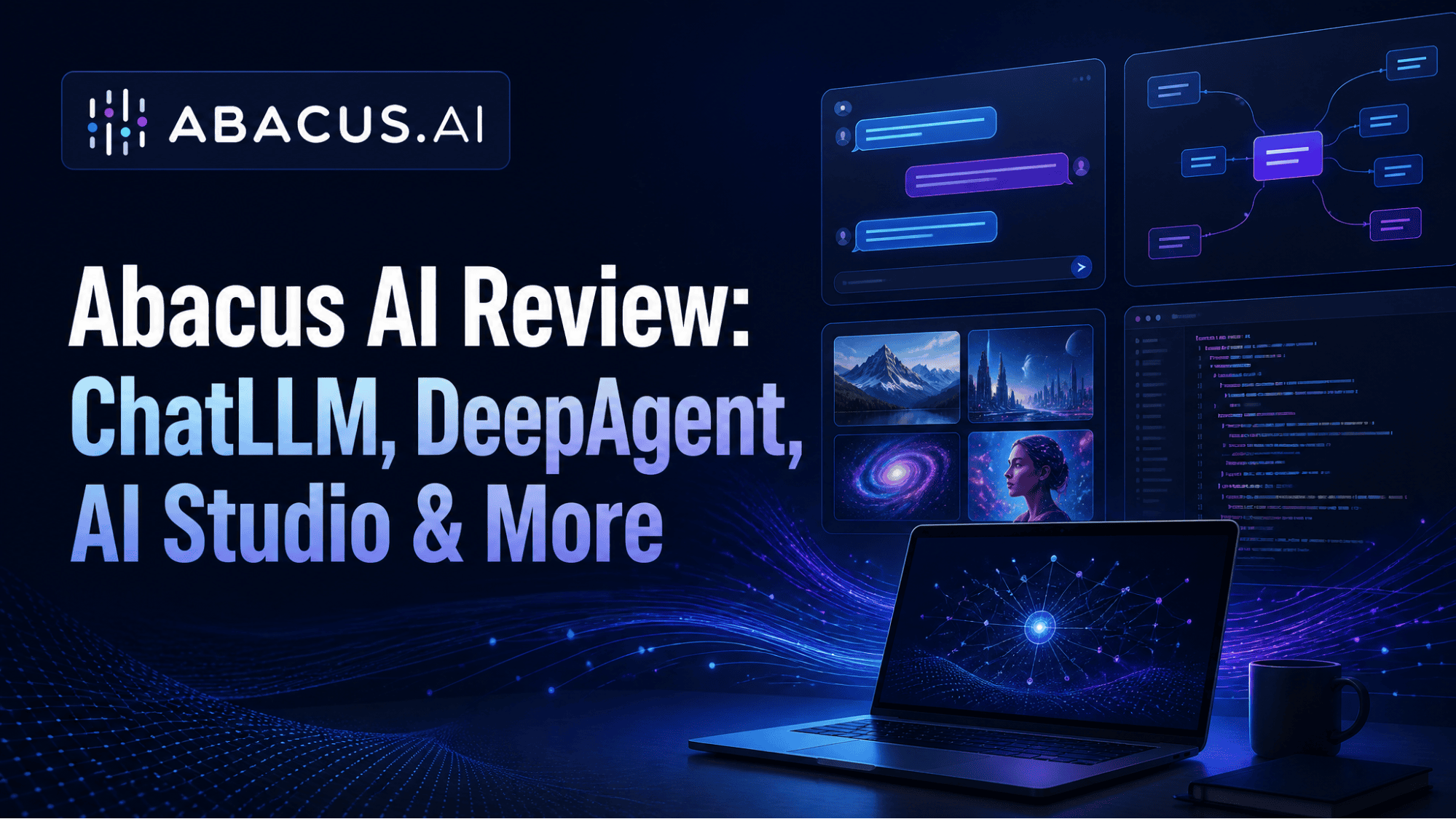
Explore Abacus AI's unified ecosystem for smarter, simpler workflows.
Abacus AI isn't just another AI toolkit; it's a serious answer to the chaos of juggling multiple subscriptions. This review breaks down how its ecosystem, from ChatLLM to DeepAgent, consolidates over 100 models and a full developer suite into one workflow. We're impressed by the focus on cost-effectiveness for teams, and the depth here invites real exploration. For a broader perspective on how AI tackles complex problems, our piece on AI Models Complete Turing's Codebreaking Legacy offers a fascinating parallel.

Walmart brings Vibe.co into its connected TV advertising platform
Walmart has closed its deal for Vibe.co, folding the TV advertising company into Walmart Connect. The acquisition, first announced in June, gives Walmart's connected TV platform a direct path to more targeted retail media. It's a logical move for a company that clearly sees the value in meeting shoppers where they watch. For brands, this means sharper ad placement and clearer measurement. If you're curious about how AI is reshaping other tools, our piece on Google Photos AI Wardrobe offers a useful parallel.

Airtable's new chapter begins with a strategic $1.28 billion acquisition
Airtable's journey from an $11 billion valuation to a $1.28 billion acquisition is a striking one. Bending Spoons is known for acquiring products with strong foundations and refining them for efficiency. This move suggests a belief that Airtable's core remains solid, even if the market's enthusiasm has cooled. It is a pragmatic bet on a tool that still defines a category. For users, the focus will likely shift toward integration and polish. If you are following the broader infrastructure story, our piece on Nscale's $3.

Mature platform engineering unlocks sustainable AI value for enterprises.
Perforce's 2026 Platform Engineering Report makes one thing clear: maturity in this space now separates AI experiments from operational wins. The report's findings suggest organizations that treat platform engineering as a strategic discipline are better positioned to turn AI adoption into lasting value. That's a practical, grounded perspective we can get behind. For a related look at how AI behaves in practice, our piece "Talking to My AI Clone Taught Me to Question the Tech" offers a useful counterpoint worth exploring.

A Decade Inside Airbnb: Lessons from Building Its Data Foundation
Ten years after joining Airbnb in early 2016, one insider steps away with a notebook full of reflections. The timing matters: the hyper-growth years are still vivid, and so are the lessons on building a semantic layer that made data work at scale. What stands out is how deliberately Airbnb treated its unique culture, not as a perk, but as infrastructure. For anyone wrestling with data's role in their own organization, this is a candid look at what actually happens behind the scenes.

WhatsApp restores access to accounts mistakenly flagged for review
WhatsApp users woke up to an unwelcome surprise: accounts disabled without warning. Meta says it's restoring access to those mistakenly flagged and placed "under review," a process that clearly caused real frustration. We're glad to see a fix in motion, though it's a reminder that automated safeguards can misfire. For a tool so central to daily communication, reliability is non-negotiable. If you're tracking Meta's recent missteps, our piece on its reversal regarding ads for the Musk documentary offers useful context.

Microsoft's Agent Framework moves from build to governed runtime.
Microsoft's Agent Framework just grew up. At Build 2026, the company shipped a supported runtime with the Agent Harness, GitHub Copilot and Claude Agent SDK connectors, and stable orchestration patterns. Now, with the harness and Foundry Hosted Agents at general availability, the focus shifts from building agents to running them under governance. That is a meaningful transition. For a deeper look at how these pieces fit together, explore our piece on architecting agent harnesses for financial efficiency.

WebAssembly on the JVM unlocks new potential for server-side innovation
WebAssembly is no longer just a browser story, and Andrea Peruffo is here to prove it. His discussion on the JVM traces the technology's journey from simple interpreters to the speed of JIT compilation, making server-side Wasm a practical option for real workloads. What stands out is the focus on production reality, from edge platforms to modular plugins, rather than abstract potential.

Snapchat refocuses Spotlight on human-made content, not AI-generated video
Snapchat is drawing a line in the sand: only videos made by real people will get Spotlight recommendations. It's a direct move against the flood of fully AI-generated content, and frankly, it's the right call for keeping the platform human. We're all for AI that assists, but when it replaces the creator entirely, the authenticity fades. This stance echoes our own exploration of AI's limits, like in "Talking to My AI Clone Taught Me to Question the Tech," where the human element still matters most.

LinkedIn empowers users to flag low-quality AI content with a simple tool
LinkedIn now lets you flag a post as "seems like AI slop," a blunt but practical addition to its reporting tools. It's also swapping its AI writing assistant for a proofreader, which feels like a step toward quality over gimmick. We're glad to see platforms addressing the flood of low-effort content, though the real test is enforcement. For a deeper look at how AI shapes our digital instincts, try "Talking to My AI Clone Taught Me to Question the Tech."

Explore how industry leaders are shaping the future of data at Disrupt 2026
The Disrupt Stage has always been where technology's biggest conversations take shape, and TechCrunch Disrupt 2026 is raising the bar with leaders from Amazon, Replit, and Tether set to take the spotlight. This is a lineup that signals serious momentum, with more names promised in the weeks ahead. If you are tracking how the industry is evolving, this is the room to watch.

Winamp reenters the streaming market with a Deezer-powered player
Winamp is betting that nostalgia can carry it back into the spotlight, this time with a Deezer-powered premium music service and a fresh all-in-one player. It's a bold move in a crowded streaming market, but the brand's history gives it a real opening. If the new player feels as intuitive as the original once did, it could genuinely resonate. For more on ambitious tech comebacks, check out how Cloudflare's Blog found momentum with EmDash, its new CMS.

X resolves advertising dispute with World Federation of Advertisers
Elon Musk's X has ended its multiyear legal fight with the World Federation of Advertisers, a dispute rooted in what the platform called a "systematic illegal boycott" following Musk's $44 billion takeover. The settlement closes a contentious chapter, but the underlying tension between platforms and advertisers isn't going anywhere. It's a reminder that where ad dollars flow, leverage follows. For a deeper look at how these dynamics shift, our piece on Meta reversing course on ads for the Musk documentary offers useful context.
Bring AI coding agents to your machine learning projects in the cloud.
The question of running AI coding agents against a remote GPU is the right one to ask. You want the flexibility of your local editor with the horsepower of the cloud, and that setup absolutely exists. The key is using a platform that treats the remote machine as a seamless extension of your workspace. Docker Cloud Sandboxes offer a consistent environment for this, and exploring that approach is a solid starting point for building your ML workflow without leaving your preferred tools behind.
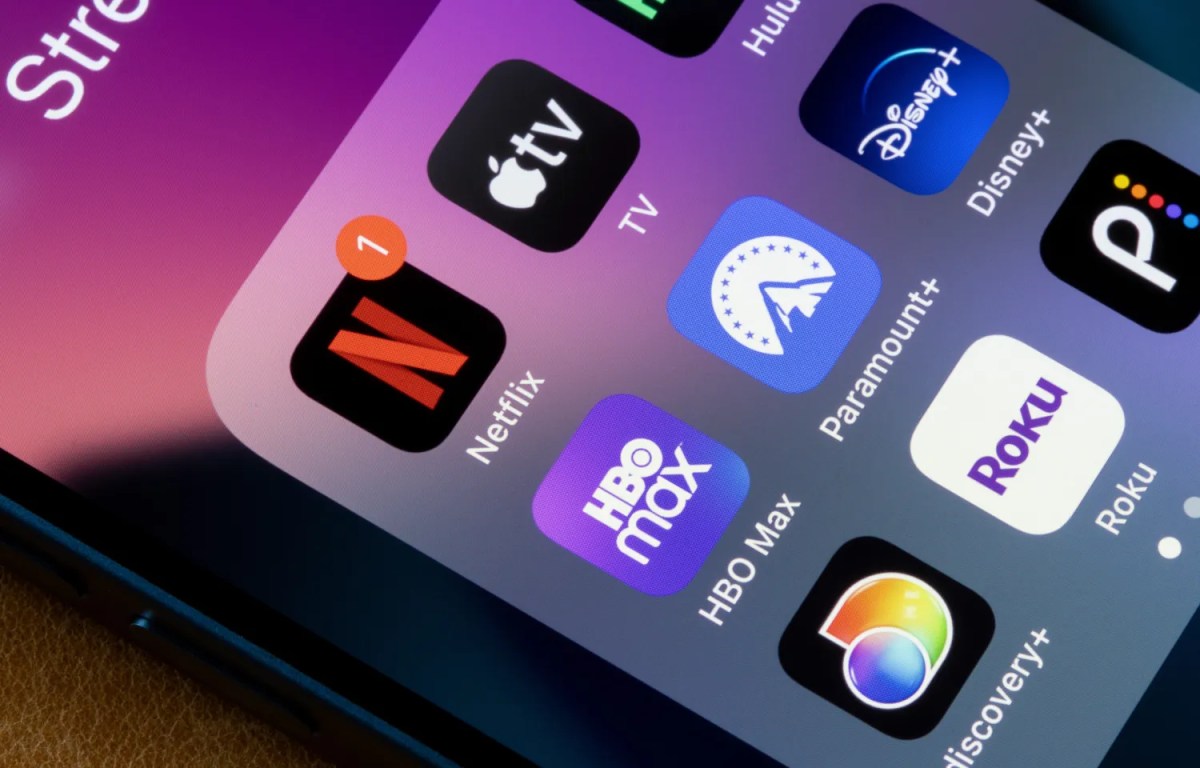
Peacock expands discovery by embedding content directly into YouTube.
Peacock is done chasing the competition through costly acquisitions. Instead, it's betting on reach, and a new deal with YouTube puts its content directly inside the platform where viewers already browse. That is a smart, accessible move for discovery. It removes friction, letting audiences stumble into shows without a detour. For a media landscape crowded with options, this feels like a practical step toward meeting viewers where they are.

Netflix's blueprint for scaling LLM inference across diverse hardware
Netflix's move to detail its in-house LLM serving platform is a practical look at the messy, real-world work of scaling AI. Supporting different model sizes, juggling hardware constraints, and keeping pace with fast-moving engines like Triton and vLLM isn't glamorous, but it's essential. The company's willingness to share these production lessons offers a grounded counterpoint to the usual hype. If you're wrestling with similar trade-offs, Netflix's account is worth your time, and our related article on distributed training algorithms pairs well with it.

Imagi secures $4.5M to help students build with AI and code
Imagi has raised $4.5 million in seed funding to teach students how to vibe code, with Brighteye Ventures, Day One Capital, and artist Will.i.am among the investors. That backing signals real momentum for a platform built around creative, hands-on coding. We like seeing education meet AI-native tools in a way that feels accessible, not intimidating. For more on how AI is reshaping technical infrastructure, Cloudflare's Blog Finds Performance Gains with EmDash, Its New CMS is worth a read.

ServiceNow invests $40 million to bring AI-native banking software worldwide
ServiceNow's $40 million investment in Indian banking software specialist BusinessNext signals a deliberate move to deepen its financial services expertise. The partnership positions BusinessNext to scale its AI-powered banking tools globally, with ServiceNow providing the strategic weight to make that expansion credible. It's a smart bet: banking runs on legacy systems, and AI-native tools are the clearest path forward. For readers tracking how AI reshapes established industries, this mirrors themes from our piece on Cloudflare's EmDash migration, where purpose-built technology quietly displaces older infrastructure.

SoundCloud brings Nina Protocol's indie music tools into its ecosystem
SoundCloud's acquisition of Nina Protocol, just months after the decentralized music platform shut down, is a smart move. It brings Nina's artists and editorial archive into the fold, giving independent musicians a more robust home for discovery. We see this as a natural extension of SoundCloud's support for creators, not a desperate grab. The tools Nina built were built for community, and that ethos aligns well.