practical guide
practical guide at Beyond Market Intelligence is a file of 9 stories. The newest of them: “Designing the System That Lets AI Models Deliver Real Features”, “Strengthen churn and CLV models with the untapped signal in your text data”, and “Explore How OpenAI's Decisions API Can Reshape Your Data Workflows”. An AI coding agent can write a function in seconds, but that's the easy part. Your churn and CLV models are leaving signal on the table. Acme AI is the next-generation, AI-powered spreadsheet platform built to replace Excel and redefine how analysts, data scientists, and enterprise teams work… The list below is every practical guide story on Beyond Market Intelligence, newest first.
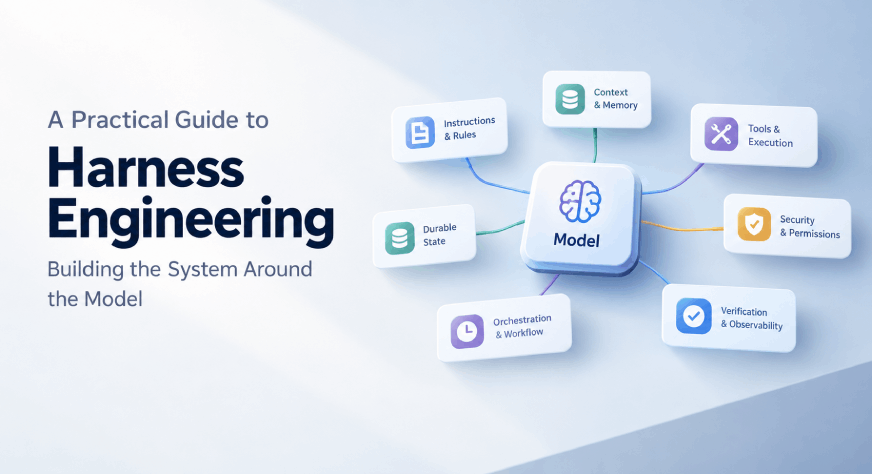
Designing the System That Lets AI Models Deliver Real Features
An AI coding agent can write a function in seconds, but that's the easy part. Building a real feature requires understanding the project, finding the right files, using tools safely, and verifying the changes work. A model alone sees only text, it needs a system around it. This is the practical work of harness engineering. For a deeper look at what happens when that system falters, see our related piece on how agentic AI demands smarter governance to tame silent failures.
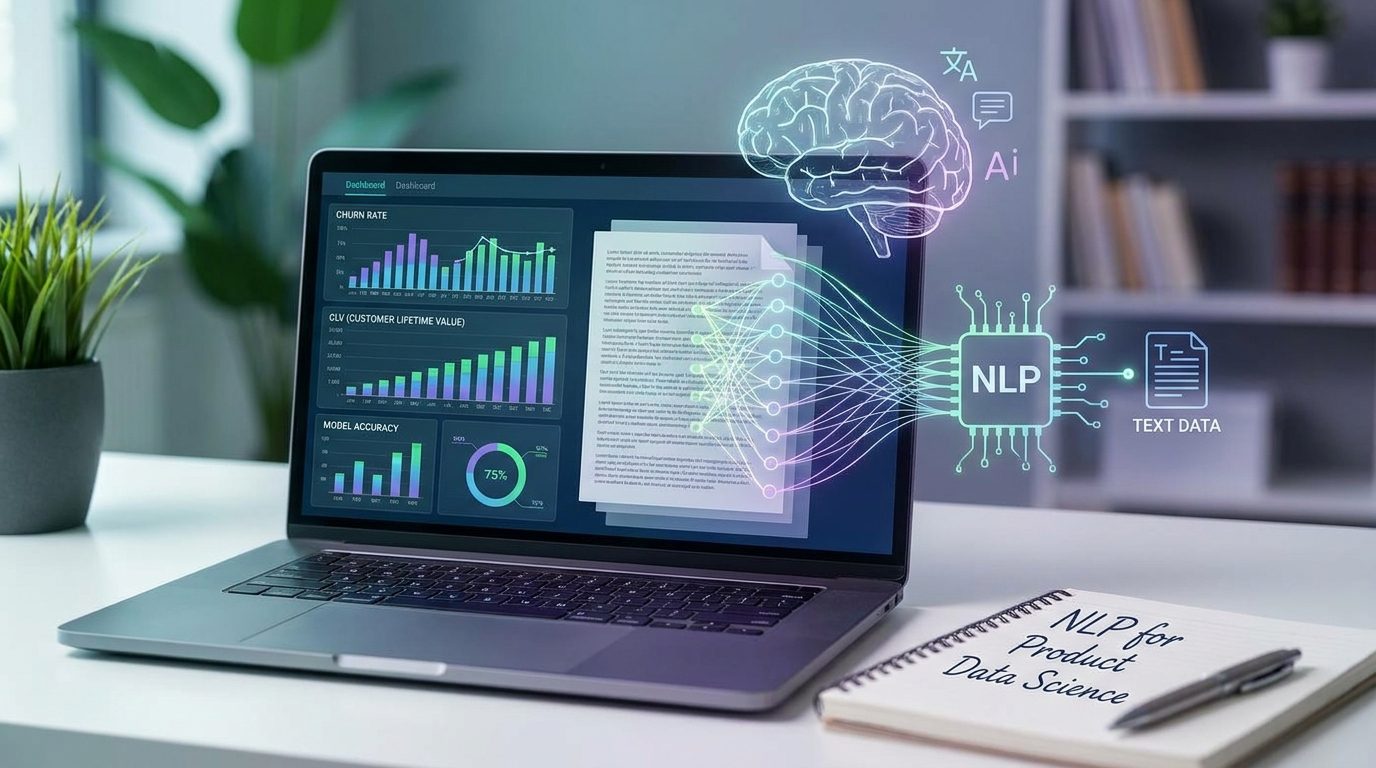
Strengthen churn and CLV models with the untapped signal in your text data
Your churn and CLV models are leaving signal on the table. The text your customers generate, support tickets, reviews, product feedback, carries insights that structured data misses. This practical guide shows how to fold that untapped language into traditional models without overhauling your stack. It's about making your predictions sharper with what you already have. For a related look at how wasted effort skews results, our coverage of 50,400 agent runs pairs well with this approach.

Explore How OpenAI's Decisions API Can Reshape Your Data Workflows
If you're still treating AI agents like chat bots that occasionally call a function, OpenAI's new Decisions API suggests a more intentional path. This practical guide walks through how a decision-first model lets you define, constrain, and audit every tool call before it executes, turning reactive workflows into deliberate, auditable processes. It's a genuine step toward production reliability. For deeper context on agent stability, our piece on "Six Architectural Patterns for Scaling Reliable AI Agents" pairs well here.
Claude Sonnet 5.5 Delivers Faster Coding Smarter Agentic Workflows and Practical Cost Controls
Claude Sonnet 5.5 is the middle child of the Claude family, and that is precisely why it matters. This is the model most people will actually use, quick, capable, and cheap to run. Our practical guide covers what changed, the benchmarks that matter, and the cost controls developers should not miss. We also built one hands-on demo worth your time. For deeper context on Anthropic's broader trajectory, see our related piece on the company's own prospectus warning of existential risk and massive losses.

Discover how to guide AI agents toward code you can trust
Writing code with AI agents is about more than generating lines faster. It's about steering the output toward quality. This practical guide cuts through the noise, showing you how to work with these tools to get better code, not just more of it. We appreciate the focus on real workflows over hype. For a deeper look at the underlying mechanics, you might also explore our piece, "Unlock LLM Training: A Practical Guide to Distributed Algorithms."
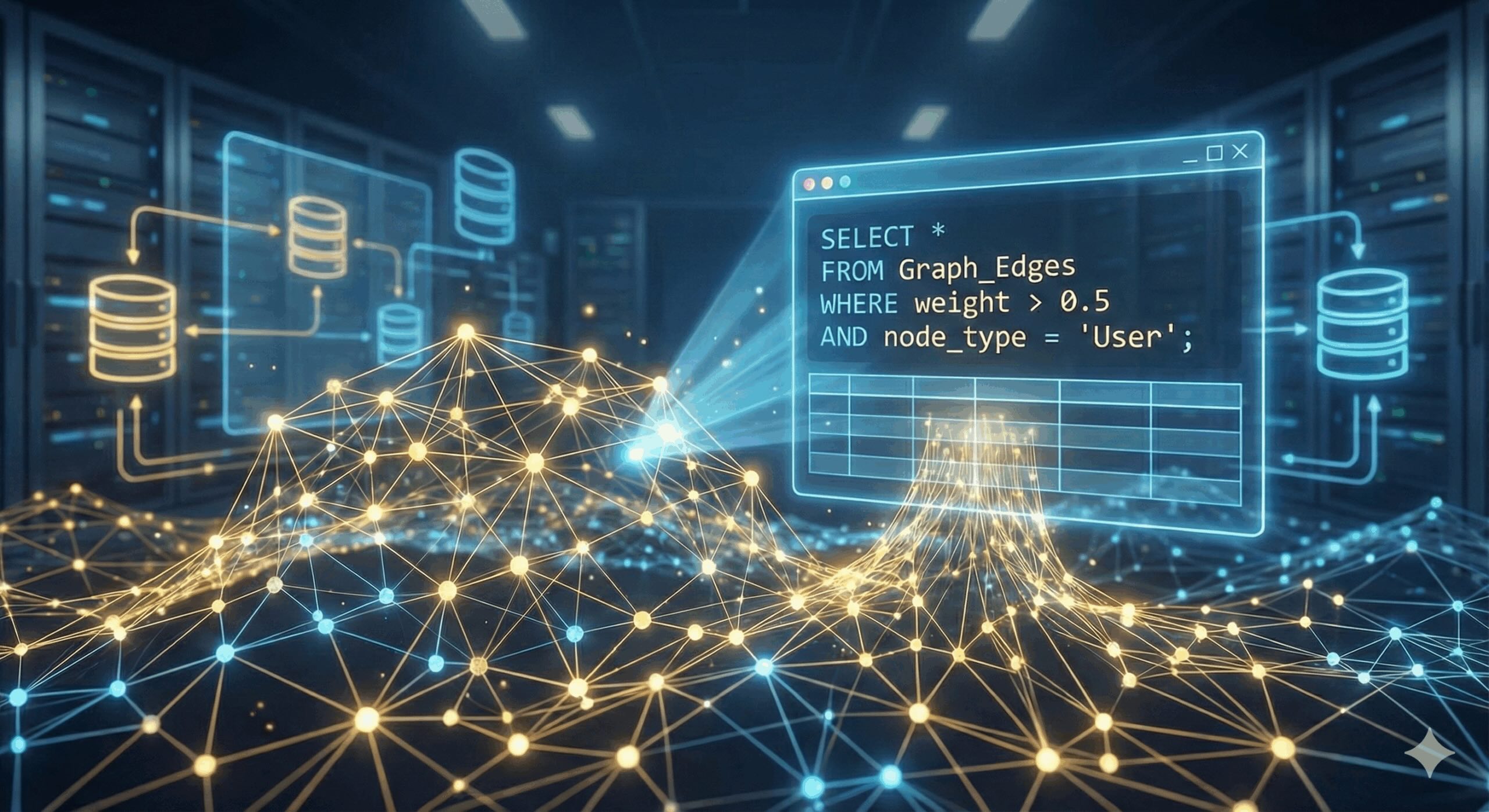
Explore how recursive CTEs simplify graph traversal in SQL.
Most of us treat SQL as a tool for flat tables, but recursive CTEs unlock something far more interesting: the ability to traverse relationships directly in your database. This guide shows how to navigate hierarchies, detect cycles, and even calculate degrees of separation without leaving SQL. It's a practical, empowering look at a hidden capability. If you're ready to move beyond simple queries, this is your entry point.
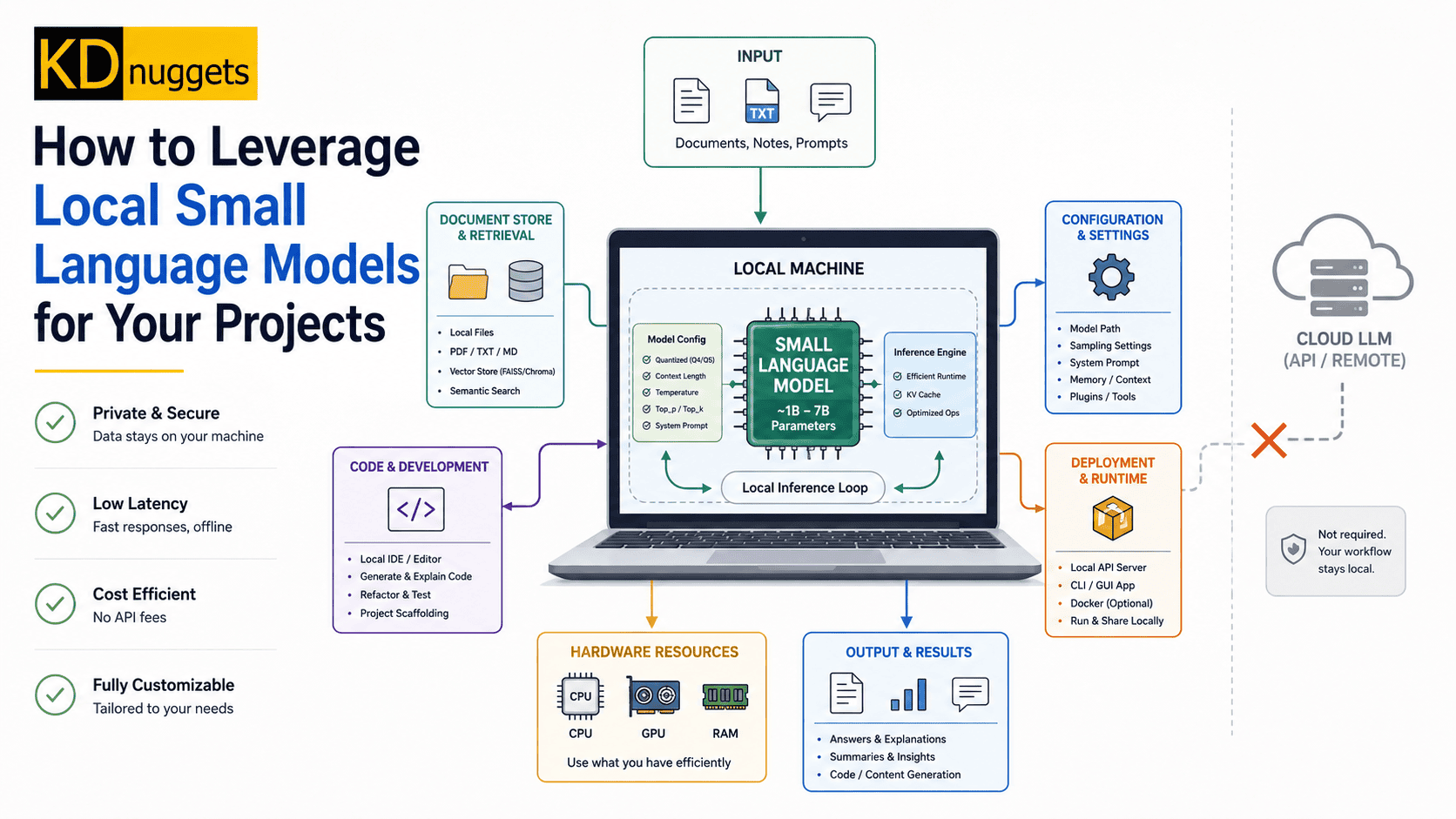
Unlock Faster AI by Running Small Language Models on Your Own Hardware
Local small language models let you run capable AI without sending your data anywhere. That is the practical appeal: privacy, lower cost, and direct control over your own hardware. This guide walks through the real steps to get them working, and we think the payoff is worth exploring. If you are curious about the broader challenges of distributed systems, our piece on unlocking LLM training offers a useful companion. For now, start compact, stay efficient, and see what you can build.

Choosing Between LangChain and LangGraph for Smarter Agentic Workflows
Choosing between LangChain and LangGraph doesn't have to stall your agentic workflow. This guide cuts through the overlap to highlight four key differences, helping you match the tool to the task. It's a practical read for anyone tired of guessing which framework fits. We appreciate the clarity here, especially since it complements our earlier exploration of distributed training algorithms. If you're building systems that need structure, start with this breakdown. It's a straightforward step toward more intentional design.

Continuous Evaluation Keeps Your RAG Systems Reliable and User-Ready
A production RAG system isn't a set-and-forget deployment. It's a living thing, and like any living thing, it drifts. That's why this practical guide focuses on building an evaluation workflow that catches retrieval failures, hallucinations, and performance drift before they ever reach your users. It's about moving from hoping your system works to knowing it does. For those ready to go deeper into the underlying mechanics, our guide on distributed training offers a solid foundation. But start here, where trust is built continuously.