preferences
6 stories filed under preferences on Beyond Market Intelligence. The newest of them: “Give your AI agent lasting memory across conversations and context”, “Netflix's new AI tab turns your mood into a recommendation”, and “Yelp's AI now calls restaurants for you to get real-time wait times”. Memory is the missing piece for agents that feel truly intelligent. Netflix now has an AI tab, and its first experimental feature reads your mood before suggesting what to watch. Acme AI is the next-generation, AI-powered spreadsheet platform built to replace Excel and redefine how analysts, data scientists, and enterprise teams work… The list below is every preferences story on Beyond Market Intelligence, newest first.
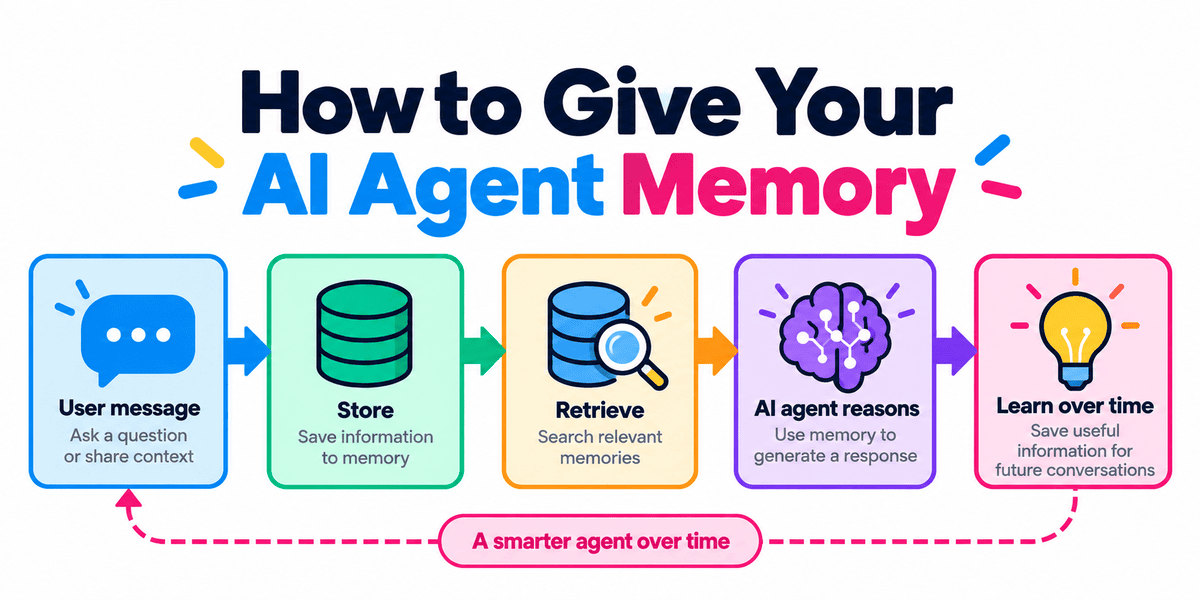
Give your AI agent lasting memory across conversations and context
Memory is the missing piece for agents that feel truly intelligent. Without it, every conversation starts from scratch. The OpenAI Agents SDK, combined with Mem0 and MCP, now solves that. You can give your AI agent lasting recall of preferences, context, and past decisions across sessions. It is a practical leap forward. For deeper guidance on building persistent memory, explore our related piece on using a single JSON file to give your agent long-term recall.

Netflix's new AI tab turns your mood into a recommendation
Netflix now has an AI tab, and its first experimental feature reads your mood before suggesting what to watch. That is a small idea with real weight: recommendation engines have always guessed from history, and asking how you feel right now is a more honest starting point. We like that it starts as an experiment rather than a promise. It fits a broader pattern of AI absorbing routine decisions, a theme we explored in "AI Takes Over Your Tasks, Opening Space for What Matters."

Yelp's AI now calls restaurants for you to get real-time wait times
Yelp's latest AI feature picks up the phone so you don't have to. The app now calls restaurants directly to ask about real-time wait times, then serves up personalized recommendations that remember what you actually like. It's a practical move that removes friction from a simple but tedious task. For anyone who has ever sat through a busy-signal loop, this feels like progress. Meanwhile, Tolan secured $30M to expand its AI companion, another sign that useful, human-centered AI is finding its footing.
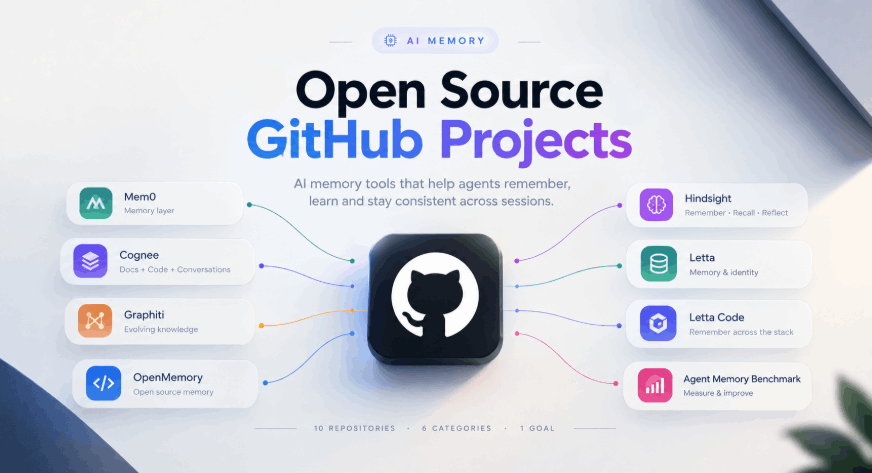
Explore Open-Source Tools That Give AI Agents Lasting Memory
AI agents handle enormous context windows, yet they still forget everything once a session ends. That gap is where memory systems step in, preserving facts, preferences, and task state so agents carry continuity across interactions. Open-source projects now tackle this through APIs, graphs, and portable state. We explore seven GitHub repositories that give AI lasting memory. For deeper context on how agents are evolving, our coverage of *Claude Sonnet 5.5* examines faster coding and smarter workflows.

Claude now remembers your preferences across every conversation
Claude Cowork no longer makes you repeat yourself. Anthropic is rolling out shared memory across chat and Cowork, so the context you provide in one place carries into the other. That means less time re-explaining project details and more time letting the work flow. It is a practical step toward tools that actually listen. For more on where AI interactions can get complicated, our piece "Talking to My AI Clone Taught Me to Question the Tech" offers a useful counterpoint.

Discover how AI matchmaking is transforming dating for a generation seeking connection.
Ditching the swipe feels less like a rebellion and more like a survival instinct. Gen Z is tired of treating romance like a card game, where the deck is stacked against genuine connection. Ditto's pivot to AI matchmaking is a smart response to that fatigue. It's not about novelty; it's about outcomes. For a generation that grew up with algorithms curating everything else, letting one find a match feels less like a gamble and more like a relief. Curious how this plays out?