processing
Beyond Market Intelligence keeps processing in one place: 7 stories so far. The section currently leads with “Tracing Every Tap: How LinkedIn Connects Member Actions Across Platforms”, “How neural triads of noun, verb, and conjunction can reshape data reasoning”, and “How Pinterest uses event time watermarks to finalize massive data partitions”. LinkedIn's new OpenTelemetry-based platform traces every tap, swipe, and click across iOS, Android, and web, then connects those actions to the backend services processing them. A single sentence like "the Siamese cat ate the mouse then died" hides a rich structure of relationships. Acme AI is the next-generation, AI-powered spreadsheet platform built to replace Excel and redefine how analysts, data scientists, and enterprise teams work… The list below is every processing story on Beyond Market Intelligence, newest first.
Tracing Every Tap: How LinkedIn Connects Member Actions Across Platforms
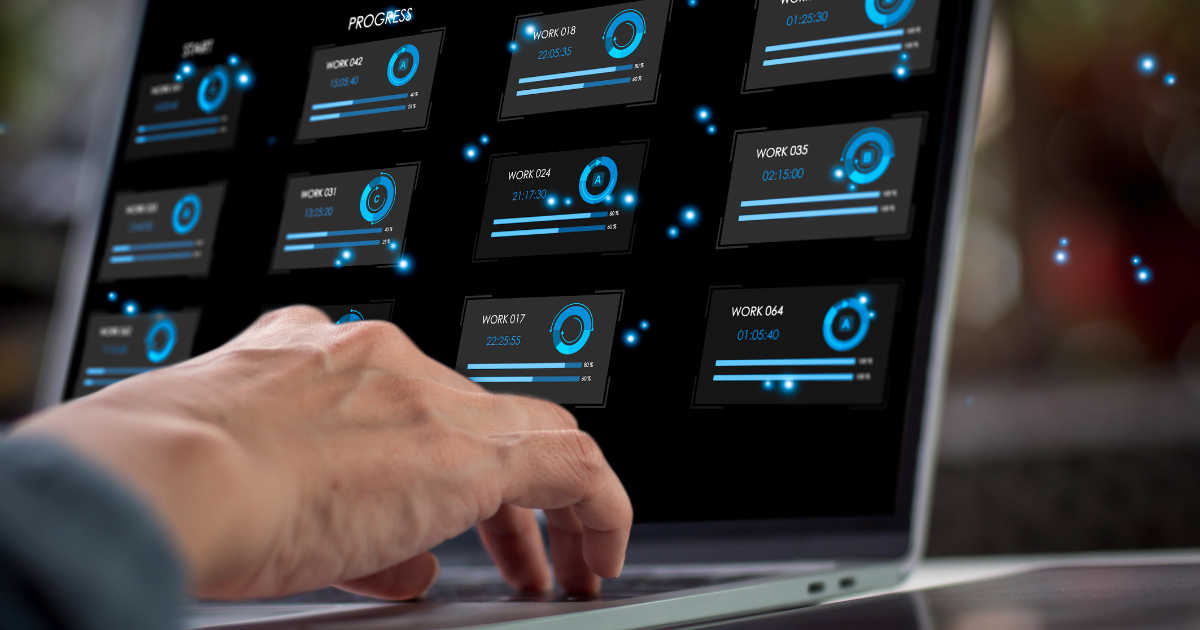
LinkedIn's new OpenTelemetry-based platform traces every tap, swipe, and click across iOS, Android, and web, then connects those actions to the backend services processing them. That's a lot of data moving in real time. But instead of drowning in complexity, LinkedIn built a system that makes sense of it all. For anyone feeling constrained by traditional monitoring tools, this is worth exploring. It shows how thoughtful telemetry can empower teams to understand user behavior without losing their minds.
How neural triads of noun, verb, and conjunction can reshape data reasoning
A single sentence like "the Siamese cat ate the mouse then died" hides a rich structure of relationships. By breaking it down into noun-verb-conjunction triads, (Null) Cat ate, also Mouse eaten, then cat died, we give neural networks a simple, structured internal language for reasoning. Each attention head holds one triad, forming a graph of interconnected thoughts that builds understanding incrementally, much like how we process a book sentence by sentence.
How Pinterest uses event time watermarks to finalize massive data partitions
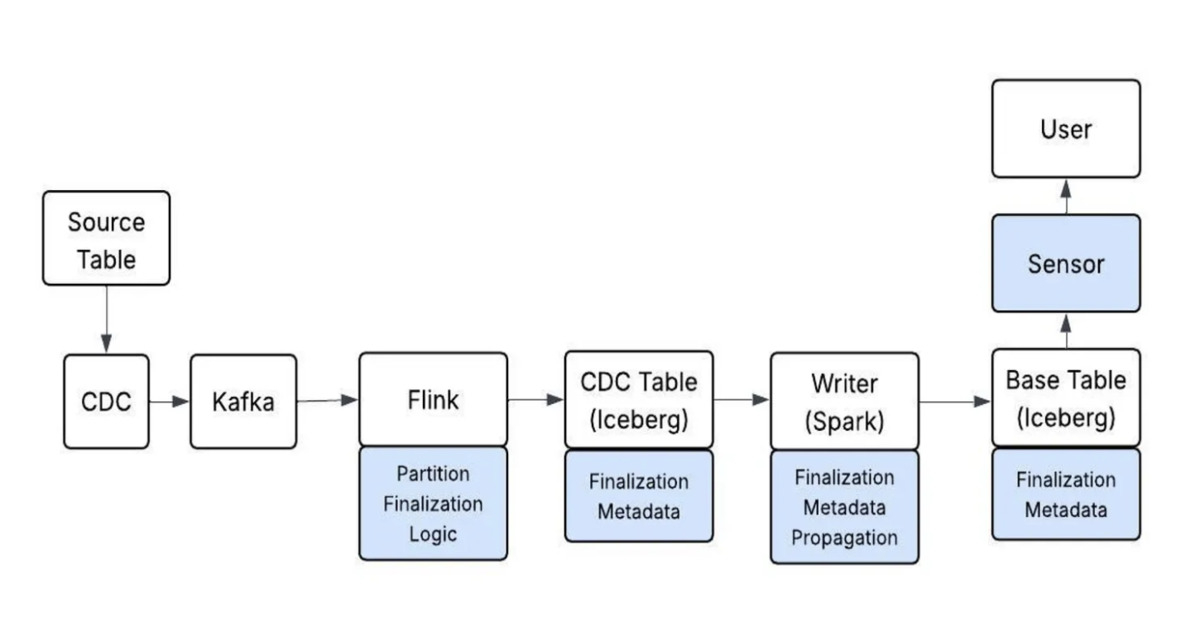
Pinterest's event time watermark approach is a smart answer to a real data problem. By using Apache Flink to track event time and Apache Iceberg metadata to publish a non-regressing watermark, downstream jobs finally know when continuously ingested CDC data is complete enough to process. It's a practical solution that removes guesswork from massive partition finalization. Readers exploring AI-driven infrastructure might also appreciate how Meta brings private AI processing to smart glasses.

Dropbox's Riviera Platform Expands to Power AI Workflows at Scale
Dropbox has quietly turned Riviera into something far more useful than a file preview tool. The platform now processes over 300 formats and 100 transformation capabilities, handling hundreds of thousands of operations per second. That scale matters for teams feeding AI workflows that need reliable, asynchronous content extraction. Riviera's expansion into Search, Sign, and Dash shows a clear understanding of what modern data work demands. If you're navigating similar infrastructure decisions, our piece on real-world computer vision deployments offers practical context worth exploring.
When Spreadsheets Fight Back, It's Time to Explore a Smarter Path
Fourteen years in finance, and suddenly Excel stops responding to clicks, closes the wrong workbook, and lags on everything. That's what u/snakesnake9 reports across an entire corporate team, all on a standard Microsoft subscription. This isn't a hardware hiccup; it's a software regression that's quietly murdering productivity. For all the buzz about futuristic tools, sometimes the most impactful fix is simply making the core work again. It's a stark reminder that reliability is the real innovation.
5 Python scripts to simplify your CSV workflows
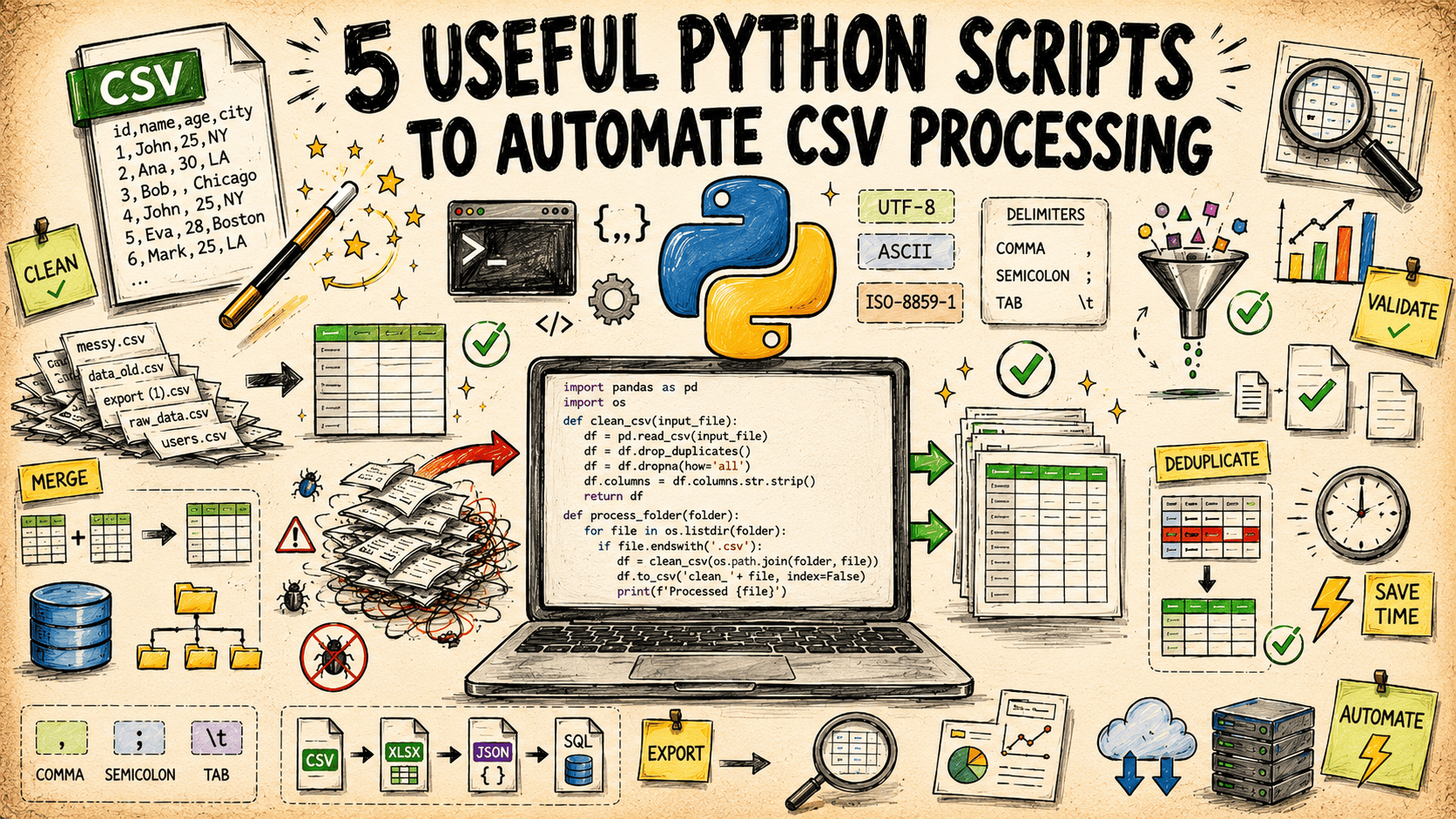
Cleaning a messy CSV by hand is a slow drain on your day. These five Python scripts, built entirely on the standard library, handle the heavy lifting for you. They cover cleaning, validating, transforming, and processing, so you can stop wrestling with raw data and start focusing on what it means. It is a practical, no-fuss approach to automation. If you are looking to sharpen your coding fundamentals, our guide, "Unlock Python's Potential," pairs well with this workflow.
Speed up pandas workflows with smarter, faster DataFrame processing.
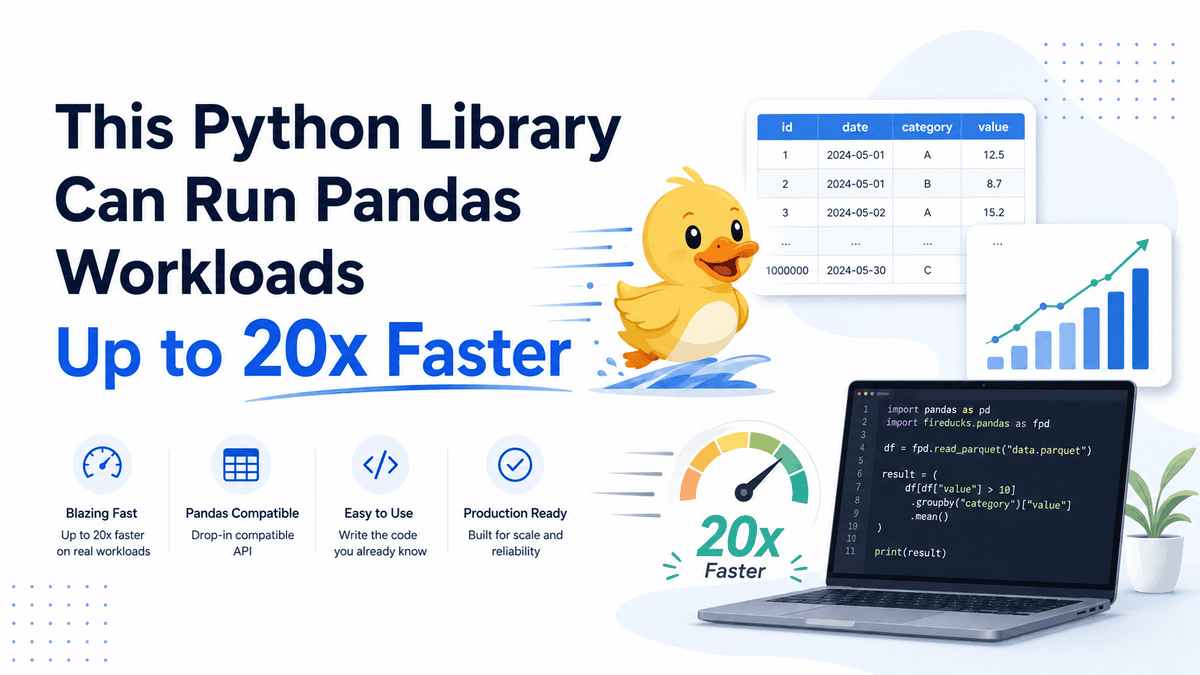
If you've ever watched a pandas script crawl through a DataFrame, you know the frustration. FireDucks takes that same workload and runs it up to 20 times faster. It achieves this through lazy execution, compiler optimization, and multithreaded processing, turning what feels like waiting into near-instant results. We find that shift genuinely exciting. For those ready to push their Python skills further, our guide on advanced coding techniques pairs perfectly with what FireDucks makes possible. Explore the benchmark and see the difference for yourself.