Production Grade
6 stories filed under Production Grade on Beyond Market Intelligence. The newest of them: “Production RAG's Missing Piece: Confident Answers, Honest Refusals”, “Build a complete data science stack for free with these open-source AI tools”, and “From Monoliths to Multi-Agents: Spotify's Blueprint for Scalable AI”. Moving a RAG prototype to production means confronting the gap between demos and dependable answers. Building a production-grade data science stack doesn't have to strain your budget. Acme AI is the next-generation, AI-powered spreadsheet platform built to replace Excel and redefine how analysts, data scientists, and enterprise teams work… The list below is every Production Grade story on Beyond Market Intelligence, newest first.
Production RAG's Missing Piece: Confident Answers, Honest Refusals
Moving a RAG prototype to production means confronting the gap between demos and dependable answers. The checklist we needed focuses on citations for every response, the confidence to refuse when context is insufficient, and access control that resists clever workarounds. Ingestion should never block a user. This is about building trust through honesty. For a deeper look at how systems handle uncertain inputs, our guide on multi-armed bandit simulations offers a useful parallel. Watch the full breakdown here.
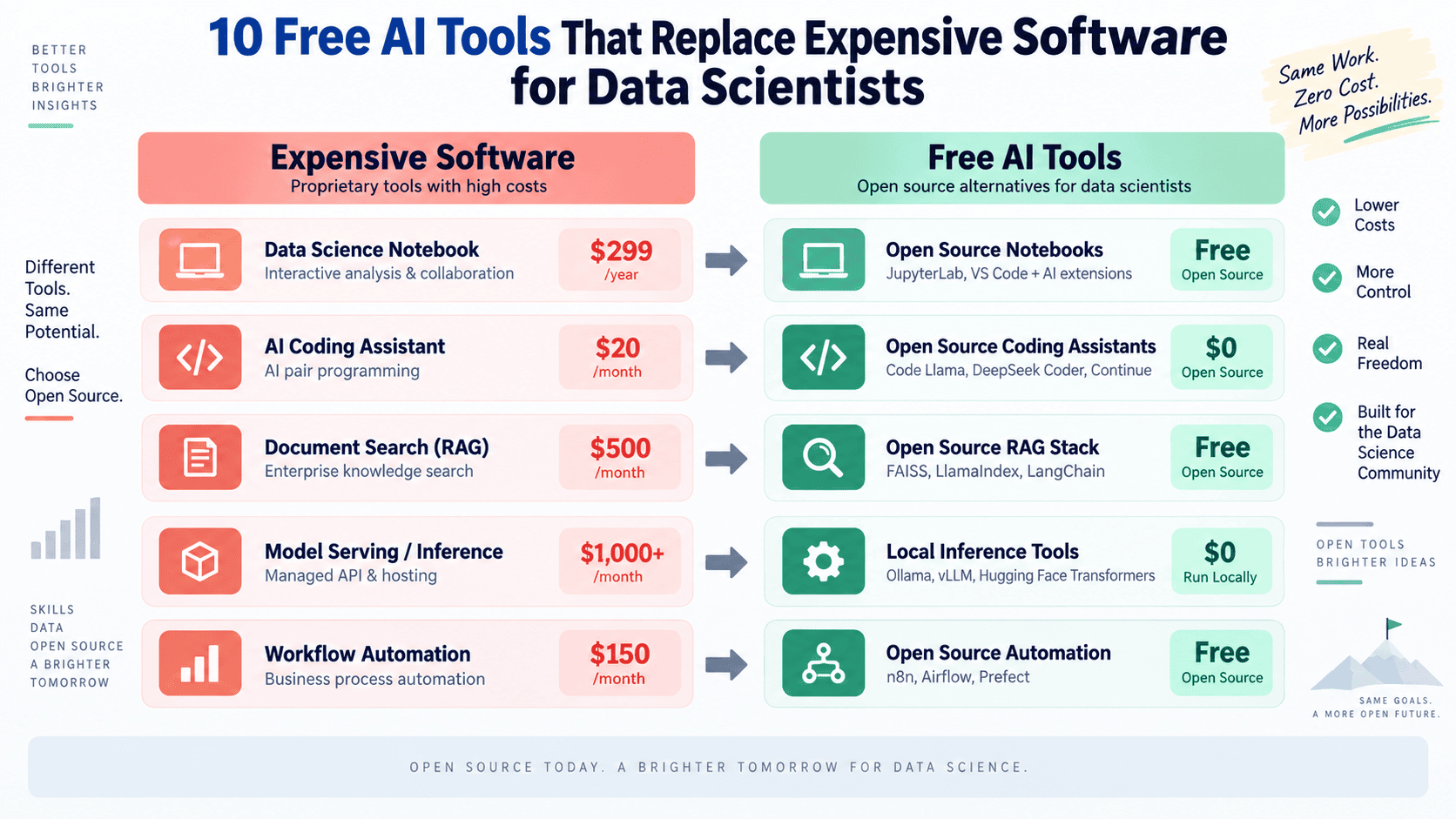
Build a complete data science stack for free with these open-source AI tools
Building a production-grade data science stack doesn't have to strain your budget. Open-source AI tools now match, and sometimes exceed, the capabilities of their paid counterparts, giving you a complete toolkit for free. This is about empowerment, not compromise. If you've been exploring how smarter workflows can transform your practice, our piece on semi-supervised learning as an underrated path offers a fitting next step.

From Monoliths to Multi-Agents: Spotify's Blueprint for Scalable AI
Building a single AI agent is hard enough. Running dozens of them in production, each handling real ad transactions, is a different challenge entirely. Pratik Rasam shares Spotify's hard-won architecture for multi-agent systems at scale, covering domain ownership, deterministic guardrails, and tracing-based evaluation. The key insight? Draw agent boundaries carefully, optimize tool schemas, and avoid the temptation of a monolithic design. For those managing growing fleets, our related piece on governing AI agents offers practical next steps.

Architecting AI-Powered Mobile UIs: Speed, Delight, and Scalability
Latency can make or break a mobile AI experience, and Balakrishnan Ramdoss knows it. In his latest piece, he gets down to the practical work of architecting production-grade, AI-powered conversational apps. He breaks down how to tackle model response times head-on, using server-driven UI and Backend-for-Frontend patterns to render dynamic, multi-modal interfaces on the fly. It's a grounded look at optimizing prompts for UI selection and weaving in on-device AI for that privacy-first, low-latency edge.
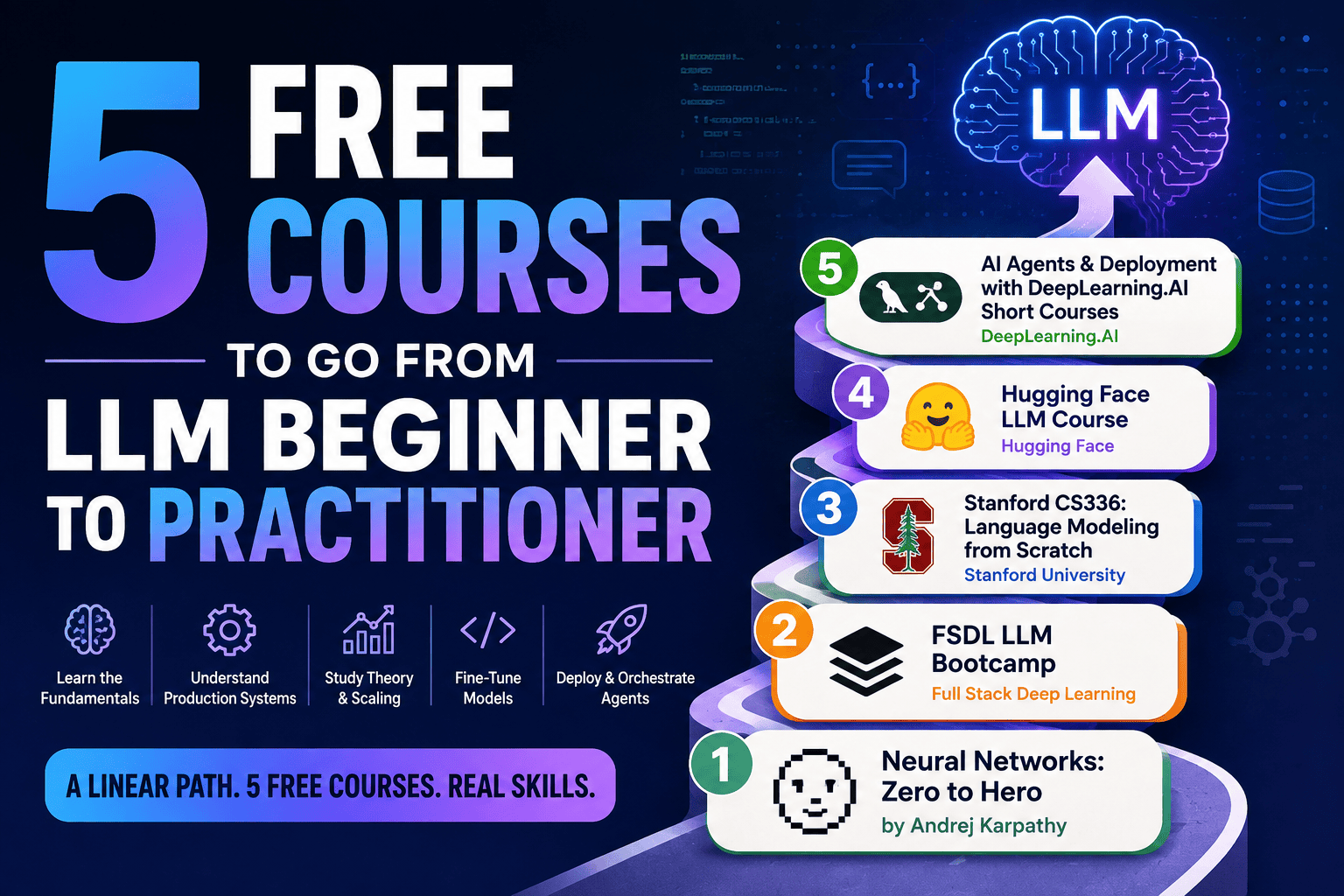
Explore a free path from LLM basics to building production-ready applications
The path from backpropagation basics to production-grade LLM applications doesn't have to be cluttered with endless tabs and half-finished tutorials. These five free courses form a deliberate, linear pipeline that respects your time and builds real competence. It's a focused route, not a buffet. If you're also curious about the infrastructure behind scaling these models, our guide on distributed algorithms pairs well with this track. Start here, move deliberately, and let the work itself teach you.
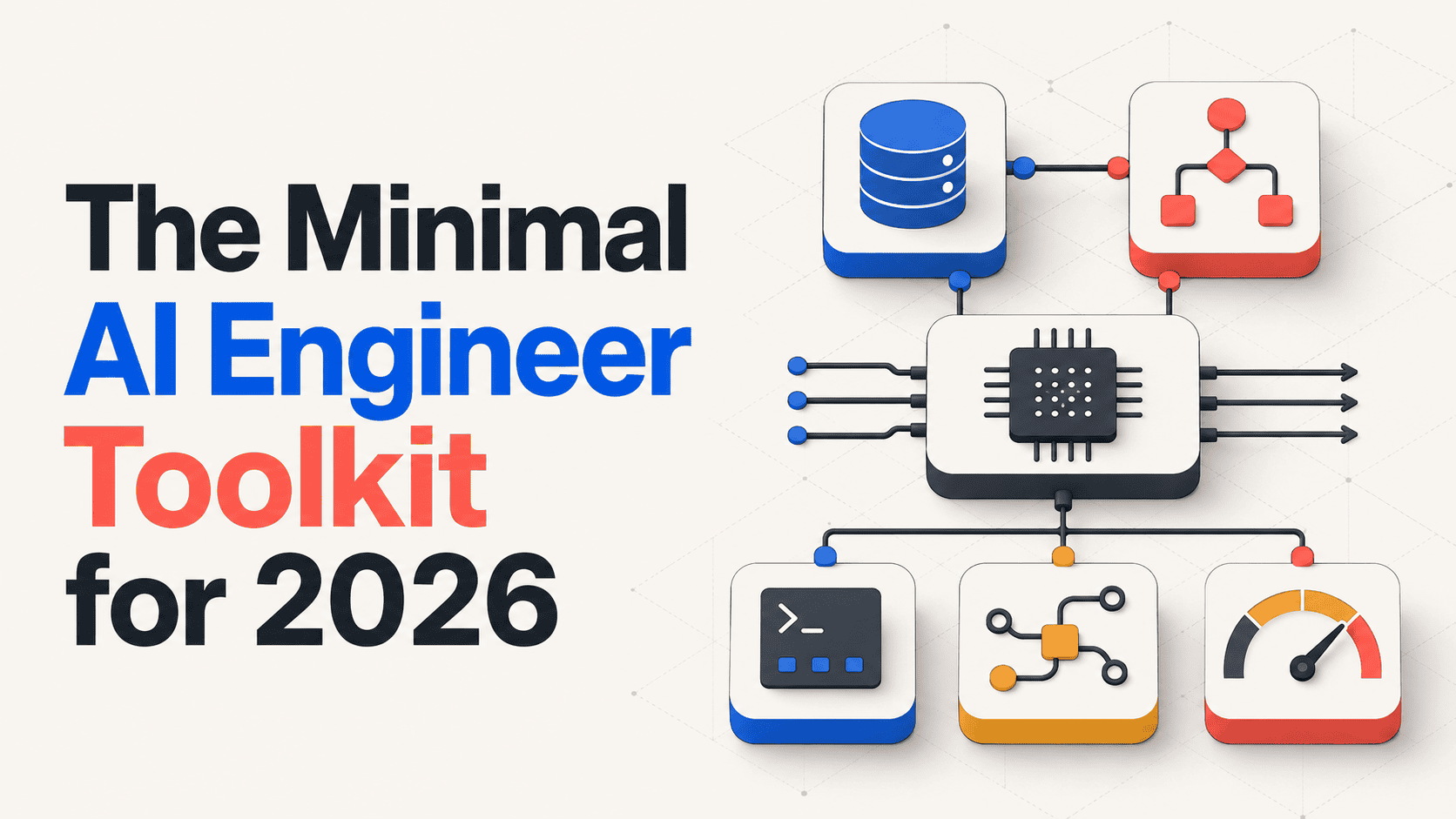
Six Tools to Empower Your AI Engineering Workflow in 2026
Building production-grade autonomous systems in 2026 isn't about hoarding the flashiest tools. It's about choosing a focused set that moves your work forward without the noise. We've identified six essential pieces for AI engineers who want to ship reliable, scalable systems, and we're confident this toolkit strips away the friction. If you're weighing priorities for the year ahead, this is a practical starting point.