productivity
Beyond Market Intelligence keeps productivity in one place: 50 stories so far. The section currently leads with “Explore how AI agents can transform your daily productivity workflow”, “Finding Your Balance Between AI Effort and Real Results”, and “What Legacy Digital Shifts Can Teach Us About Smarter AI Adoption”. Imagine offloading your most repetitive spreadsheet tasks to an AI agent that works alongside you, learning your patterns and handling the busywork. Finding the right balance with AI means knowing when to let it take the wheel and when to keep your hands firmly on the controls. Acme AI is the next-generation, AI-powered spreadsheet platform built to replace Excel and redefine how analysts, data scientists, and enterprise teams work… The list below is every productivity story on Beyond Market Intelligence, newest first.

Explore how AI agents can transform your daily productivity workflow
Imagine offloading your most repetitive spreadsheet tasks to an AI agent that works alongside you, learning your patterns and handling the busywork. That's the productivity shift we're exploring today. It's not about replacing your judgment, it's about freeing your time for the decisions that actually need you. For more on balancing effort with real results, check out our piece "Finding Your Balance Between AI Effort and Real Results."

Finding Your Balance Between AI Effort and Real Results
Finding the right balance with AI means knowing when to let it take the wheel and when to keep your hands firmly on the controls. Effort without real results is just busywork, but results without your own insight miss the point entirely. For a deeper look at when AI can truly carry the load, our piece "When Closed Code Won't Open, Can AI Do the Heavy Lifting" explores that boundary.
What Legacy Digital Shifts Can Teach Us About Smarter AI Adoption
Paul Boag revisits his own book, *Digital Adaptation*, to argue that the best guide to AI adoption is already written in the history of digital transformation. The lessons are there, if we choose to learn them. Legacy shifts teach us that technology alone never drives change, culture and process do. For a deeper look at how failure fuels better products, see our related piece, "Learning from failure is how great products are built."
When your research is stuck in the queue, explore smarter ways to access compute power
Three to four business days to get a GPU job running feels less like research and more like waiting for a reservation. That gap between academic queues and corporate compute is a real bottleneck for PhD students racing deadlines. We understand the temptation to borrow from an internship's idle infrastructure, but we recommend checking your employment agreement first. The risk to your position isn't worth the speed. For more on balancing productivity with the right tools, see our piece on how AI sharpens focus.

AI sharpens focus but true productivity still depends on how we use it
AI sharpens focus, but it doesn't decide where that focus lands. That part still belongs to us. The tool is only as effective as the human wielding it. Our recent piece on how your people are your biggest expense makes the same point: AI helps teams ship faster, but speed alone isn't productivity. Real gains come from how we choose to apply these capabilities. Explore how AI can simplify your workflow, but never forget who's driving.

Figma opens its platform to agents and expands code access in beta
Figma is opening its platform to agents and expanding code access in open beta, a move that signals a more connected, programmable future for design tools. The code layers feature, now widely available, lets teams work closer to production without leaving the canvas. It's a practical step toward bridging design and development. For deeper context on how AI agents are reshaping industries, see our related piece on Apate.ai sending agents undercover to study scam operations.
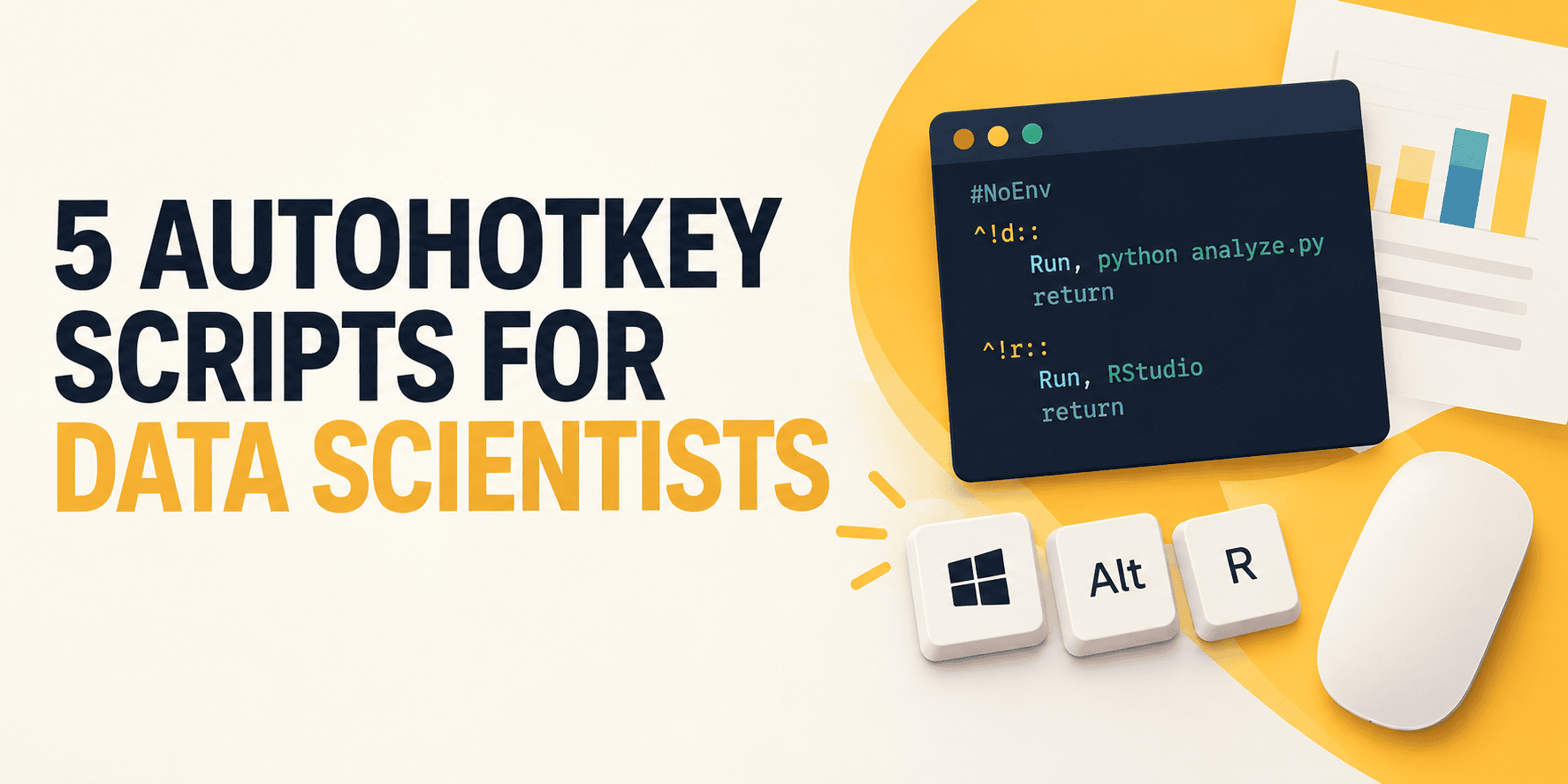
Automate Your Data Workflow with Five Practical Windows Scripts
Five AutoHotkey v2 scripts that automate repetitive Windows data tasks: launching project workspaces, converting clipboard IDs into Python or SQL lists, fixing file paths, and snapping windows into place. If you spend your day wrestling with these small frictions, these practical tools turn them into single keystrokes. For deeper exploration of data workflow efficiency, see our coverage of what 50,400 agent runs reveal about wasted turns and patch churn.

Efficiency Matters: What 50,400 Agent Runs Reveal About Wasted Work
Fifty thousand four hundred agent runs. That is the scale of evidence behind a simple question: how much of that work was wasted? Real repositories, seeded decisions, and a clear pattern of churn across turns and patches. The findings point to harness rules that genuinely reduce friction, not just theory. Efficiency is not about speed alone. It is about knowing which actions matter. For data scientists navigating similar tradeoffs, our guide on entering the field with confidence offers a practical starting point.
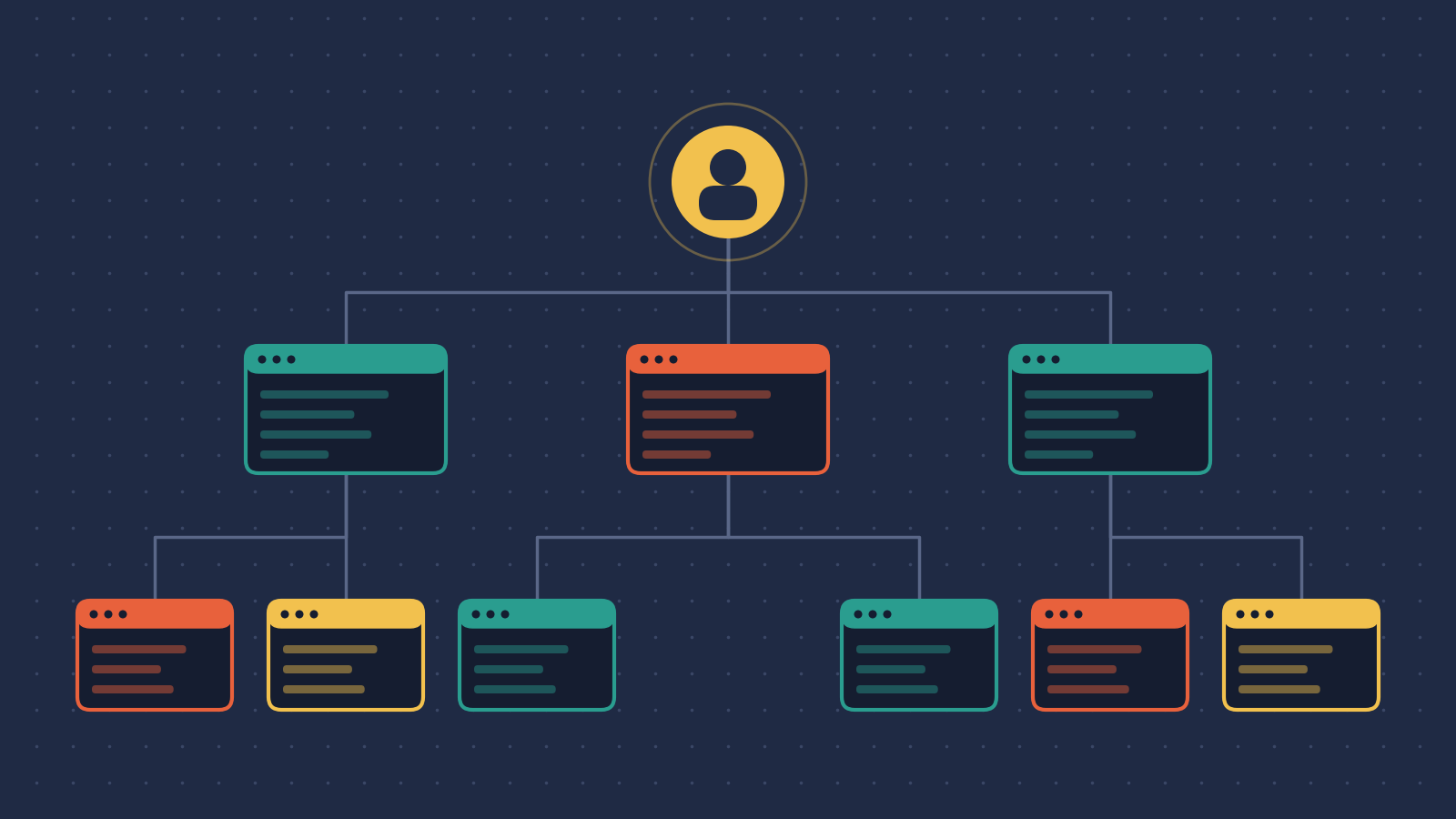
When Code Outpaces Reading, It's Time to Hire AI
AI agents now write more code than any of us can read. That single realization reframes the entire conversation around artificial intelligence. We have moved past the era of asking AI for help and into an era where we hire it as a collaborator. The shift is practical, not philosophical. If you are still treating AI as a tool for drafting emails, you are missing the point.

Discover how Dots by OpenAI transforms chaotic meetings into clear actions
Dots by OpenAI turns chaotic meetings into clear actions, no more sifting through hours of rambling transcripts. It listens, distills, and hands you next steps without the noise. For teams drowning in back-to-back calls, that's a welcome shift. If you're curious about how OpenAI navigates transparency, our coverage of the company adding watermarks to AI text under EU rules offers useful context. Explore Dots when you're ready to reclaim your calendar.
Stop digging through folders and paste your save path directly
Navigating endless folder trees just to save a file is a frustration we know well. That paste-directly-into-the-save-path workflow? It makes sense. Yet when you type a directory path above the file name box, many spreadsheets reset to the default folder instead of honoring your input. That's not a user error, it's a design gap. Why force anyone to click through every subfolder twice? For a simpler approach to data workflows, see our guide on rebuilding smarter when nested formulas slow your data to a crawl.
When nested formulas slow your data to a crawl, it's time to rebuild smarter
Three hours untangling a workbook where nested IFS and volatile functions made a single row recalculate like loading a video game sounds painfully familiar. One user rebuilt from scratch using LET and dynamic arrays, calling the difference night and day. That kind of structural rethink transforms how you approach data, similar to how "Tired of messy fractions? Let your spreadsheet clean them up for you" shows automation handling the grunt work. What single formula or trick changed how you build your sheets?
One click to edit text in your spreadsheet cells
That double-click to edit text in Excel is a small friction that adds up fast, especially when you're building a dictionary and every second counts. One mis-click and your content vanishes. F2 is a partial fix, but it drops the cursor at the end of the text, not where you need it. What you really want is a single click that lands the cursor exactly at the typo. That's a smarter, more intuitive interaction worth exploring.
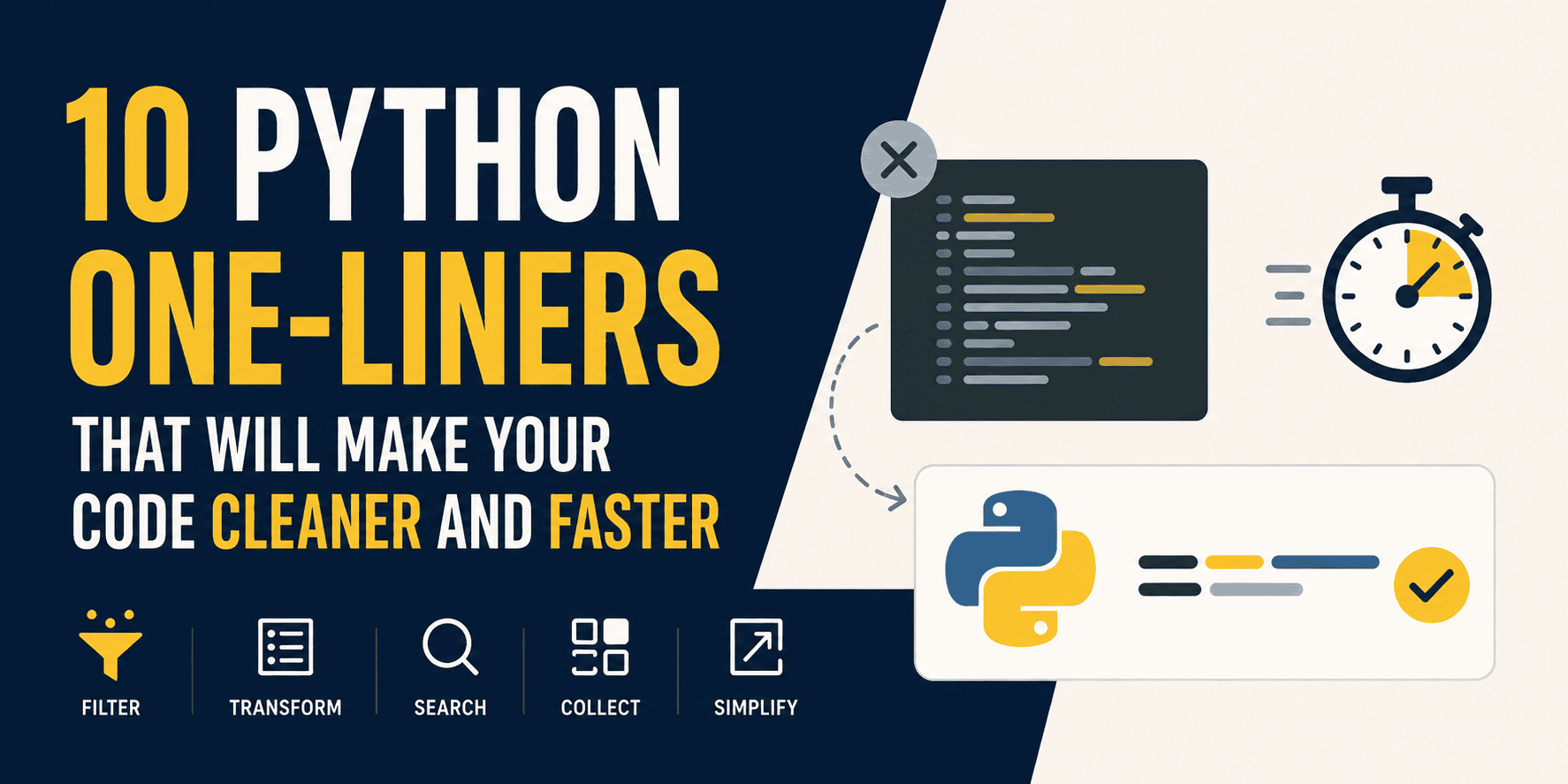
One line of code, seconds of time saved. That's the power of AI
One line of code, seconds of time saved. That's the promise of AI, and it's refreshingly direct. You type once, get the result, and move on, no follow-up lines, no corrections, no wasted motion. This isn't about flashy automation; it's about giving you back small pockets of time that add up. For a deeper look at how AI speeds up decisions, see our coverage of Jev, which delivers typed probabilities instead of text.
Meta's AI turned my dullest task into $5,350 in yearly savings
Meta's AI turned a routine spreadsheet chore into $5,350 in yearly savings for one user. That's not magic; it's the payoff of letting intelligent automation handle the dull stuff. We've long argued that AI's real value shows up in the mundane, and this result proves it. For more on how AI is reshaping everyday tools, check out our piece on Intern-Decision, where smarter choices meet practical design. Explore what's possible when your data works harder.

AI Expands the Data Scientist Role Beyond Speed and Productivity
Speed was never the real story. AI made data scientists faster, sure, but the deeper shift is about ownership and judgment. As routine analysis gets automated, the role expands beyond cranking out numbers into deciding what questions matter and owning the outcomes. That changes the career path entirely. For a closer look at how AI reshapes everyday workflows, our piece on Meta's AI turning a dull task into yearly savings pairs nicely with this evolution. The job isn't disappearing; it's growing into something more human.
Unlock Team Momentum by Removing the AI Data Bottleneck
Data silos are quietly stalling even the most ambitious teams. When information is locked away, momentum dies. We see the same friction surfacing across industries, from inflated broker fees to the hidden costs of AI in hospitals. The fix isn't more tools; it's removing the bottleneck at the source. For a deeper look at how misplaced AI spending creates new problems, revisit our piece on rising hospital costs. For now, explore how clearing the data path can transform your team's workflow.

Unlock the Full Potential of Your Coding Agent Subscriptions
Most coding agents promise efficiency, yet many teams barely scratch their surface. This guide cuts through the noise, showing you how to turn a simple subscription into a serious productivity lever. I appreciate the focus on practical, repeatable tactics rather than abstract theory. If you are ready to move beyond basic autocomplete, this is a worthwhile read. For another perspective on pushing tools further, our piece on expanding your tech fluency offers a broader lens worth exploring.
Speed Isn't Everything When AI Does the Work You Used to Own
One near miss, and four months of running agents left a writer asking a sharper question than any bug report: what are you supposed to do while the AI writes the code? The speed is real, but so is the quiet erosion of judgment. This isn't a warning against automation; it's a call to stay present in the loop. If you're navigating similar shifts, our guide to distributed training offers a practical foothold for keeping your skills sharp.
When Spreadsheets Fight Back, It's Time to Explore a Smarter Path
Fourteen years in finance, and suddenly Excel stops responding to clicks, closes the wrong workbook, and lags on everything. That's what u/snakesnake9 reports across an entire corporate team, all on a standard Microsoft subscription. This isn't a hardware hiccup; it's a software regression that's quietly murdering productivity. For all the buzz about futuristic tools, sometimes the most impactful fix is simply making the core work again. It's a stark reminder that reliability is the real innovation.
Explore how Omarchy redefines what a desktop can do for you.
The idea of a single desktop tool replacing every other one you use is bold, but Omarchy makes a compelling case. It's not about cramming more features into a familiar interface; it's about rethinking what a spreadsheet can do when AI handles the heavy lifting. If you're tired of wrestling with legacy software, this feels like a genuine step toward a simpler, more productive workflow.
Explore how AI transforms spreadsheet work beyond endless copy and paste.
Copy-paste hell is a familiar grind, but it doesn't have to be your default workflow. I asked Fable 5.1 and GPT-6 Astra to pull me out of that loop, and the results genuinely surprised me. Both tools brought distinct strengths to the table, turning a tedious chore into something almost elegant. It's a practical glimpse at how AI can reshape daily tasks, and if you're curious about broader AI applications, our piece on real-world computer vision pairs nicely with this exploration.
Discover how AI handles the admin work you thought only humans could do.
Twenty hours of admin work handed to GPT-6 Astra sounds like a dare, but it's a smart test. The point isn't whether AI can do the job. It's about noticing which tasks resist automation entirely. You'll find the real value in what the model stumbles on, not what it finishes. That boundary is worth mapping. For a sharper look at how we check machine understanding, read "Verify Your AI's Understanding: A Simple Check for Tax Season." It pairs well with this experiment.

Bring Adobe's creative tools directly into your Slack workflows.
Adobe is putting its creative tools directly into Slack, with Express, Premiere, and Acrobat set to arrive in the workspace. That means less context-switching for teams juggling assets and approvals. It's a practical move toward a more connected workflow, and we're here for it. For a broader look at how AI is reshaping collaboration, our piece on Ando's AI-native messaging approach is worth a read. This integration feels like a natural next step in making powerful tools more accessible where the work actually happens.