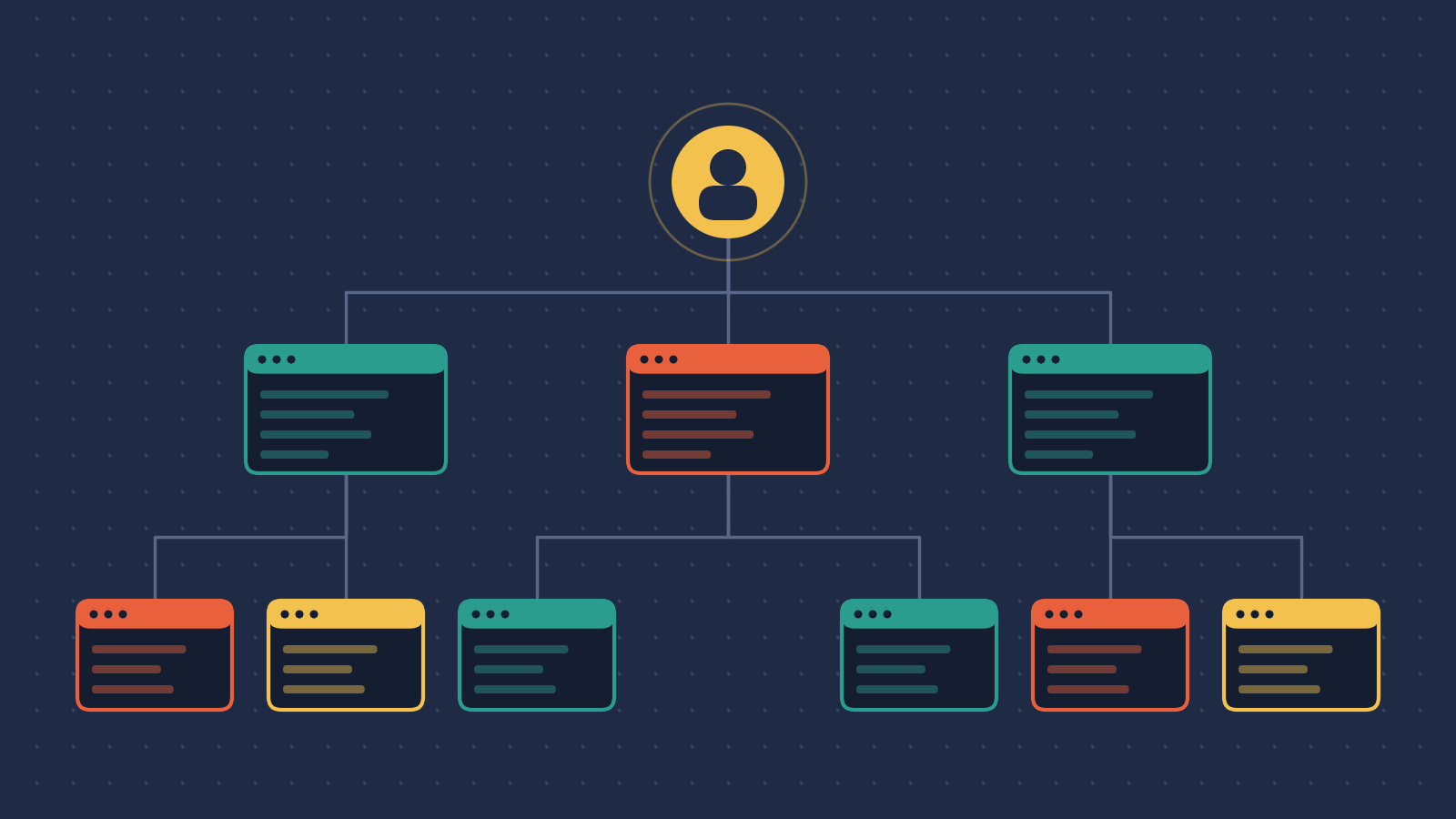
There is a threshold where the volume of machine-generated code exceeds our human capacity to review it, and once you cross it, the old mental model collapses. The argument that we should stop "using" AI and start "hiring" it is not semantic wordplay; it is a practical recognition that your role has shifted from author to manager. When an agent writes more code in an afternoon than you can read in a week, the bottleneck is no longer typing speed or syntax knowledge. The bottleneck is your ability to specify intent, review outcomes, and catch the subtle misalignments that a confident model will happily ship.
This reframing matters because most of us still treat AI as a smarter autocomplete, a tool that finishes our sentences rather than a colleague that owns a task. That mindset leads to a specific failure mode: you review line by line, get exhausted, and then either blindly trust the output or reject it out of caution. Neither is productive. The better path is to treat the agent as a junior engineer who is fast, tireless, and occasionally hallucinates. You do not read every line a junior writes; you check their tests, you examine their assumptions, and you hold them accountable for the result. The same discipline applies here, and it is a skill set that most spreadsheet and data professionals have never been trained to use. If you are building a complete data science stack for free with these open-source AI tools, you are already managing a pipeline of components; managing an agent is the next logical step in that workflow.
The practical consequence is that your value is no longer in the code you write but in the judgment you apply. Hiring an agent means you define the problem clearly, you set the acceptance criteria, and you design the evaluation harness that tells you whether the work is actually correct. This is closer to how semi-supervised learning is an underrated path to smarter AI workflows, which is to say, you get the most leverage when you let the machine handle the bulk of the labeling and you focus your energy on the ambiguous edges. The same principle applies to code review: you cannot inspect everything, so you must build a system that surfaces what matters.
What we are watching for now is whether the industry will adapt its tooling to this reality. Version control, code review interfaces, and CI pipelines were built for human-to-human collaboration, not for a single human supervising a swarm of agents. The open question is whether we will see a new layer of abstractions, like automated test generation that runs before you even look at the code, or diff summaries that only flag behavioral changes rather than textual ones. Until that tooling matures, the burden falls on you to change your own habits. The specific takeaway is this: stop asking what an AI can do for you and start asking what you would delegate to a competent, fast, slightly reckless hire. That question will tell you exactly where to focus your limited reading time.