pruning
pruning at Beyond Market Intelligence is a file of 3 stories. The newest of them: “A free guide to making ML models faster, from silicon to agents”, “Five Production Methods to Make Your LLM Leaner and Faster”, and “Unlocking LLM Performance Through Smarter Memory Management”. Performance engineering isn't just about reducing FLOPs. Every parameter in your model costs money, and too many of them mean your inference bill climbs with every prompt. Acme AI is the next-generation, AI-powered spreadsheet platform built to replace Excel and redefine how analysts, data scientists, and enterprise teams work… The list below is every pruning story on Beyond Market Intelligence, newest first.
A free guide to making ML models faster, from silicon to agents
Performance engineering isn't just about reducing FLOPs. Usamah Zakir spent months writing the guide he wished he'd had when starting out: *How to Make Your Model Fast*. It moves from silicon to agents, using roofline analysis to help you diagnose whether you're compute, bandwidth, or memory bound before optimizing. That systems-first thinking is rare and valuable. The whole thing is free and open source. If you're working on inference or edge AI, it's worth exploring.
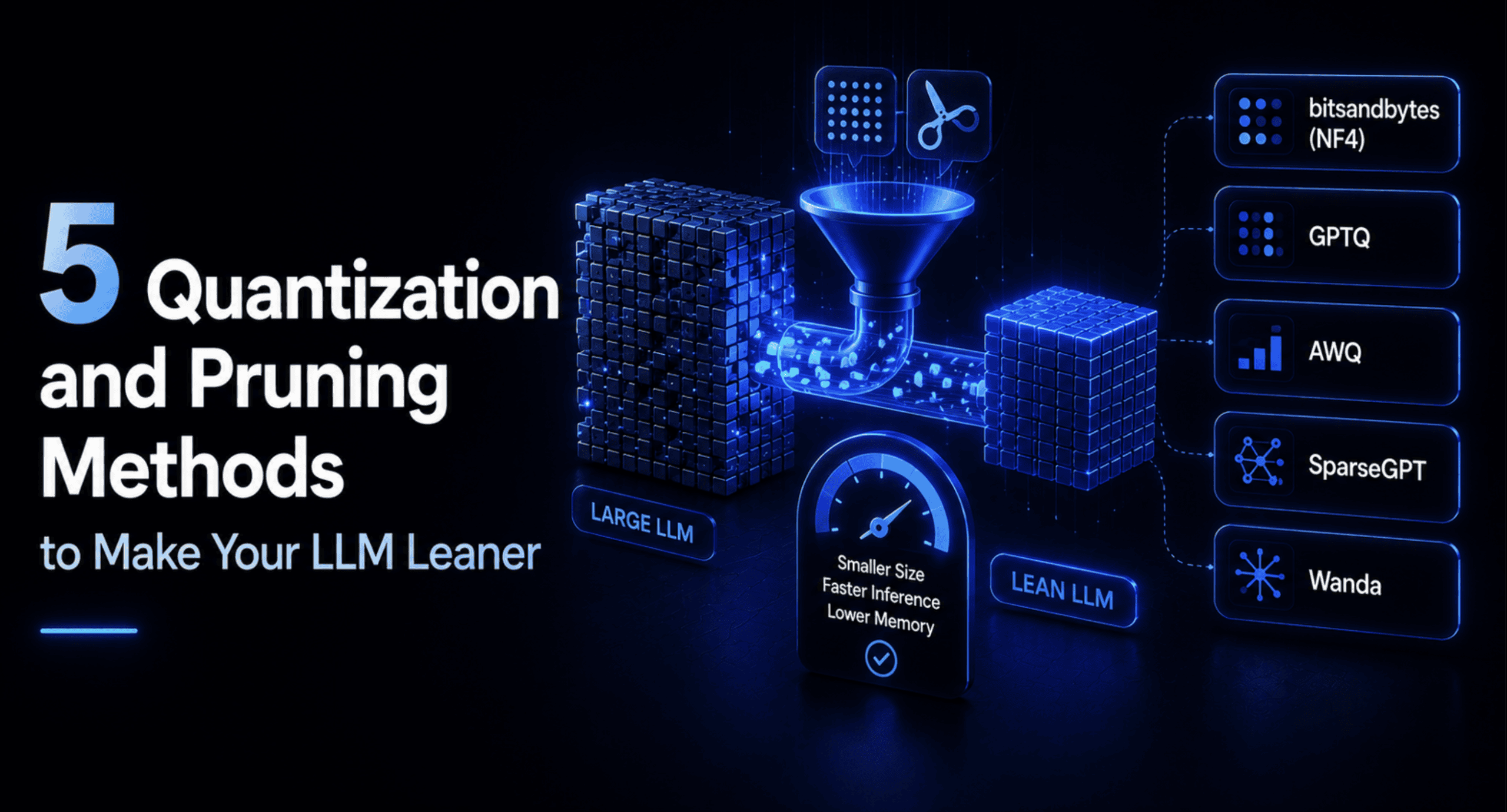
Five Production Methods to Make Your LLM Leaner and Faster
Every parameter in your model costs money, and too many of them mean your inference bill climbs with every prompt. Quantization and pruning are how you cut that weight without gutting performance, and skipping them leaves you paying for latency you do not need. Quantization and pruning cut model weight without gutting performance, and five production methods demonstrate how. If you are still unpacking how distributed systems shape model training, our guide to distributed algorithms pairs well with this one.
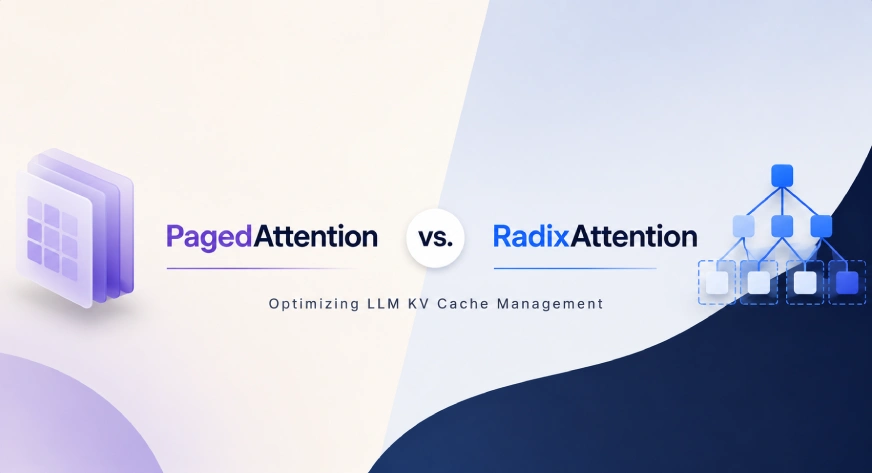
Unlocking LLM Performance Through Smarter Memory Management
KV cache memory can quietly decide whether an LLM deployment thrives or stalls. PagedAttention tackles fragmentation with smarter allocation, while RadixAttention targets prefix reuse. Both cut the GPU strain that limits concurrency and throughput. What stands out is how practical these optimizations feel. Production latency improves without demanding new hardware. For readers exploring how context shapes model behavior, our piece on agentic context learning pairs well with this discussion. It is a useful next step for understanding what makes modern LLMs efficient beyond raw architecture.