reliable
7 stories filed under reliable on Beyond Market Intelligence. The newest of them: “Move from isolated agents to shared team workflows that actually scale”, “Five Docker Containers That Power a Practical Home AI Lab”, and “Six Architectural Patterns for Scaling Reliable AI Agents”. Building an AI agent for yourself is one thing. Setting up a home AI lab sounds complex, but five Docker containers make it practical. Acme AI is the next-generation, AI-powered spreadsheet platform built to replace Excel and redefine how analysts, data scientists, and enterprise teams work… The list below is every reliable story on Beyond Market Intelligence, newest first.
Move from isolated agents to shared team workflows that actually scale
Building an AI agent for yourself is one thing. Making it a reliable tool for an entire team is a different challenge entirely. Shared access, permissions, and reusable workflows determine whether a single setup scales or dies on arrival. The best platforms for 2026 are those that solve this coordination problem directly. For those curious about how local models fit into this equation, our guide to Five Local AI Models offers a practical companion read.
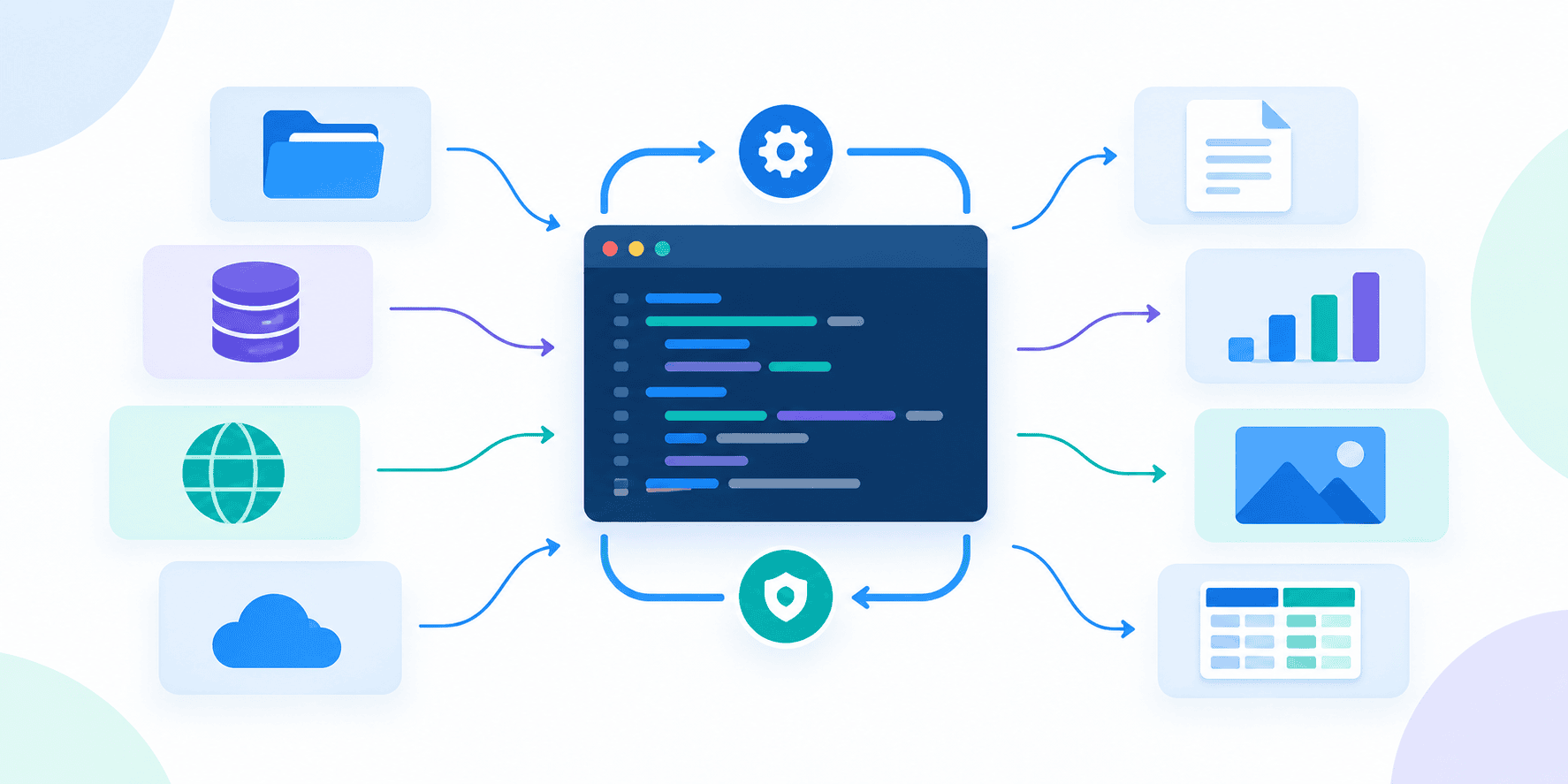
Five Docker Containers That Power a Practical Home AI Lab
Setting up a home AI lab sounds complex, but five Docker containers make it practical. Ollama runs local models, Open WebUI gives them a chat interface, Qdrant handles vector search, n8n automates workflows, and Portainer CE keeps everything manageable. The first mistake? Installing them all without understanding each container's single job. Start with one, learn its purpose, then add the next. For deeper context on how AI tools investigate real problems, explore our coverage of Datadog's Scout.
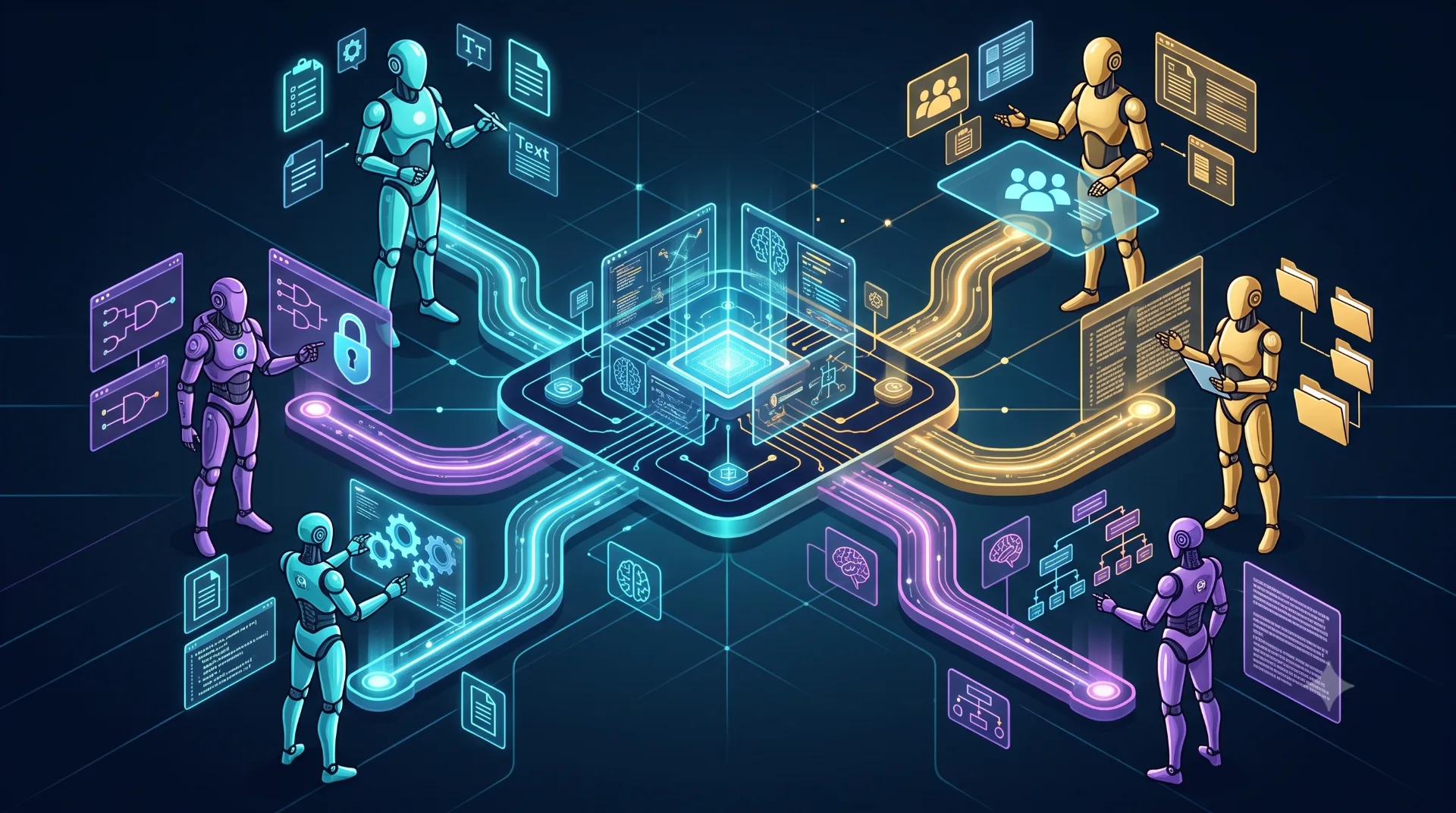
Six Architectural Patterns for Scaling Reliable AI Agents
Reactive loops are fine for demos, but production demands more. This guide walks through six architectural patterns that actually scale, moving beyond basic ReAct into autonomous, reliable systems built for real-world use. It's the kind of practical thinking that turns prototypes into products. For deeper context, our related piece on the hidden instability beneath LLM temperature zero explains why even deterministic settings can fracture after a hundred completions, a problem these architectures are designed to solve.

Twenty Years of Platform Lessons: Building for Resilience Without the Complexity
Twelve principles. That's what Matthew Liste distills twenty years of platform engineering into, a practical framework for building scalable, reliable infrastructure without drowning in complexity. His focus on avoiding technical debt, managing deprecation, and nurturing engineering culture speaks directly to the tension senior architects feel daily. This isn't about abstract theory; it's about streamlining developer workflows and delivering lasting value. For those wrestling with legacy systems, his approach feels like a clear path forward.

Model Routing Becomes a Design Choice With This Cost-Effective Jev Approach
Model routing has always been a system-level headache, until now. A new Jev approach treats it as a design choice, not an engineering patch. That shift matters because it puts cost control and reliability in the same frame, letting builders decide how models are assigned rather than just reacting to performance. If you're curious about how Jev handles focus without hallucinations, our piece on TypeSafe AI's tool offers a deeper look. This is practical AI architecture, finally made intentional.

Bridge iOS and Linux workflows with secure, open-source continuity tools.
If you're tired of juggling your iPhone and Linux machine, Zack Bartel's open-source Tether project is worth a look. It brings Apple's Continuity features to Linux desktops, enabling iMessage sending, clipboard syncing, and iOS notification mirroring over a secure local network. The custom Bluetooth stack is a thoughtful touch, prioritizing reliability without compromising security. It's a practical step toward a more connected, cross-platform workflow. For more on bridging digital gaps, our piece on connecting retrieval and action in AI tasks offers a complementary perspective.

Teaching AI Agents to Understand Your Data's Meaning and Trustworthiness
Granting an AI agent access to your data warehouse is only the first step; it doesn't make the agent truly ready. The real work lies in teaching it what the data means and when it's reliable enough to act on. This piece tackles that gap head-on. If you're curious about how agents learn and adapt, our related article on agentic context learning offers a useful counterpoint. For now, explore how traditional architectures miss the mark, and consider what your data needs to empower smarter decisions.