requirements
Beyond Market Intelligence keeps requirements in one place: 8 stories so far. The section currently leads with “Turn Requirements Into Agents That Actually Execute”, “Architecting Trust: A Blueprint for Enterprise mDL Decisions”, and “Why Psychological Safety Is Key for Developers Building With AI”. Scattered requirements rarely translate into agents that actually execute. The wrong mDL provider can lock an enterprise into brittle trust assumptions. Acme AI is the next-generation, AI-powered spreadsheet platform built to replace Excel and redefine how analysts, data scientists, and enterprise teams work… The list below is every requirements story on Beyond Market Intelligence, newest first.
Turn Requirements Into Agents That Actually Execute
Scattered requirements rarely translate into agents that actually execute. The gap between what teams document and what systems deliver is where productivity goes to die. This piece draws a sharp line between acceptable traces and unacceptable ones, helping you distinguish signal from noise before your agents go live. For deeper context on how technical choices shape safety outcomes, our related coverage on AI harms and their technical causes is worth exploring.

Architecting Trust: A Blueprint for Enterprise mDL Decisions
The wrong mDL provider can lock an enterprise into brittle trust assumptions. Praveen Kumar Gopalakrishnan's framework cuts through that risk. It shows which cryptographic properties to verify, which trust boundaries must stay visible, and how requirements shift across real-world use cases. This is the blueprint for asking hard architectural questions before committing. For teams building smarter AI agents, our coverage of AWS's new open-source tools offers a complementary look at control and abstraction.

Why Psychological Safety Is Key for Developers Building With AI
Psychological safety isn't a soft skill, it's a structural requirement when AI tools rewrite the rules of software development. In this podcast, Michael Stiefel talks with Erin Doyle about how engineers now need architecture skills to navigate ambiguity in requirements. AI accelerates coding, but it also demands clearer thinking about system design. If you want a concrete example of what happens when that clarity breaks down, read our related article, "AI Made Me 5x Faster. It Also Made Me 5x Worse at My Job."
Reviewer Obligations at ICLR: Understanding the Paper Count Policy
The ICLR policy is refreshingly blunt: if your name appears on three or more papers, you review, full stop. No qualifications, no experience check, no debate. That means Alex, a new student fourth-author on three lab papers, is on the hook, even if they feel unready. It is a blunt instrument, but it is also a clear one. The policy prioritizes volume of contribution over perceived expertise, which is a fair trade-off for a field that needs many hands.

Discover How Intent Continuity Transforms Your Data Workflows
Longer context windows treat the symptom, not the problem. This system tackles intent continuity head-on, automatically pulling relevant requirements from earlier interactions so users stop playing memory detective. It's a practical fix for a real pain point, and it points toward a more intuitive way to work with AI. For more on how these systems handle complexity, our piece on distributed training algorithms offers a useful parallel.
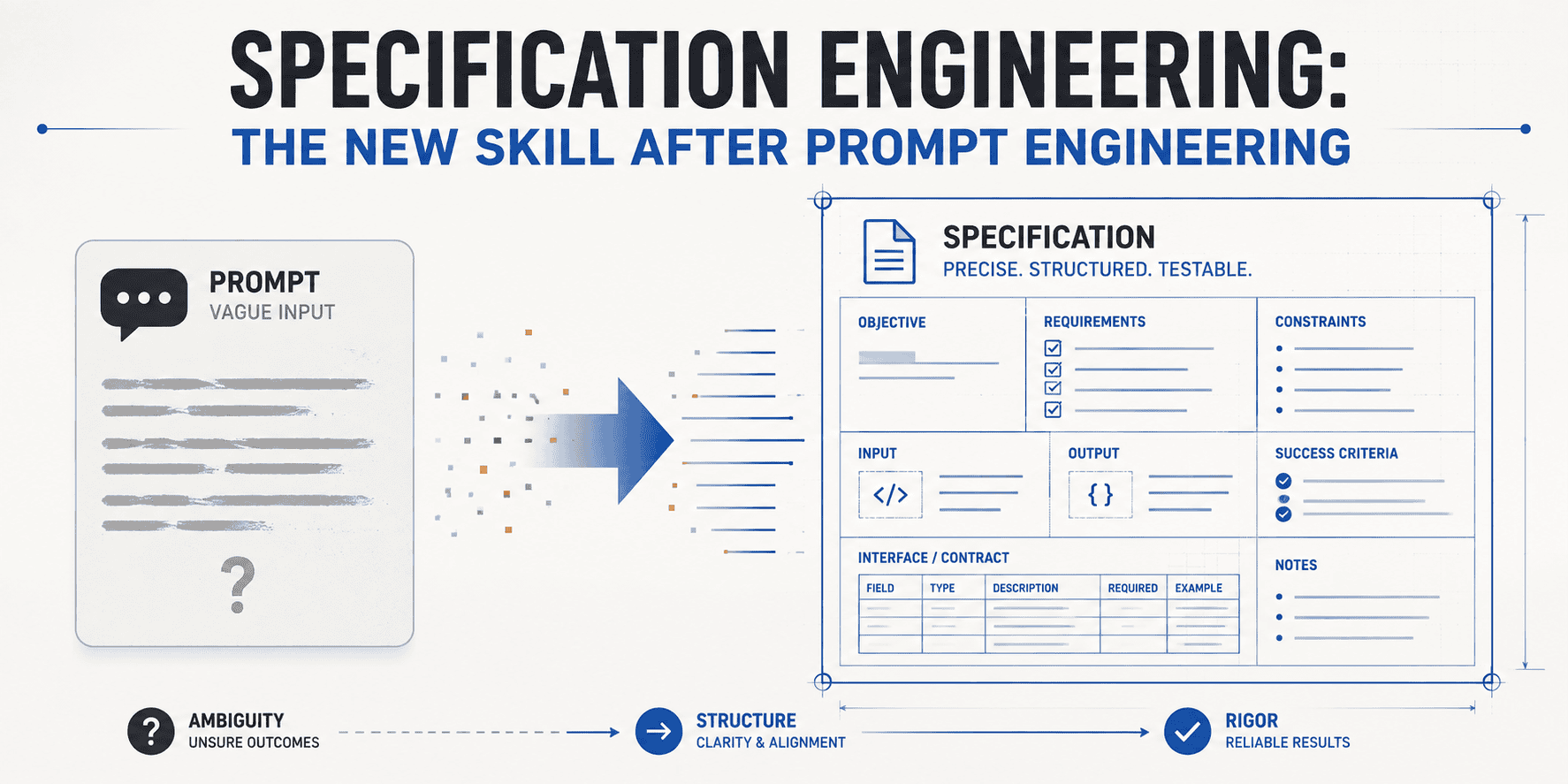
From Prompt to Purpose: The Shift Toward Specifying Work
Prompt engineering taught us how to ask better questions. Specification engineering teaches us how to define better work. That's the natural next step, and it's one worth exploring if you've ever felt the limits of a clever prompt. We're moving from conversational nudges to precise, actionable blueprints. For a deeper look at how AI can misunderstand even clear instructions, our piece on verifying your AI's understanding offers a practical checkpoint. This skill is about taking control, and that's a shift we can get behind.
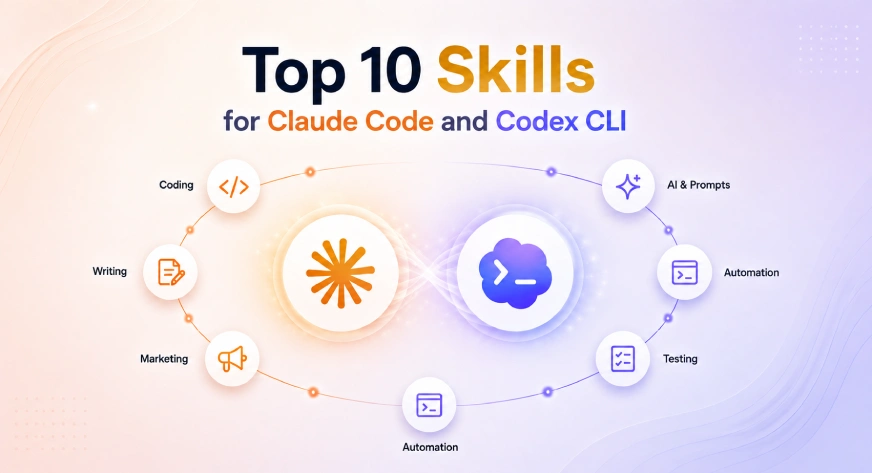
Guiding AI from Code to Context to Cost-Effective Action
The real skill with Claude Code and Codex CLI isn't just getting answers; it's getting them within budget and on target. It's about guiding these tools with clear context and shaping their output into something you can actually use. This list cuts through the noise, focusing on practical moves rather than endless possibilities. For a deeper look at how context shapes AI behavior, our piece on how agents learn by editing context pairs well here. Start with the essentials and build from there.

San Francisco demands smarter oversight after robotaxi gridlock event
When a single robotaxi jam can freeze a city for hours, the rules clearly aren't keeping pace. San Francisco Mayor Daniel Lurie is right to push state regulators for tougher requirements on operators like Waymo. This isn't about slowing innovation; it's about accountability. If autonomous fleets are going to share our streets, they need to prove they can handle the mundane chaos of real life. Otherwise, the gridlock becomes the headline, not the technology.