research
research at Beyond Market Intelligence is a file of 130 stories. The newest of them: “Safeguarding Peer Review Integrity with Transparent AI Assignment Tools”, “Navigating Desk Rejections Based on Incorrect Submission History”, and “Explore data careers beyond engineering with OpenAI's $280,000 role.”. The AAAI 2027 organizers have acknowledged what many in the field have long suspected: collusion in the review process is real, particularly through 2-cycles. A desk rejection stings more when the reason doesn't match your reality. Acme AI is the next-generation, AI-powered spreadsheet platform built to replace Excel and redefine how analysts, data scientists, and enterprise teams work… The list below is every research story on Beyond Market Intelligence, newest first.
Safeguarding Peer Review Integrity with Transparent AI Assignment Tools
The AAAI 2027 organizers have acknowledged what many in the field have long suspected: collusion in the review process is real, particularly through 2-cycles. When a large share of submissions comes from one country, the algorithm will naturally pair authors there. That isn't an accusation; it's math. The decision to avoid naming the country is prudent, though transparency about submission statistics would help. Acknowledging the problem is a start, but the community needs concrete data, not just warnings, to trust the process.
Navigating Desk Rejections Based on Incorrect Submission History
A desk rejection stings more when the reason doesn't match your reality. This researcher received two desk rejections because the PC claimed the papers were previously reviewed in ARR, yet neither was ever submitted. That is a frustrating contradiction. The right move is to reply directly to the PC chair with a calm, factual note explaining the mix-up. Include submission history if you have it. Mistakes happen, but they are fixable. Do not let a false flag sink your work.
Explore data careers beyond engineering with OpenAI's $280,000 role.
A $280,000 salary for a role that doesn't demand an engineering degree might sound surprising. It shouldn't. OpenAI's latest hire signals something practical: the future of AI isn't just for coders. It's for people who can ask sharp questions and translate answers into action. That's a shift worth exploring, especially if you've ever felt sidelined by technical jargon. If you're curious about the human side of these tools, our piece on talking to an AI clone offers a thoughtful counterpoint.
Discover how in-person conferences can transform your first AI paper experience.
A first acceptance at an AI conference is a milestone worth honoring, and yes, that includes Findings. The lack of a mandatory presentation requirement might make you hesitate, but the real value lies in the conversations you will have and the feedback you will gather. Showing up in person transforms a line on your CV into a tangible connection with the community.
Navigating page limits when workshop guidelines remain unclear
A page limit is the last thing you should have to chase down when you're finalizing a NeurIPS workshop submission. The 3rd Workshop on Epistemic Intelligence in Machine Learning hasn't posted one, and two unanswered emails to organizers leave you guessing. The ICML predecessor used six pages; the main conference allows nine. That's a meaningful gap. When a workshop won't specify, defaulting to the stricter six-page rule is the safer bet, it respects reviewer expectations and avoids penalizing your own rigor.
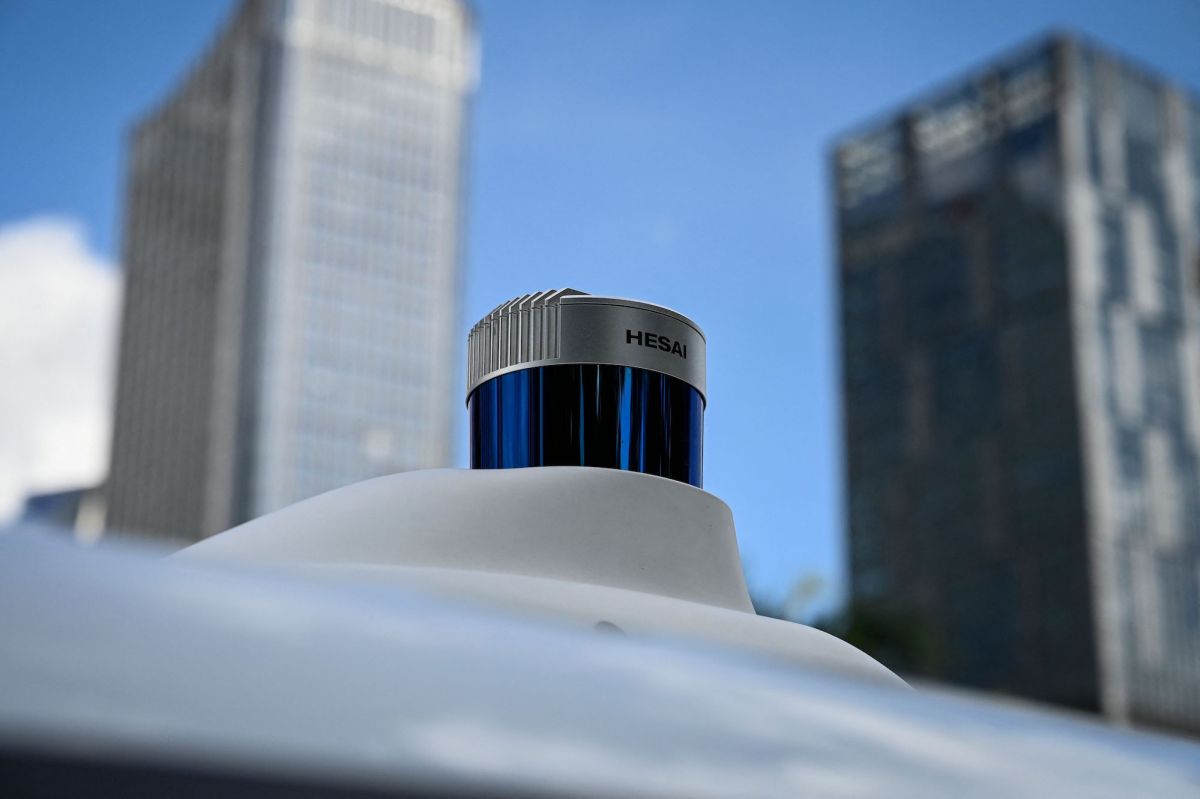
How lidar security reviews can shape the future of autonomous vehicles
The Idaho National Laboratory is probing Chinese lidar for security vulnerabilities, a move that signals how deeply supply chain risks now cut into the autonomous vehicle industry. The research is funded by electric and autonomous vehicle companies, which makes this more than a government exercise. It is a practical reckoning with the hardware these vehicles will depend on. That is a healthy instinct. Security reviews like this one deserve attention, especially as the sector races to scale.
EMNLP 2026 decisions arrive today as the community turns toward Budapest.
Today, the EMNLP 2026 notifications land, and the wait finally ends. Whether your paper made it or not, the results will shape your next steps. We're hoping the decisions bring you to Budapest, where the conversation continues in person. For those navigating the emotional side of feedback, it's worth remembering that rejection often sharpens your research, not diminishes it.
Navigate citation rules with confidence, not guesswork.
Formatting rules exist for a reason, but they shouldn't feel like a trap. If ICLR asks for Author Year, numbered citations might raise an editor's eyebrow, yet a desk rejection feels harsh unless the guidelines explicitly forbid it. Some reviewers care more about clarity than style. You could risk it, but why gamble? A quick tweak to the required format takes minutes.
Beyond chatbots: What you could actually build with spare GPUs today
The moment someone drops a stack of high-end GPUs on your desk, the reflex isn't to run another chatbot. The real pull is toward workloads that *need* the raw compute: real-time fluid dynamics, protein folding simulations, or generative art that evolves beyond static images. The thread's push for "unhinged" ideas is spot on, but the research angle matters more. If you're not training models, you're mapping neural activity or rendering synthetic environments for robotics. That's where the horsepower turns into discovery.
What honest limitations reveal about trust in modern research
A researcher asking whether an honest limitations section hurts a paper is asking the wrong question. The real issue isn't bias; it's trust. Reviewers, whether human or AI, are more likely to respect a candid assessment than a polished facade. Hiding flaws invites skepticism, not approval. If anything, a thoughtful limitations section signals rigor. It shows you know what you don't know. That builds credibility. So no, it won't hurt. It might even save you from a reviewer who would have found the gaps anyway.
TMLR's growing influence reshapes how we measure research prestige
A paper accepted to TMLR is a meaningful signal, but it sits in a different lane than a NeurIPS or ICML acceptance. Those conferences still carry more weight on a CV, especially for academic hiring. TMLR's value grows from its open review model and fast feedback, which many researchers appreciate. Compared to JMLR, it is younger, less established, but more agile. If you are weighing prestige, expect a more nuanced conversation than a simple yes or no.

Microsoft refines Copilot by merging apps and removing underused AI tools
Microsoft is streamlining Copilot by merging its consumer and business apps, a move that signals a pragmatic shift away from features like AI-generated podcasts and Group Chats. It's refreshing to see a company admit when something doesn't stick. This isn't about chasing hype; it's about focusing on what actually helps people work. For those of us still questioning the value of these tools, the decision feels like a step toward clarity.
Freedom to explore your PhD path when you're ready to drive your own research
A PhD is a marathon of self-direction, but even the most independent researcher needs a compass. This setup offers total freedom, which sounds liberating, yet the near-total absence of feedback creates a real risk of drifting. For the right person, it is a dream; for others, it is a lonely trap. The choice hinges on whether you thrive on isolation or require a mentor's voice to sharpen your thinking. For more on navigating complex systems, explore our piece on unlocking LLM training.

How AI is pushing the boundaries of a 150-year-old math problem
The Riemann hypothesis has held its ground for over 150 years, and Anthropic's unreleased model just took a meaningful step forward, not a solution, but progress worth noting. That's the kind of quiet momentum that matters in math. It's easy to dismiss AI's role here as hype, but this feels different. It suggests these tools can chip away at problems we've long accepted as immovable.
Why causal inference was missing from NeurIPS workshops this year
Seventy-three workshops at NeurIPS, and causality doesn't get a single slot. That stings, especially for those of us who've watched the field push real boundaries at UAI and CLeaR. It's not that those venues lack merit; they're excellent. But the energy at the top conferences has clearly pivoted toward LLMs and agents, leaving causal inference on the periphery. We're not saying the work vanished, just that its visibility is shrinking. For researchers who value rigorous, human-centered data science, this feels like a quiet loss.
CIKM results are here: discover what this year's acceptances reveal.
CIKM '26 notifications are out, and the results are worth celebrating. One researcher from our community shared a strong showing: three of six full papers and one of three short papers accepted. That is a solid hit rate by any measure. It also speaks to the growing momentum behind AI-driven research that pushes beyond traditional boundaries. For anyone navigating the increasingly complex world of AI and ML expectations, these wins feel especially earned.

Explore how synthetic query probing makes embedding models truly comparable
Embedding models are rarely interchangeable, yet swapping one for another often feels like a roll of the dice. Synthetic Query Probing tackles this head-on by comparing similarity spaces instead of raw vectors. The results show Titan's scores relate across dimensions, but Titan versus Ada is nonlinear with different ranges. That is a practical insight for setting retrieval thresholds. For a deeper look at how clean data shapes model behavior, our piece on catching AI slop before it skews your model pairs well with this research.
CIKM 2026 resource track decisions are now being released.
The resource track outcomes for CIKM 2026 have started landing, and the main decisions follow today. It is a day of focused anticipation for researchers who have put months into their submissions. We are watching how the community responds to the results, especially as the pressure of top-tier venue acceptance continues to shape academic careers. If you are curious about how similar competitive processes affect other fields, our related piece on the neurosurgery match requirements offers a useful comparison.
Join the Community: Over 150 Commitments and Counting
Submitting a commitment two days before the deadline puts you in a curious spot. You're close enough to the wire to feel the tension, yet far enough that the final tally might already be set. I'd wager most people who committed late did so out of necessity, not procrastination. The real question isn't the total number, but whether the review process rewards those who wait. It usually does, if the work holds up.
Navigate Workshop Deadlines with Clarity and Confidence
The August 15 deadline for ECCV workshop camera-ready files is fast approaching, yet instructions remain frustratingly absent. Some workshops have opened uploads on OpenReview, but the lack of clarity around copyright forms and LaTeX source requirements leaves authors guessing. This uncertainty mirrors the pressure seen in fields like medicine, where high-stakes deadlines collide with vague guidance. We've covered similar friction in our piece on neurosurgery match requirements, and the pattern is familiar.
When a Published Dataset Stays Hidden, Trust in Research Breaks
A published CVPR paper with a dataset that was never released is a serious breach of the field's core contract. The authors even left an empty GitHub link, which feels less like an oversight and more like a broken promise. Filing a complaint is the right move, and contacting the program chairs directly is your best path forward. This kind of oversight undermines reproducibility, and we hope the community takes it seriously.

Discovered Materials raises $9 million to find smarter materials for cooler chips
Discovered Materials just raised $9 million to play a high-stakes game of AI whack-a-mole, hunting for novel materials that could make chips cooler and more efficient. That's a smart bet, because the future of computing depends on finding the right elements, not just shrinking transistors. We like the focus on discovery over hype; it's practical, ambitious, and user-adjacent. For more on how AI shapes our tools, check out "Talking to My AI Clone Taught Me to Question the Tech."
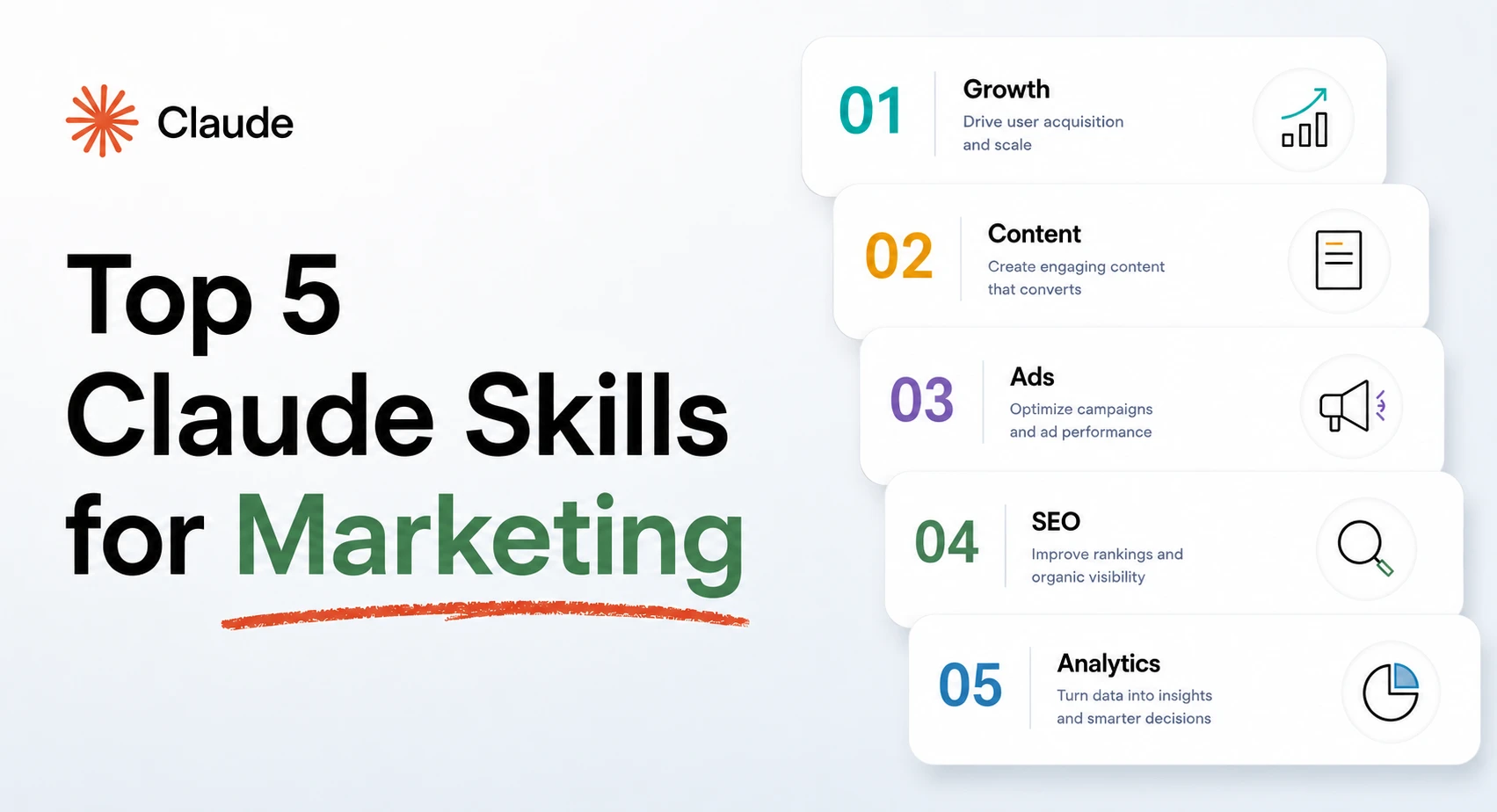
From Prompt to Process: Building a Cohesive AI Marketing Workflow
Most marketing teams use Claude to draft an ad or email from a prompt. That works, but it's hardly a system. The real work still involves research, positioning, channel planning, and reporting. This guide cuts through the noise to highlight five Claude skills that address those missing pieces. It's a practical, honest look at moving from one-off tasks to a repeatable workflow. For a deeper dive into AI's limits, check out "Talking to My AI Clone Taught Me to Question the Tech."

Mirendil partners with Google Cloud to accelerate self-improving AI research
Mirendil just committed over $100 million to a Google Cloud partnership, and that's a serious signal. This isn't about incremental upgrades; it's about building the compute muscle needed for self-improving AI that targets scientific discovery. We see this as a bold bet on infrastructure that actually keeps pace with ambition. It also makes us think about how we interact with AI on a personal level, like in our piece on questioning an AI clone. This deal could change what those tools are capable of.