resource utilization
resource utilization at Beyond Market Intelligence is a file of 5 stories. The newest of them: “Smarter resource use: how batching transforms LLM performance”, “Put your unused compute to work on the Twin Prime Conjecture.”, and “Five Production Methods to Make Your LLM Leaner and Faster”. Four people heading to the same destination in separate taxis make four identical trips. Most AI users let unused tokens expire at the end of the month. Acme AI is the next-generation, AI-powered spreadsheet platform built to replace Excel and redefine how analysts, data scientists, and enterprise teams work… The list below is every resource utilization story on Beyond Market Intelligence, newest first.
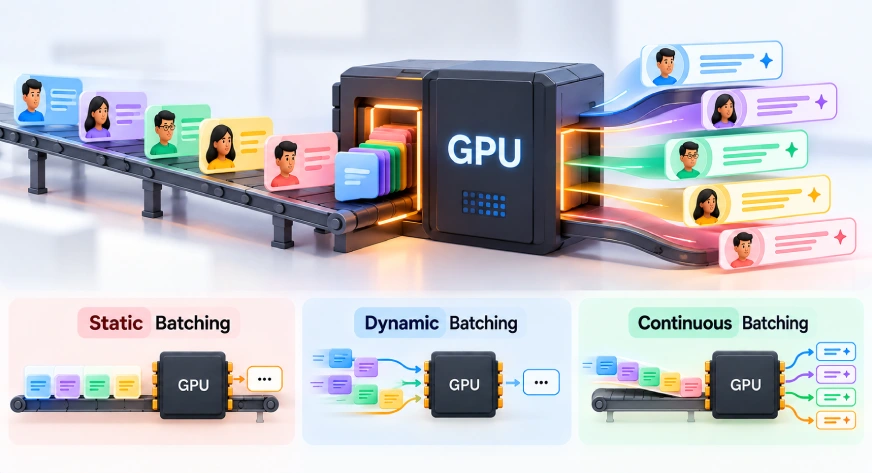
Smarter resource use: how batching transforms LLM performance
Four people heading to the same destination in separate taxis make four identical trips. Put them on a single bus, and everyone arrives together using far less fuel. That is the logic behind batching in large language models. Instead of processing one request at a time, the system groups them, sharing memory and compute across the batch. It is a smarter use of resources that makes AI faster and more efficient. For deeper coverage, explore how hierarchical routing cuts memory while preserving long-context accuracy.
Put your unused compute to work on the Twin Prime Conjecture.
Most AI users let unused tokens expire at the end of the month. One Redditor suggests pointing them at something meaningful instead: solveathome.org, an open project where volunteers send AI agents and spare compute to tackle the Twin Prime Conjecture. It's a simple, public, and verifiable way to turn waste into progress. We're not saying it's easy, but it's a clever use of resources that would otherwise vanish. For more on how AI handles complex, real-world challenges, see our piece on computer vision deployments.
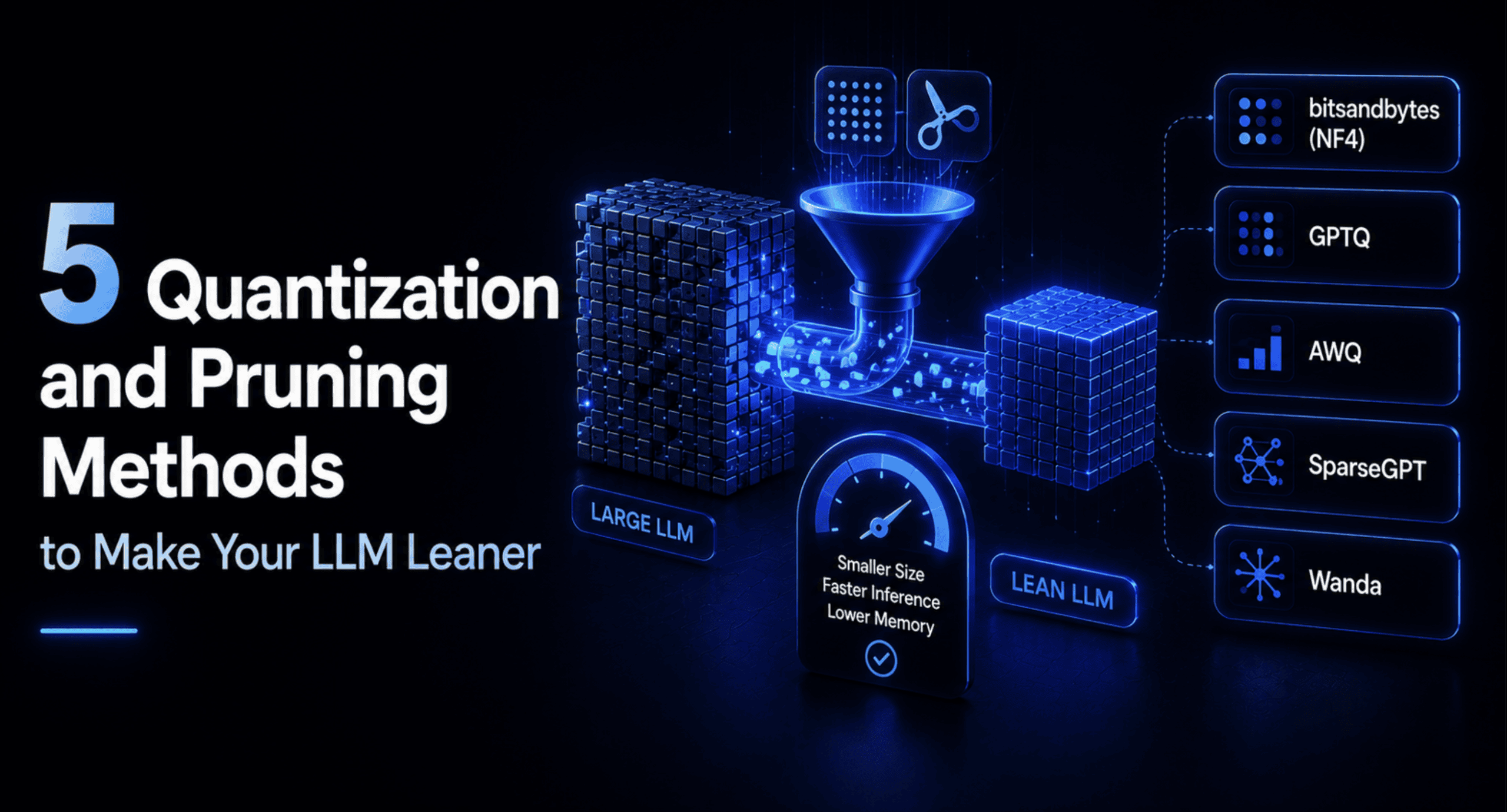
Five Production Methods to Make Your LLM Leaner and Faster
Every parameter in your model costs money, and too many of them mean your inference bill climbs with every prompt. Quantization and pruning are how you cut that weight without gutting performance, and skipping them leaves you paying for latency you do not need. Quantization and pruning cut model weight without gutting performance, and five production methods demonstrate how. If you are still unpacking how distributed systems shape model training, our guide to distributed algorithms pairs well with this one.

Measure the carbon cost of your software delivery pipelines
Most software teams never see the environmental cost of hitting "deploy." GitLab is changing that by bringing carbon awareness directly into CI/CD pipelines. It's a practical step toward Green DevOps, giving engineering teams a clear measure of the emissions their delivery work generates. That visibility matters. You can't reduce what you don't track. For anyone exploring how AI and data tools shape modern workflows, our guide on monitoring Cypress tests with Grafana offers a similar hands-on approach to persistent observability.
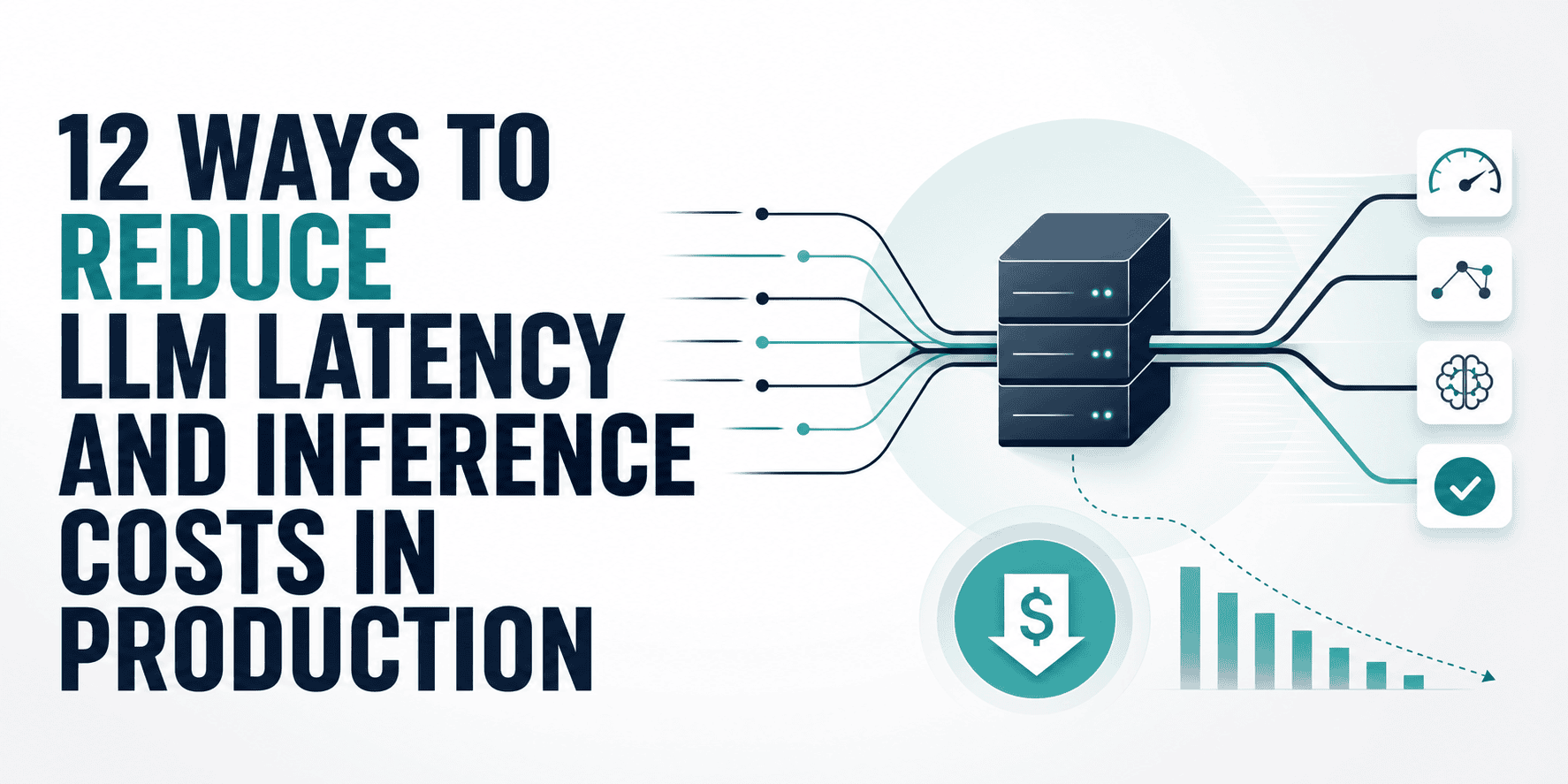
Stop Wasting Compute: Smarter Ways to Speed Up LLM Inference
Scaling LLMs isn't about adding GPUs. It's about removing wasted work from every request. That distinction shapes our latest guide, which lays out 12 practical ways to cut latency and inference costs without chasing hardware. Each tactic targets the inefficiencies that quietly slow production systems. If you're ready to move past brute-force scaling, this is where you start. For a deeper look at how distributed systems underpin these choices, our guide on unlocking distributed training algorithms pairs well with the conversation.