root cause analysis
Beyond Market Intelligence keeps root cause analysis in one place: 10 stories so far. The section currently leads with “Unlocking event sequences with additive embeddings and self-supervised prediction”, “How to Spot the 4 Case Study Types in Data Science Interviews”, and “From reactive fixes to self-healing data: inside Netflix's observability knowledge graph”. A running sum of event vectors turns a history of purchases, logs, or clinical codes into something linear models can read directly. Case study rounds used to mean marketplace experimentation. Acme AI is the next-generation, AI-powered spreadsheet platform built to replace Excel and redefine how analysts, data scientists, and enterprise teams work… The list below is every root cause analysis story on Beyond Market Intelligence, newest first.

Unlocking event sequences with additive embeddings and self-supervised prediction
A running sum of event vectors turns a history of purchases, logs, or clinical codes into something linear models can read directly. That is the deceptively simple idea behind Event2Vec, a small library Antonin Sulc built for self-supervised next-event prediction. The arithmetic is transparent: a churn score becomes a sum of embedded contributions. What starts as root-cause analysis at Berkeley Lab could reshape how we treat sequences as additive, not opaque. For deeper coverage, see how Netflix tackles observability across 38M events per second.

How to Spot the 4 Case Study Types in Data Science Interviews
Case study rounds used to mean marketplace experimentation. After 80+ interviews across 16 companies, the picture is broader. You might face a launch evaluation, a root cause analysis, an opportunity sizing decision, or a targeting problem built on heterogeneous treatment effects. Spotting which of the four you are facing matters because each demands a distinct approach. The included maps break down the opening, the test, and the trap.
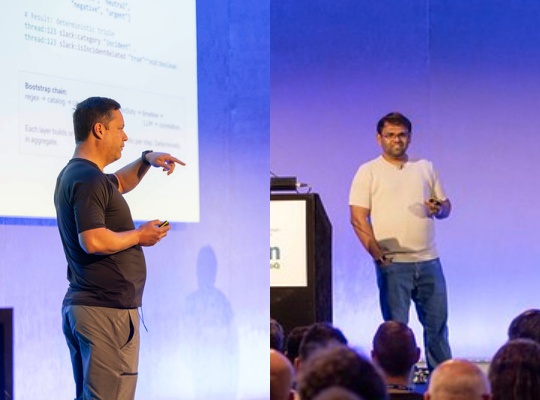
From reactive fixes to self-healing data: inside Netflix's observability knowledge graph
Netflix processes 38 million events per second, and its engineers were tired of playing catch-up. Prasanna Vijayanathan and Renzo Sanchez-Silva share how the company replaced reactive monitoring with an AI-driven operational ontology, using Claude and graph databases to unify MELT telemetry into queryable knowledge. The result is automated triaging, root-cause analysis, and systems that heal themselves. It is a practical, human-centered shift toward data that works for you.

AI Coding Speeds Up Development, but Debugging Demands Grow
AI coding agents are writing code faster than ever, but a new survey from Undo and Coleman Parkes reveals a sharp trade-off: debugging now consumes more time than before. Faster generation means more code to troubleshoot, and that bottleneck demands new tools for comprehension. Developers aren't just writing, they're deciphering. For deeper insight into how AI is reshaping workflows, see our coverage of Flai's $27M round and its 50,000 monthly appointments.

Atlassian Correlates Metrics, Logs, and Traces to Automate Root Cause Analysis
Atlassian is tackling one of the messiest parts of cloud operations: figuring out why things break. Their new approach correlates metrics, logs, traces, and service topology to rank hypotheses about where failures start and how they spread. That is a practical step beyond chasing alerts blind. It feels like the kind of automation that lets teams focus on fixing rather than guessing. For more on how AI handles complex tasks, our guide, "Unlock ChatGPT for Work," offers a useful starting point.
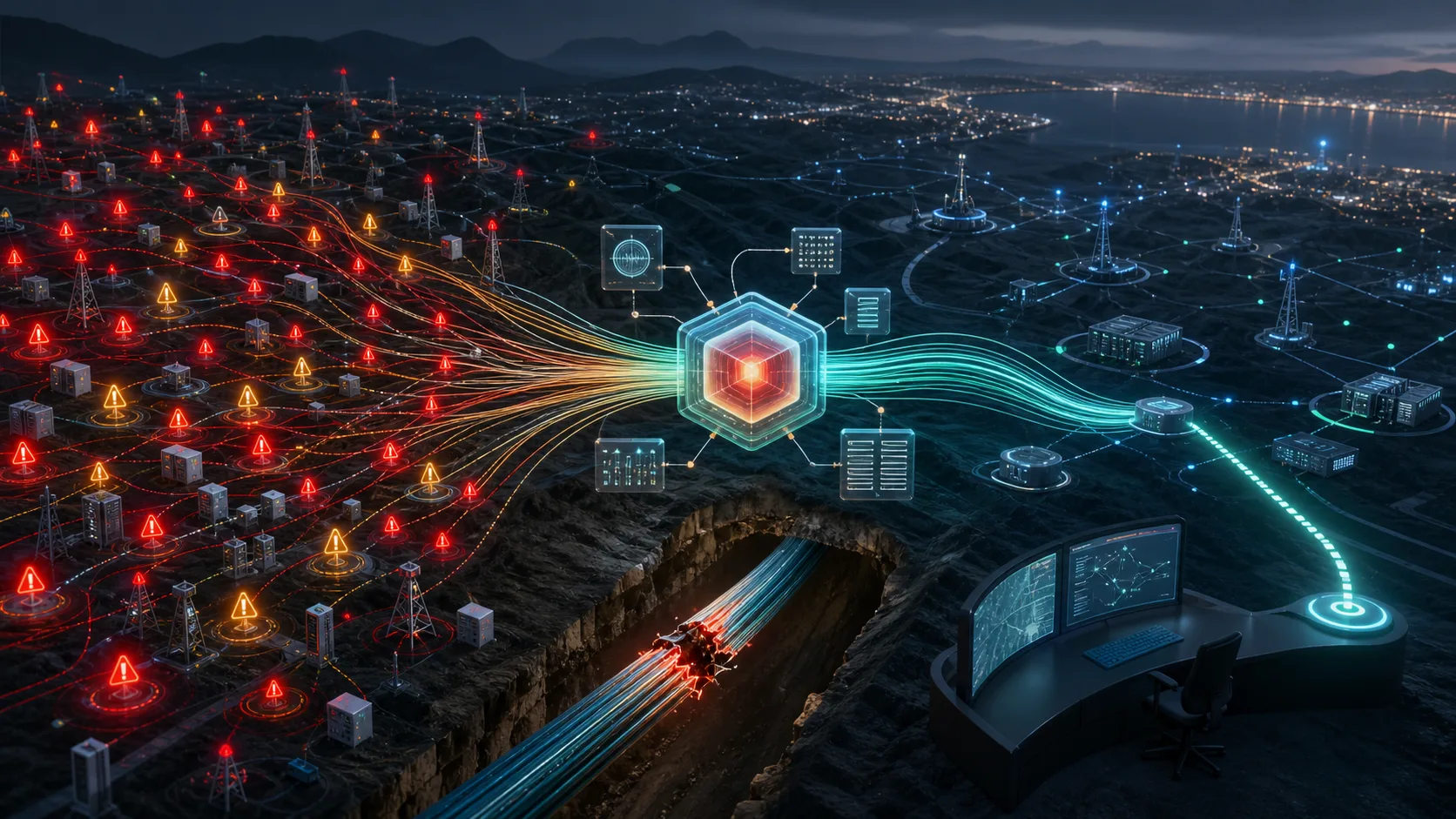
From Alert Fatigue to Action: Smarter Service Assurance for Telecom
Alarm fatigue is a silent bottleneck in telecom service assurance. Large operators have learned that chasing individual alerts wastes time and masks real network incidents. The hard-won lessons distill into an incident-first blueprint that prioritizes what actually matters: faster, safer resolution. It is a practical, no-nonsense read for teams ready to move beyond reactive noise. For a deeper dive into how distributed systems underpin modern AI operations, explore *Unlock LLM Training: A Practical Guide to Distributed Algorithms*.

How AI helps incident response teams see more and decide better
When Alex Palcuie, an Anthropic reliability engineer, walks you through using LLMs for incident response, he's not selling magic. He's sharing where AI genuinely acts as a superhuman observer for logs and traces, while admitting it still trips over causation versus correlation. That honesty is refreshing. For engineering leaders, the real challenge isn't adopting AI; it's weaving it into on-call work without dulling human judgment.

Your Team's Insight Still Guides the AI in Incident Response
AI is moving fast into incident response, summarizing channels, analyzing unfamiliar code, and even suggesting fixes. That's genuine progress. But Craig Risi's piece reminds us that the hardest calls still land on humans. The technology can point the way, yet judgment, context, and accountability remain ours to carry. That's not a limitation; it's the point. For a broader look at where this intelligence is headed, our piece on AI designing its own hardware offers a fitting follow-up.
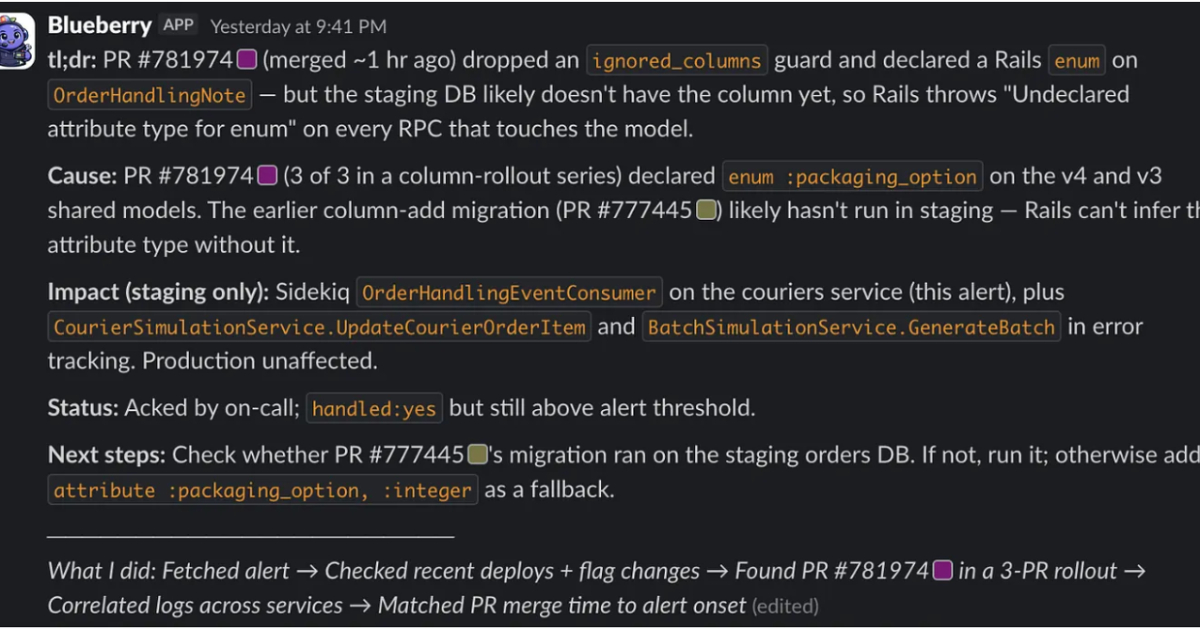
How AI Helps Instacart Engineers Resolve Incidents Faster in Slack
When a production incident lands in Slack, every minute of investigation matters. Instacart's Blueberry, an AI-powered assistant, steps in to help on-call engineers act faster. It pulls together AI agents, operational data, and past incident knowledge to suggest grounded root cause hypotheses directly in the conversation. Parallel subagents and MCP integrations do the heavy lifting, but engineers stay in control. That's a practical approach to reducing toil.
How AI agents free engineers from busywork to focus on judgment
Instacart's CTO says AI made the company stop worrying about tech debt, and that's a bold bet worth examining. Anirban Kundu argues that machines should absorb repetitive engineering work, freeing humans to focus on judgment and intent. In 97% of cases, builders don't even read code anymore. That's a striking redefinition of the craft. For a deeper look at how teams are managing modern testing pipelines, our related article on monitoring Cypress tests with Grafana offers a practical counterpoint.