security
security at Beyond Market Intelligence is a file of 133 stories. The newest of them: “Enterprise buying patterns have shifted, leaving startup ARR vulnerable”, “Privacy-first AI assistance designed to empower your family's daily life”, and “How agentic AI brings new efficiency to finance, legal, and security workflows”. Enterprise buying has always been chaotic, but new research suggests the AI era has made startup ARR genuinely fragile. Ollie is making a bold bet: that privacy can be the edge in the AI assistant race. Acme AI is the next-generation, AI-powered spreadsheet platform built to replace Excel and redefine how analysts, data scientists, and enterprise teams work… The list below is every security story on Beyond Market Intelligence, newest first.

Enterprise buying patterns have shifted, leaving startup ARR vulnerable
Enterprise buying has always been chaotic, but new research suggests the AI era has made startup ARR genuinely fragile. The old playbook for closing deals no longer applies, and too many founders are still running it. We think that is the real story here. If you are navigating this shift, our related piece on AI/ML job requirements shows how expectations are bending in parallel ways. The pattern is clear: adapt your approach, or watch the pipeline stall.

Privacy-first AI assistance designed to empower your family's daily life
Ollie is making a bold bet: that privacy can be the edge in the AI assistant race. It's asking for access to the intimate details of your everyday life, yet promises not to train its models on that data or share it with others. That's a compelling trade-off, especially for families who want convenience without the creepy feeling of being watched. Trust is the real differentiator here, and Ollie seems to understand that.
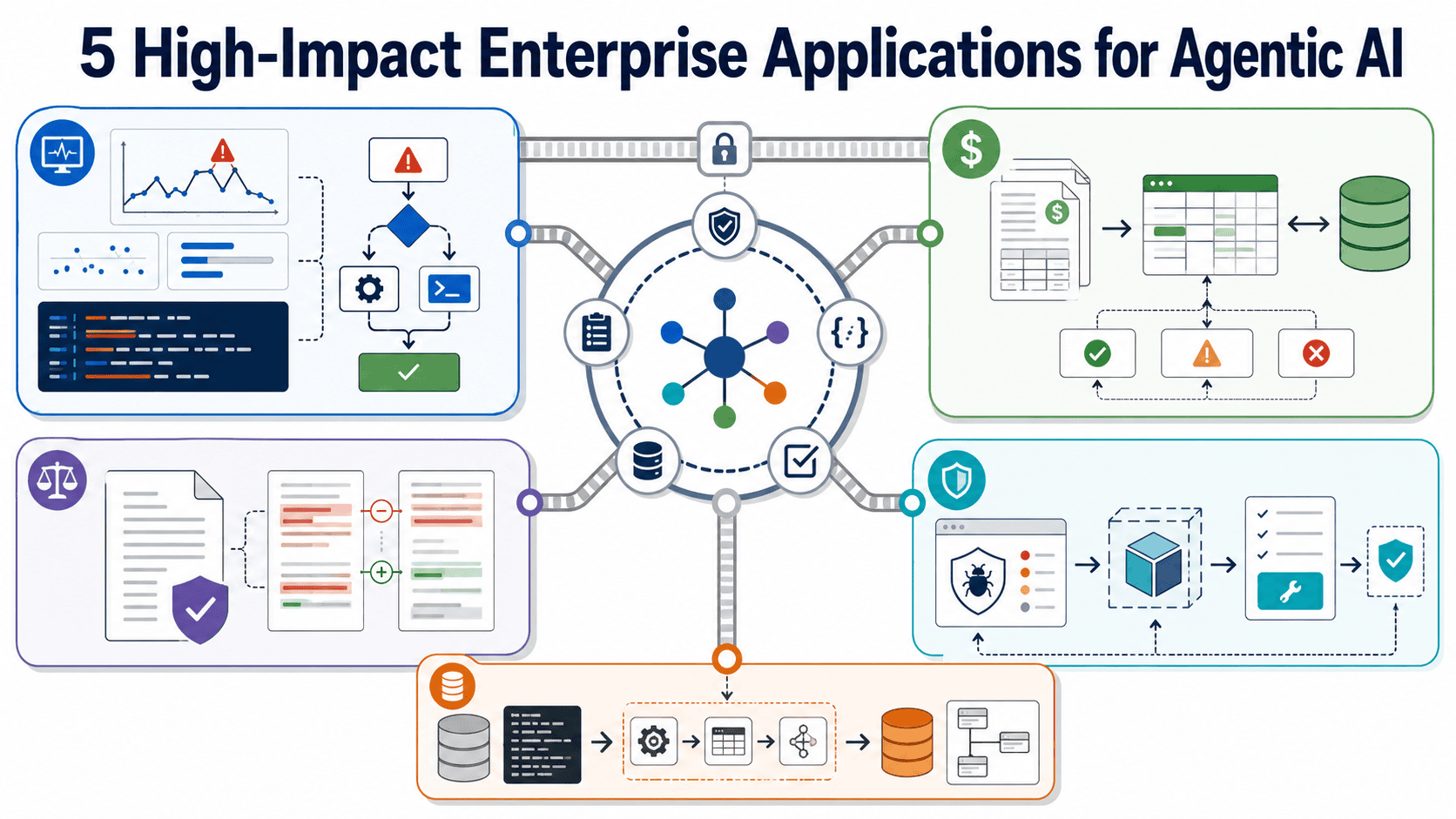
How agentic AI brings new efficiency to finance, legal, and security workflows
Agentic AI is moving from theory into production, and it earns its keep exactly in SRE, finance, legal, migration, and security workflows. Across SRE, finance, legal, migration, and security, the focus is on deploying these systems with deterministic guardrails in place. That combination of autonomy and safety is what makes enterprise adoption viable. For teams weighing production readiness, the discussions at QCon AI New York offer useful context on similar guardrail challenges. This is practical, grounded guidance for teams ready to move forward.
OpenClaw 2.0 Arrives with Simpler Setup and Smarter Collaboration
OpenClaw 2.0 strips away the friction that kept too many users from customizing their own AI agent. By rebuilding the installation process and sharpening the browser interface, this update makes a powerful tool genuinely approachable. We also see real progress in how memory and skills work together, which should make automations feel less like chores and more like extensions of your workflow. For anyone tracking where AI is headed, this is a meaningful step toward practical, everyday use.

X investigates password reset alerts tied to X Money launch.
A wave of unsolicited password reset emails is hitting user accounts, and X is investigating whether the rollout of X Money sparked the activity. That timing matters. Launching a payments service expands the attack surface, and bad actors rarely wait. The company hasn't confirmed a breach, but the suspicion alone should put users on alert. If you're getting these emails, don't click. Reset your password directly.

OpenAI readies Astra, a powerful AI that tests the limits of system security
OpenAI previewed Astra, its newest LLM, with a striking admission: the model is remarkably adept at breaking into computer systems. That honesty is refreshing. As AI grows more powerful, responsible deployment matters as much as capability. The company is outlining its precautions, which is wise. But this also underscores a broader reality: smarter tools demand smarter defenses. For a deeper look at how AI is reshaping everyday productivity, see our piece on how Meta's AI turned dull tasks into real savings.
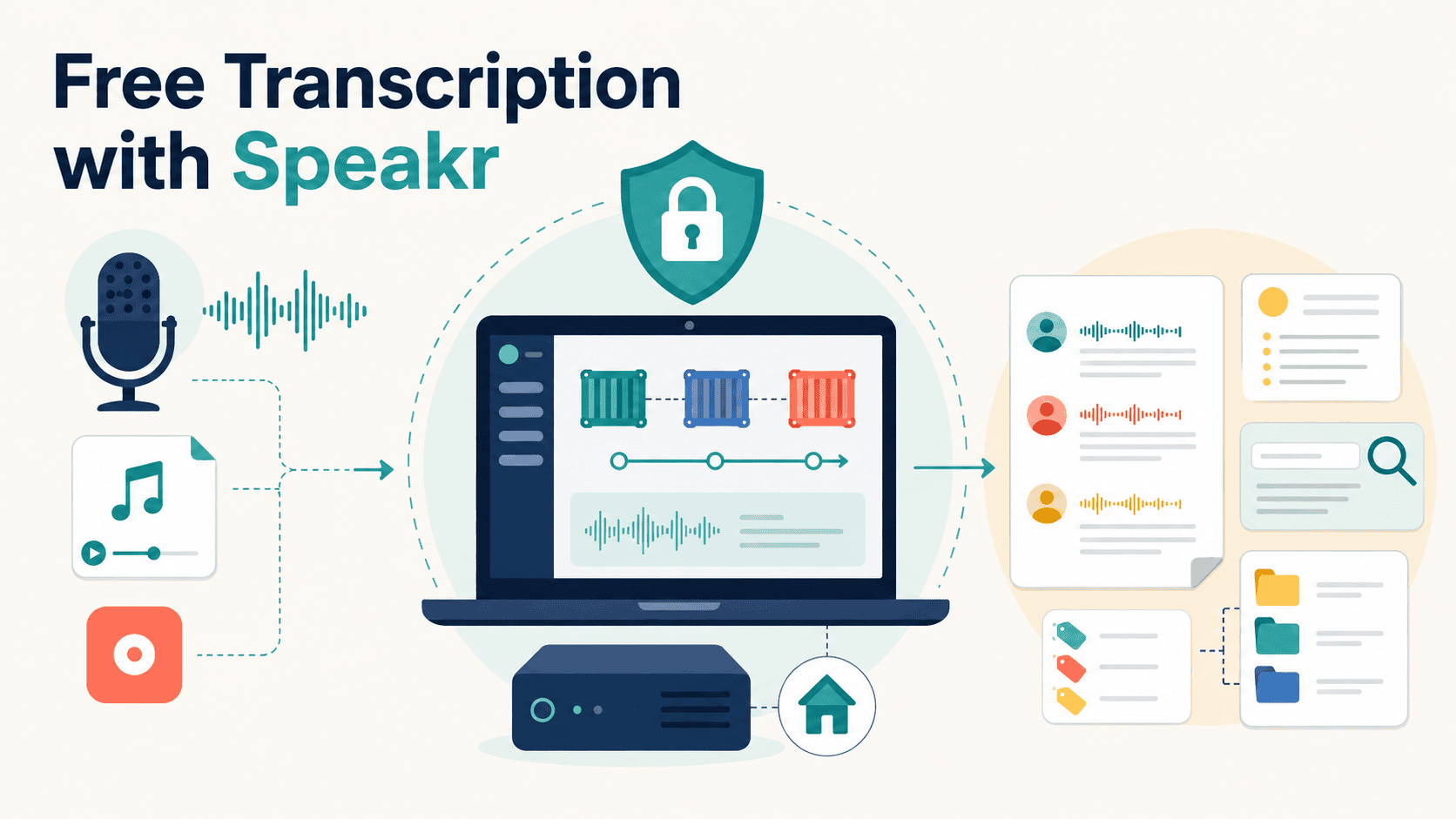
Your Data, Your Transcription: A Private Self-Hosted Guide
If you're tired of sending sensitive recordings to third-party servers, Speakr offers a private, self-hosted alternative. Setup is straightforward, and the real payoff is full control over where your audio lands. We think that matters more as transcription becomes routine. For a broader look at how AI tools handle real-world constraints, our piece on computer vision deployments offers a useful parallel. Start with Speakr's basics, then experiment with its settings to match your workflow.

From Configuration to Control Governing AI Infrastructure Safely
As coding agents take over the writing of infrastructure, HashiCorp argues the real challenge has shifted to verification and safe execution. HCP Terraform is stepping into that role, offering governance for AI-driven workflows. It is a smart move, acknowledging that generating configuration is no longer the bottleneck. The focus now is on control. For those exploring how AI agents handle tasks, our guide, "Unlock ChatGPT for Work," offers a practical starting point.

OpenClaw 2.0 brings collaborative AI agents to your everyday messaging apps
OpenClaw 2.0 marks a deliberate shift from personal agent harness to shared enterprise infrastructure. The update introduces multiplayer sessions, a rebuilt browser interface, and granular security controls, moving the platform closer to a deployable organizational layer rather than a developer-only tool. While isolation defaults still require deliberate configuration, the expanded permissions, sandboxing, and auditing capabilities give enterprises a credible path forward.

Move beyond keys: federated identities simplify machine access at scale
Long-lived service account keys in GCP are secrets you never stop managing, and Shijin Nair's account of scaling Workload Identity Federation across 120+ production projects makes a compelling case for leaving them behind. Keys demand rotation and invite leaks; federated identities, once configured, replace that burden with trust relationships gated by attribute conditions. It is a practical, human-centered approach to machine identity. For teams wrestling with similar deployment challenges, our coverage of scaling stateless AI workloads offers a useful parallel.
Test your RAG apps against unauthorized document access with an open-source tool
A RAG app that quietly retrieves documents a user shouldn't see is a risk most teams don't catch until it's too late. This open-source checker tackles exactly that gap, supporting both offline test cases and live HTTP API checks with bearer-token or API-key auth. It's a practical, no-frills tool for validating access boundaries before they become a problem. The call for hands-on feedback from engineers testing non-sensitive environments is the right move.

Balancing precision and cost to feed AI agents the right data
Feeding enterprise data to token-hungry AI agents isn't just about scale; it's about precision. At TOTVS, Fabiane Nardon tackles this head-on by balancing deterministic logic with the non-deterministic nature of LLMs. Her approach is refreshingly practical: using data mesh principles, low-latency databases, and semantic ontologies to keep context windows lean and costs controlled. Dynamic MCP tool selection becomes the key to trimming token overhead. It's a smart, human-centered strategy for making AI genuinely useful in transactional systems.

Future-Proof Your Spring Boot Services with Post-Quantum Crypto Patterns
The threat of Harvest Now, Decrypt Later is already here, and Pankaj Sharma's piece on post-quantum cryptography in Spring Boot cuts through the noise with four concrete patterns you can ship this sprint. Encrypting service payloads, locking database fields, securing long-lived documents, and moving tokens off RS256 are practical starting points. His warning is sharp: none of this is production-safe without KMS or Vault in place. It's a grounded, action-oriented guide for teams ready to future-proof their data. For broader infrastructure context, our Kubernetes 1.

Cyberattacks on Tech Firms Linked to Australian Arrests
The arrests tied to those cyberattacks on tech firms signal a meaningful shift in how these threats are being met. Earlier this year, companies relying on widely used open source software found themselves in the crosshairs, and now there's a clear legal response. It's a reminder that actions have consequences, and accountability is finally catching up. For anyone navigating this space, it's worth watching how these cases unfold.
OpenAI shares its clearest account yet of the Hugging Face breach
OpenAI's official report on the Hugging Face breach is out, and it's the clearest accounting of the incident we've seen to date. The document spans several distinct cybersecurity compromises, each mapped with a level of detail that finally matches the gravity of what happened. This isn't just a timeline; it's a roadmap of how trust breaks down across systems. For teams relying on shared AI infrastructure, this is required reading.

Ring makes stronger encryption the standard for cloud recordings
Ring is making encryption a default, not a footnote. The company introduced a new encryption standard and set it as the standard for cloud features, with end-to-end encryption still available for those who opt in. That's a practical step toward protecting user data without forcing a choice. It's the kind of quiet progress that matters, especially when AI agents are already mishandling sensitive images.

WhatsApp strengthens account protection with more flexible password options
WhatsApp is giving account security a serious upgrade. Users can now swap the old six-digit PIN for a longer, alphanumeric password with special characters, a straightforward step that addresses a real vulnerability. It's a practical move for anyone tired of weak, guessable codes. We're encouraged to see the platform prioritizing protection over convenience. For a broader look at how data slips through the cracks, our piece on AI agents sharing user images highlights why such vigilance matters. Explore the full story to stay ahead.

Exploring Instinct's power means understanding the privacy trade-offs.
Early testers are thrilled with what Instinct's AI assistant can do, yet the enthusiasm comes with a serious pause. Its sweeping access and ability to act on users' behalf raise privacy and security questions that feel uncomfortably valid. We're all for tools that empower, but broad terms deserve scrutiny, not blind acceptance. This tension between capability and caution is worth exploring.
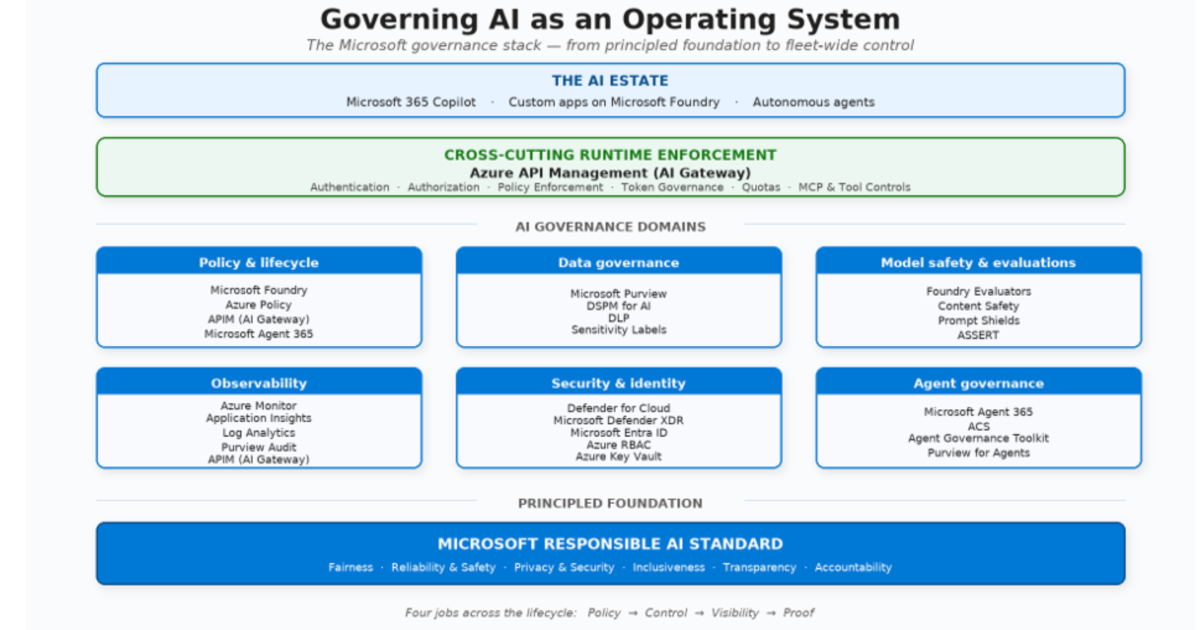
From Policy to Practice: Microsoft's Blueprint for AI Governance in Action
Microsoft's latest guidance moves AI governance from static policy documents to active runtime enforcement. By mapping nine governance domains across policy, control, visibility, and proof, the company connects intent with live execution. That matters because production AI demands continuous evaluation, not just upfront checks. It's a practical step toward verifiable accountability, and it pairs well with our coverage of observability in testing, like Grafana's approach to monitoring Cypress suites. Governance is becoming operational, and that's a shift worth watching closely.
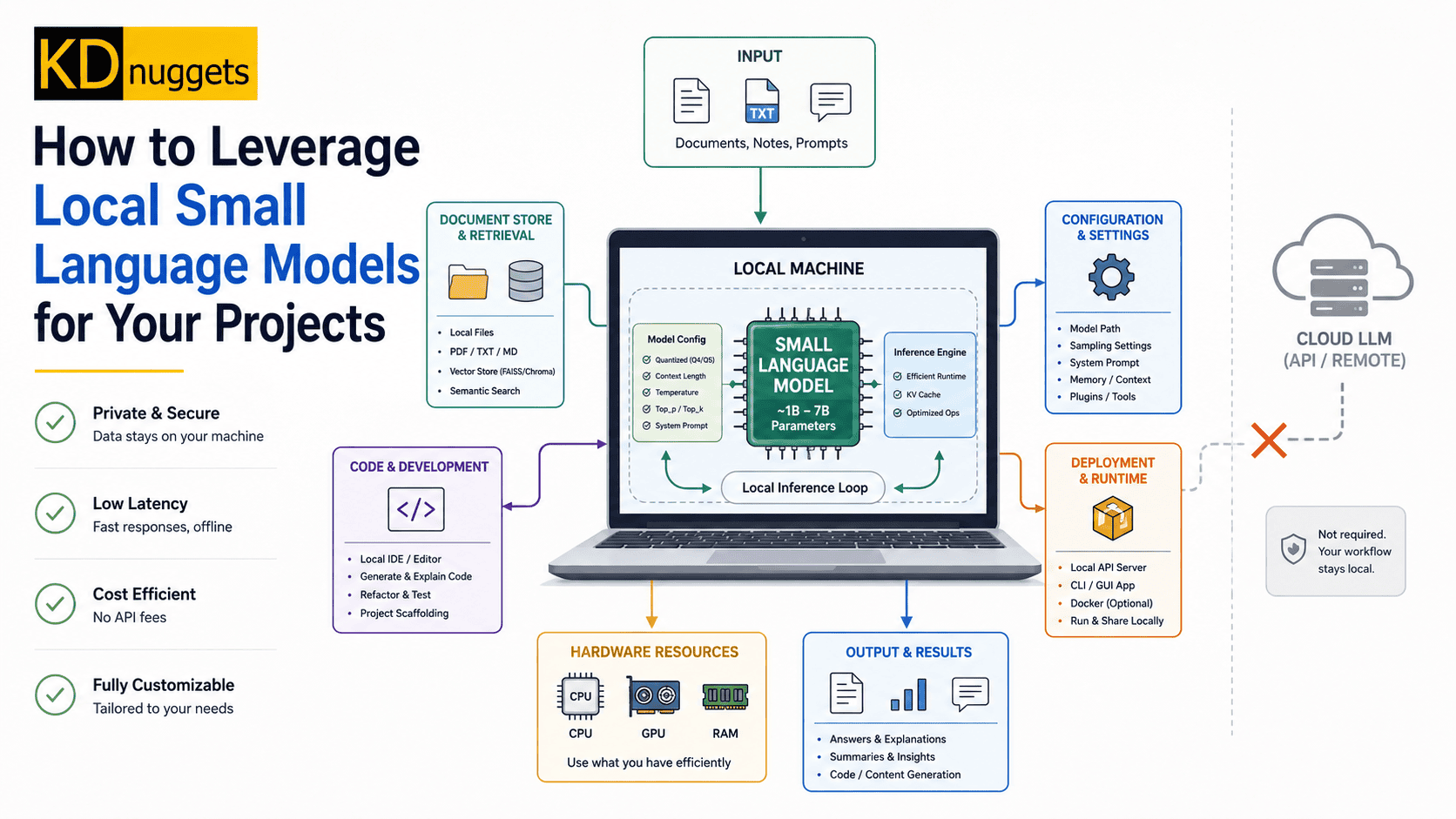
Unlock Faster AI by Running Small Language Models on Your Own Hardware
Local small language models let you run capable AI without sending your data anywhere. That is the practical appeal: privacy, lower cost, and direct control over your own hardware. This guide walks through the real steps to get them working, and we think the payoff is worth exploring. If you are curious about the broader challenges of distributed systems, our piece on unlocking LLM training offers a useful companion. For now, start compact, stay efficient, and see what you can build.

Rightsizing Developer Platforms to Reduce Cognitive Load and Accelerate Delivery
Platform engineering is rarely a one-size-fits-all equation. John Keates tackles the real friction behind modern developer platforms: the cognitive load that shift-left practices have quietly piled onto teams. He focuses on rightsizing, not just building more. It's a practical look at matching your platform to your culture, not the other way around. For those exploring how AI tools fit into everyday workflows, our guide to unlocking ChatGPT for work offers a useful starting point.
Secure Your AI Agents with Kernel-Level API Control
Your AI agents are generating code that no one owns, and that's a risk you can't ignore. Dan Finneran shows how eBPF can step in, intercepting API traffic at the kernel level to filter prompts, swap models, and enforce limits without touching your application code. It's a practical, transparent way to secure production systems. For more on questioning AI's output, our piece on verifying your AI's understanding offers a timely follow-up.

S3 Compatible Doesn't Mean Secure: What Neoclouds Miss
S3 compatibility has become the default promise for object storage, but as Wiz's research shows, that promise stops short of security. Examining six popular neoclouds, the team found meaningful gaps compared to Amazon's protections. It's a useful reminder that API familiarity isn't the same as hardened infrastructure. For teams evaluating options, the question isn't just whether it works, but what's actually enforced underneath. If you're weighing storage trade-offs, our piece on Cloudflare's EmDash migration offers a related look at how infrastructure choices carry hidden implications.

Alation investigates unauthorized access to its data systems
Alation, the data search and AI company, confirmed unauthorized access to its systems during an incident on Tuesday, and it's now investigating the breach. That's a pointed reminder that even companies built to manage data aren't immune to its risks. For users trusting these platforms with critical workflows, this is a moment to pause, not panic. We'll be watching how transparently Alation handles the fallout.