HubSpot Redesigns JITA Authorization with Rule Engine Architecture
Our take
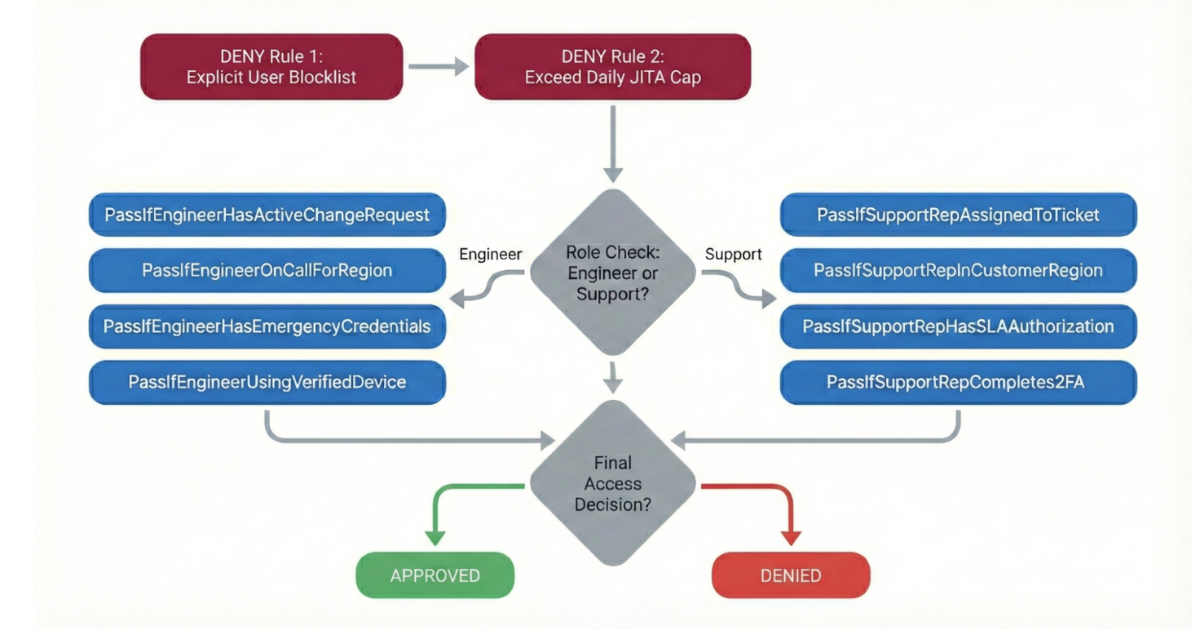
The shift toward more granular and adaptable access control is accelerating, and HubSpot’s recent redesign of its Just-In-Time Access (JITA) authorization system using a rule engine architecture is a significant development. It underscores a growing recognition that traditional, complex conditional authorization logic is becoming unsustainable in increasingly dynamic and distributed environments. We've seen similar movements across the security landscape, as evidenced by Okta’s acquisition of Permiso [Okta buys AI security startup Permiso; source says for about $200M], a clear signal of the market's focus on AI-powered identity threat detection and, crucially, the control of access for non-human identities like AI agents. The move away from monolithic access policies towards a more modular, rule-based approach allows for greater flexibility and responsiveness, especially critical as organizations grapple with the expanding attack surface created by generative AI and the proliferation of cloud resources. This isn't merely about streamlining; it's about building a foundation for secure innovation.
The elegance of HubSpot’s solution lies in its adoption of a directed acyclic graph (DAG) to organize rules. This structure inherently promotes clarity and manageability, allowing security teams to visualize and understand the decision-making process. The addition of structured decision metadata and rule-level observability is equally vital. It moves beyond simply *whether* access was granted, to *why*, providing invaluable context for auditing, troubleshooting, and continuous improvement of security posture. Consider the broader conversation around disaggregated systems [Presentation: Parting the Clouds: The Rise of Disaggregated Systems]; as data and applications become increasingly decoupled, traditional access controls struggle to maintain efficacy. A rule engine, capable of adapting to these dynamic relationships, offers a more resilient and future-focused approach. The Hugging Face AI break-in [The Hugging Face AI break-in, as told through an increasingly committed bear metaphor] serves as a stark reminder of the potential consequences of inadequate access controls, particularly when dealing with sensitive AI models and data.
The implications of this architectural shift extend beyond HubSpot itself. It’s a validation of the rule engine approach as a viable alternative to the cumbersome, often brittle, conditional authorization systems that have become commonplace. By replacing these complex logic chains with a more structured and observable system, organizations can significantly reduce the risk of unauthorized access and improve their ability to respond to security incidents. The governance workflows integrated into HubSpot’s redesign are also noteworthy. They provide a framework for managing and auditing access rules, ensuring compliance with internal policies and regulatory requirements. This level of control is essential for organizations operating in highly regulated industries. This is a clear signal that security isn’t just about prevention; it's about ongoing management and adaptation.
Ultimately, HubSpot’s redesign highlights a fundamental evolution in how organizations approach access control. It’s a move away from static, overly complex policies toward dynamic, adaptable, and transparent systems. The shift to rule engines isn't just a technological upgrade; it's a strategic imperative for organizations seeking to secure their data and applications in an increasingly complex and rapidly evolving threat landscape. The question now is: how quickly will other organizations, particularly those heavily reliant on intricate conditional authorization logic, embrace this more agile and resilient approach to access management?
HubSpot has redesigned its Just-In-Time Access (JITA) authorization system using a rule engine architecture. The system evaluates access requests through independent rules organized as a directed acyclic graph, adding structured decision metadata, rule-level observability, and governance workflows to replace complex conditional authorization logic.
By Leela KumiliRead on the original site
Open the publisher's page for the full experience