signals
Beyond Market Intelligence keeps signals in one place: 6 stories so far. The section currently leads with “A ten-ounce device lets Ukraine intercept Russian drone feeds”, “Symbolic AI resurfaces as researchers solve its core challenges”, and “Four Signals to Know When Your Data Engine Has Outgrown Spreadsheets”. A Ukrainian startup has packed a drone interceptor into a ten-ounce device that fits in a pocket. Symbolic AI is resurfacing, and for good reason. Acme AI is the next-generation, AI-powered spreadsheet platform built to replace Excel and redefine how analysts, data scientists, and enterprise teams work… The list below is every signals story on Beyond Market Intelligence, newest first.

A ten-ounce device lets Ukraine intercept Russian drone feeds
A Ukrainian startup has packed a drone interceptor into a ten-ounce device that fits in a pocket. The receiver lets troops watch exactly what Russian drones see, turning their surveillance against them. It is clever, practical, and already in the field. But Moscow's move toward digital video and AI-guided drones that emit no signals threatens to close that window. For more on the broader connectivity landscape, see our coverage of Starlink's reported throttle order in Ukraine.
Symbolic AI resurfaces as researchers solve its core challenges
Symbolic AI is resurfacing, and for good reason. New research shows that combining random reservoir nets with straightforward math can isolate the component parts of complex systems, solving the self-instantiation and feedback loop problems that once stalled the field. It's intriguing to see this 1970s approach reemerge after years of neural network dominance. For deeper context on how such ideas are being evaluated, *Navigating arXiv and Double-Blind Review at ICLR* explores the review process that shapes this kind of research.

Four Signals to Know When Your Data Engine Has Outgrown Spreadsheets
When a data engine starts producing facts you can't fully trace back to their source, you've hit a signal worth heeding. Peihao Yuan walks through a disaster-recovery analytics workflow where an AI agent generates constrained SQL or Python, DuckDB computes reproducible facts from Parquet, and the agent interprets the results. The determinism split makes every analysis replayable. Four signals help you decide whether an embedded engine still suffices or a managed lakehouse is justified.
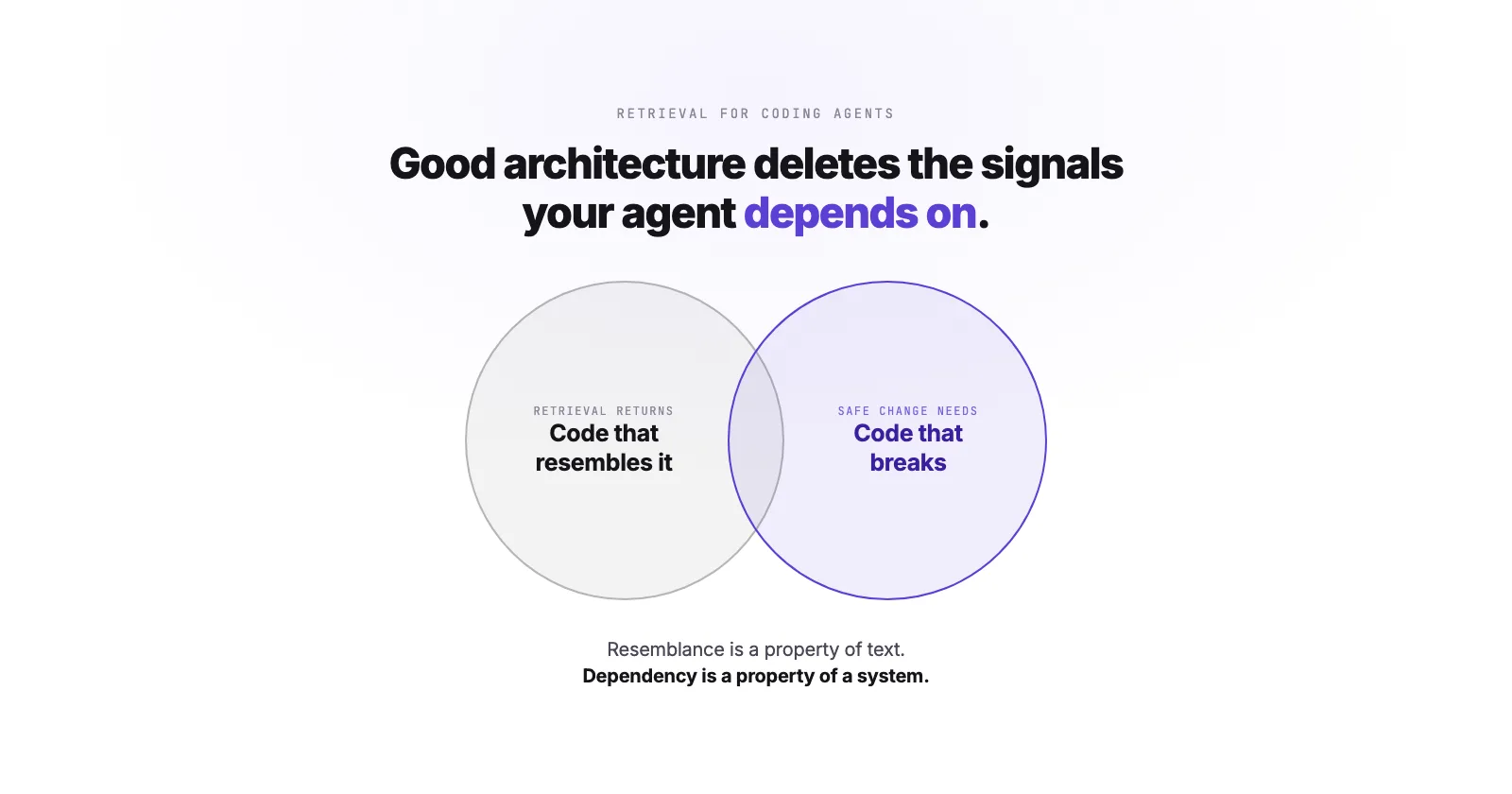
Clean Architecture Removes the Signals Your Agent Needs
Every boundary you draw in clean architecture removes a signal your agent was relying on. That is a structure problem, not a search problem. It's a sharp reminder that organization shapes intelligence, and over-layering can quietly starve the tools meant to help. We appreciate the argument for simplicity here. If you're exploring how systems behave under constraints, our piece on the Forrester function offers a complementary look at mathematical structure in machine learning.
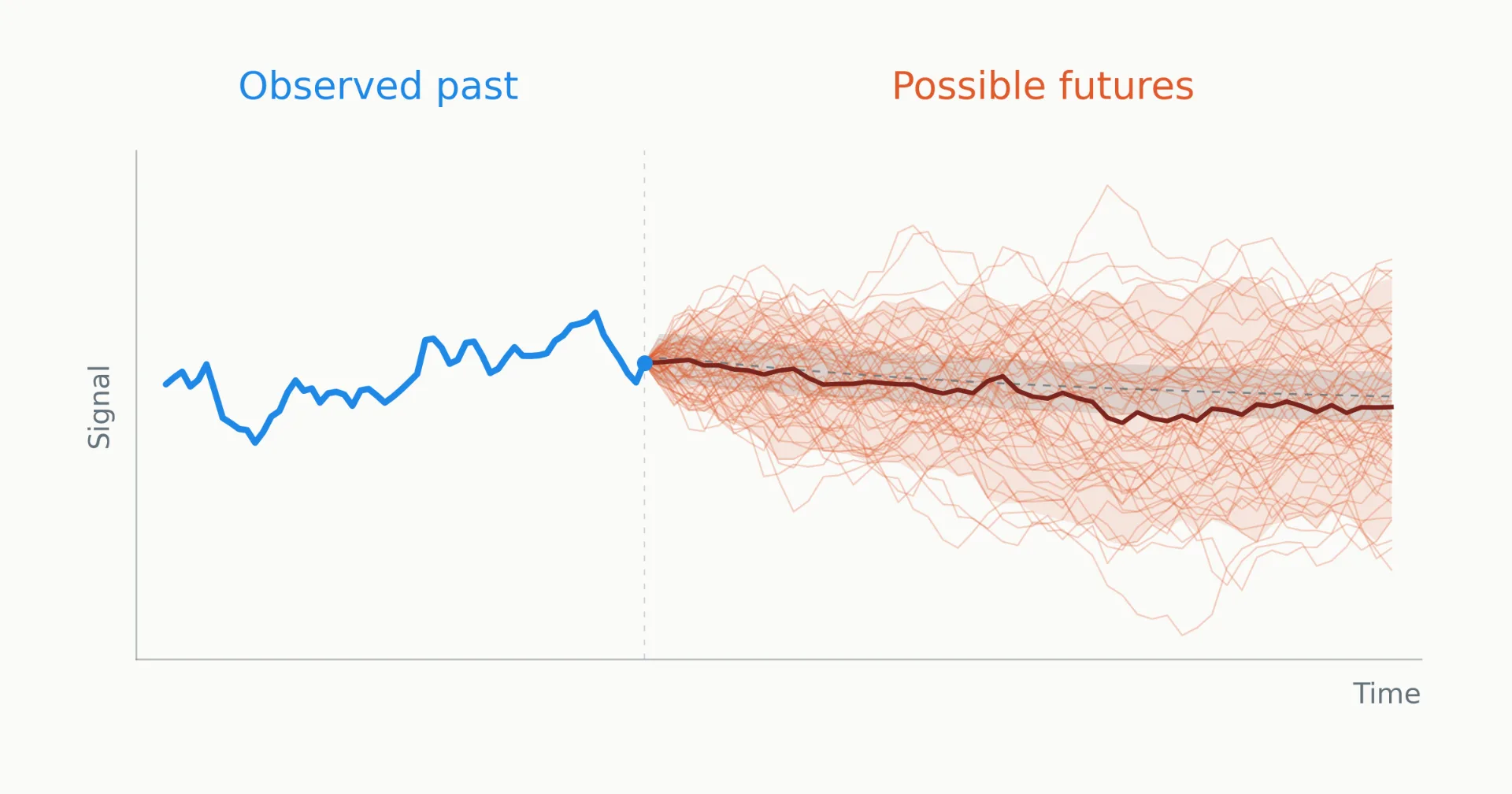
Beyond MSE: Refining Forecasts with Autoregressive Rollout and Uncertainty
Mean squared error tells you how wrong your model is on average. It does not tell you how confident you should be in that number. This second installment in our probabilistic forecasting series tackles exactly that gap through autoregressive rollout and uncertainty propagation. Instead of settling for a single point estimate, the approach refines forecasts by carrying uncertainty forward. It is a practical next step for anyone working with physical signals.

Empower developers to tailor Android experiences with privacy-first age signals
Age assurance is quietly becoming one of the most important tools for building trust online. Google is expanding its Play Age Signals API, giving Android developers a privacy-preserving way to tailor experiences based on age ranges. That is a meaningful step toward more responsible apps without forcing users to surrender sensitive details. It is practical, thoughtful, and squarely aimed at the future of data care.