skills
Beyond Market Intelligence keeps skills in one place: 32 stories so far. The section currently leads with “Meta enters the AI coding arena with agent tools and smarter models.”, “5 Claude Skills That Actually Help You Write Better”, and “Find Your Next AI Project and Contribute with Purpose”. Meta is entering the AI coding race with intent. Most writing-focused AI skill lists pad themselves with commit messages and status reports. Acme AI is the next-generation, AI-powered spreadsheet platform built to replace Excel and redefine how analysts, data scientists, and enterprise teams work… The list below is every skills story on Beyond Market Intelligence, newest first.

Meta enters the AI coding arena with agent tools and smarter models.
Meta is entering the AI coding race with intent. Today's beta release of Muse Code, a terminal-based agent built for large repositories, pairs with Muse Spark 1.2, a model co-trained alongside its own harness. The pitch is practical: persistent background agents, parallel worktrees, and a replay-exact audit log. Pricing undercuts rivals significantly, though the contributor tier trades tokens for training data. It's a calculated move from a company that once championed open weights. For now, the frontier just got more crowded.
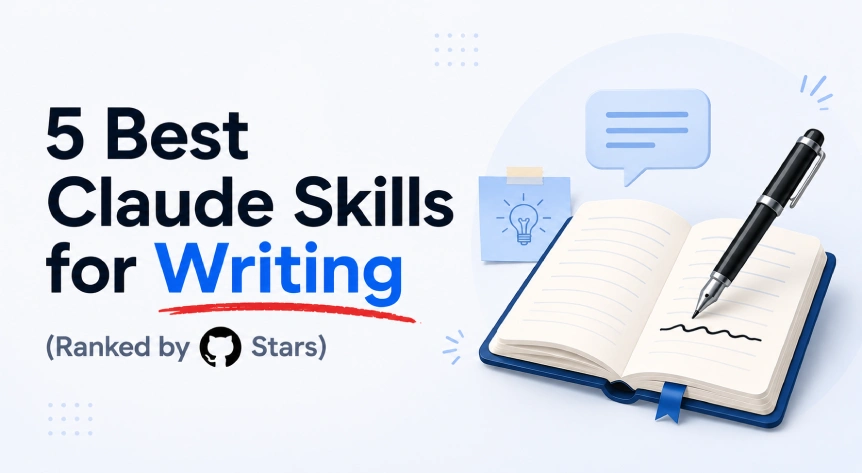
5 Claude Skills That Actually Help You Write Better
Most writing-focused AI skill lists pad themselves with commit messages and status reports. This one does not. It ranks repositories by GitHub stars, but only those built specifically for writing or editing. That distinction matters. It filters for genuine utility, not accidental relevance. If you are exploring how AI can sharpen your prose, this is a practical, no-nonsense starting point. And if you want to question the tech further, our piece on talking to an AI clone offers a useful counterpoint.
Find Your Next AI Project and Contribute with Purpose
Finding your footing in deep learning takes more than coursework; it takes real-world reps. This user gets that. Their offer to join an active project shows a practical understanding that skills grow fastest when they're tested collaboratively. It's a smart, humble approach. For anyone building AI/ML systems, a contributor who is both eager and self-aware is a rare asset. We hope they find the right team. For more on tackling complex data challenges, exploring the Forrester function might be a useful next step.

Three Criteria for Choosing Skills Over Sub-Agents in AI Design
Choosing the right building block for AI systems often comes down to fit, not flash. In a recent Azure Architecture blog post, lead engineer Kishorekumar Pattabiraman lays out practical criteria for deciding between skills and sub-agents, with reusability and long-term maintainability leading the way. It's a grounded take that cuts through the noise, favoring simplicity over cleverness. For those weighing similar trade-offs, this is the kind of clarity that helps teams move forward.
Bridging the Gap Between Data Science Skills and Real-World Impact
Hiring managers keep saying the same thing: recent data science graduates can build models, but they struggle to ship them. That gap is telling. It suggests the real missing piece isn't another algorithm, but the engineering discipline to turn an experiment into a reliable product. For career changers, this is actually encouraging. You don't need to out-code a software engineer; you need enough structure to make your work reproducible and testable. Focus on version control, testing, and clear communication.
Why I Stopped Installing Skills and Found a Smarter Workflow
There's a quieter path past the constant churn of installing Claude Skills. I stopped adding them to my workflow, and the shift has been liberating. Instead of stacking tools, I'm focusing on direct conversations with the model, letting it adapt to my specific needs in the moment. It feels less like managing a toolbox and more like collaborating. If you're curious about the limits of this kind of interaction, our piece on talking to an AI clone offers a useful counterpoint.

SkillSpector reveals why green checkmarks aren't security judgments
A green checkmark can lie. SkillSpector's take on agent skills proves that point, showing how static analysis nails a malicious skill while tripping over a useful one. That gap between automated results and actual judgment is where the real work happens. It's a practical reminder that security isn't a binary pass or fail. For anyone wrestling with similar trust issues, our piece on talking to an AI clone offers a fitting companion on questioning what the machine tells you.
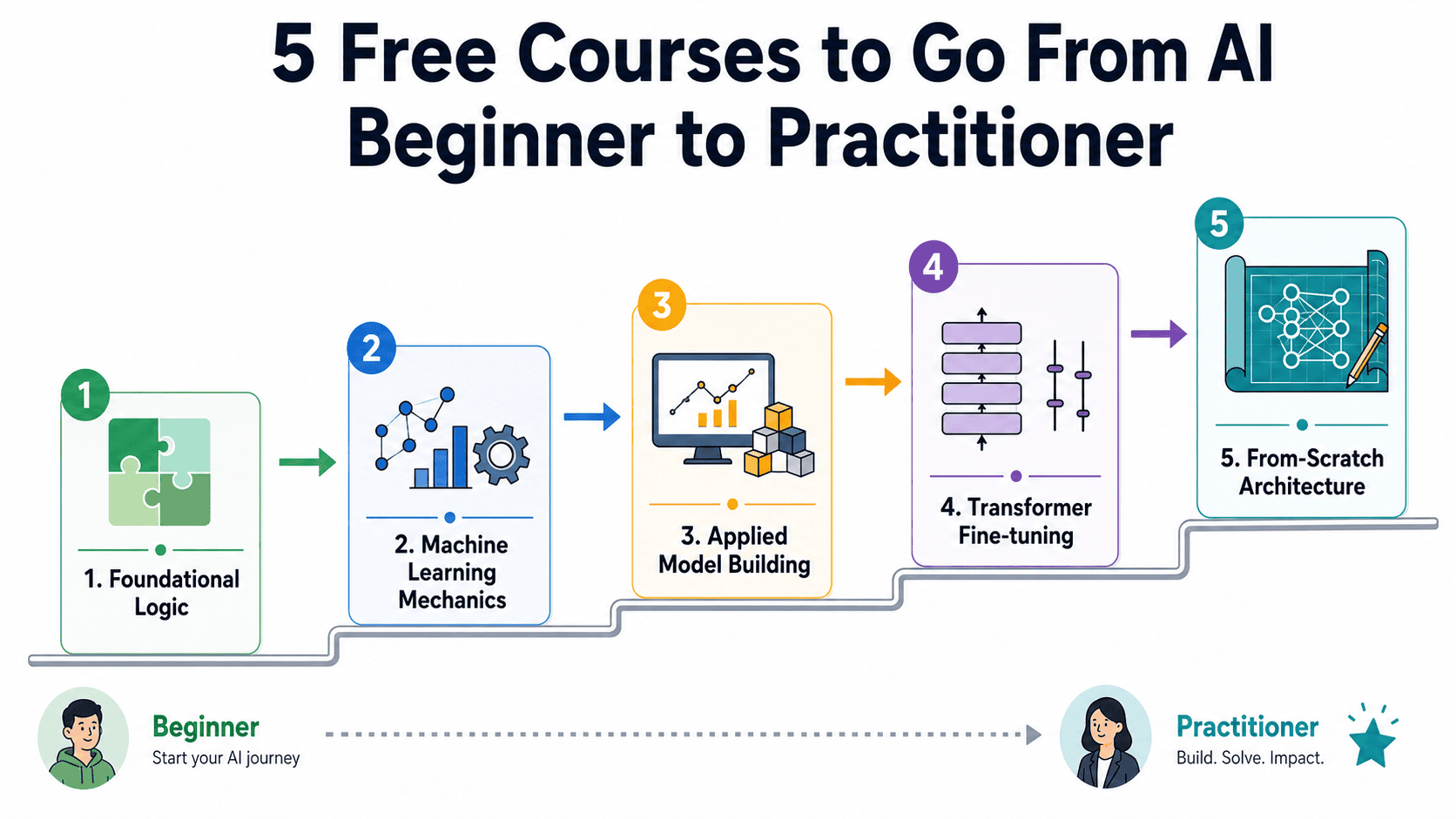
From AI fundamentals to LLMs: a free five-course roadmap
A five-course roadmap won't just hand you theory; it walks you from classical algorithms to training LLMs from scratch. That's the kind of practical progression that turns curiosity into real capability. If you've been hesitant about where to start, this is your entry point. And once you grasp the mechanics, you might find our piece on questioning AI clones a useful counterweight to the technical rush. Explore the courses, build the skills, and let the work speak for itself.