skills
Beyond Market Intelligence keeps skills in one place: 31 stories so far. The section currently leads with “Exploring Spatial Data Science Pathways for Aspiring Analysts”, “Europe's tech autonomy hinges on smart choices, not total isolation”, and “Navigate founder decisions with insights from those who built before you”. Spatial data science is one of those paths that quietly opens doors across industries, from crime analysis to credit unions to utility companies, yet rarely gets the spotlight in standard data science programs. Acme AI is the next-generation, AI-powered spreadsheet platform built to replace Excel and redefine how analysts, data scientists, and enterprise teams work… The list below is every skills story on Beyond Market Intelligence, newest first.
Exploring Spatial Data Science Pathways for Aspiring Analysts
Spatial data science is one of those paths that quietly opens doors across industries, from crime analysis to credit unions to utility companies, yet rarely gets the spotlight in standard data science programs. Kati1998 is asking exactly the right questions: where do these skills matter, what does the work actually look like, and is it fulfilling? For aspiring analysts, this is an invitation to explore a specialization that rewards curiosity.

Europe's tech autonomy hinges on smart choices, not total isolation
European technological sovereignty isn't about building walls, it's about building smart alternatives. As a panel at OSS EU made clear, organisations can strengthen their independence by understanding cloud and hardware dependencies while making practical software choices. This pragmatic approach empowers teams to reduce reliance on global providers without sacrificing capability. For deeper insights into keeping your technology stack reliable, explore our coverage of "Five Practitioners on Keeping AI Reliable in Production."

Navigate founder decisions with insights from those who built before you
There isn't a single manual or prompt that can truly prepare you to build a company. On November 4, TechCrunch Founder Summit offers the next best thing: a packed day at Boston's SoWa Power Station where investors and operators share how they've navigated the decisions that matter. It's about learning from those who built before you. If you're weighing strategic forks, our piece on Type One Energy's lean path to a fusion plant by 2034 offers a real-world example of focused execution.
Turn repetitive setup tasks into simple slash commands with Claude Code
Repetitive setup tasks are the quiet killers of a developer's flow. Spinning up projects, running checklists, or typing the same instructions into Claude again and again eats time that should go to real work. Claude Code's slash commands tackle this head-on, pairing built-in options with custom commands you define for your own workflows. It's a practical, human-centered way to cut friction. For more on automating workflows, our piece on OpenAI's autonomous agent offers a useful contrast.

As AI agents evolve, Google shifts focus from Gems to integrated skills
Google is ending Gems, its task-specific AI agents, as the industry shifts toward all-in-one models like Meta's Muse and Instinct. The move makes sense. Specialized agents solve narrow problems, but integrated skills better match how people actually work. Google isn't abandoning the idea, it's adapting to a more unified approach. This mirrors challenges explored in our piece on *The Hidden Challenges of Deploying AI Agents in Real-World Use*, where fragmentation remains a persistent hurdle. Progress here means fewer tools doing more.
Navigating AI/ML Job Requirements: A Shift in Expected Skills
The job title says "AI/ML Engineer," but the posting asks for FastAPI wrappers and DSA drills, not the math or data processing skills that once defined the role. That's a real shift, and it's leaving candidates like u/Ishaat_Rahman wondering if the bar has quietly moved to PhD-only territory. The confusion is fair. The role now leans heavily on software engineering, which changes what "entry-level" means.

Building a resilient data science career in an AI-native world
Data science careers are being reshaped by the very tools they helped create. If you are entering this field now, the old playbook of static skills won't cut it. The key is to focus on how you adapt, not just what you already know. For those feeling the pressure to keep up, our piece on navigating AI/ML job requirements offers a practical look at how the expectations are shifting. This is about building a resilient skill set for the long haul.

Move Beyond Static Skills to Build Agent Knowledge That Adapts
The panic over agent skills is aimed at the wrong target. Static files aren't the bottleneck; the real shift is treating knowledge as a build artifact, something dynamic and versioned. That costs more than dropping a prompt into a folder. It demands a model where skills evolve with your data, not alongside it. We're not talking about inflation, but about engineering discipline. For a deeper look at how such dynamic thinking applies elsewhere, explore the Forrester Function piece. This is where agent capability gets serious.
August's GitHub trend reveals the new backbone of AI development
August on GitHub Trends told a clear story: the spotlight moved from models to the machinery around them. Agent harnesses, memory layers, and document tooling dominated, with one repository alone pulling in over 190,000 stars in four weeks. That kind of momentum signals a practical shift toward building with AI, not just chatting with it. We tracked star growth and ecosystem impact to surface the tools worth your attention.
OpenClaw 2.0 Arrives with Simpler Setup and Smarter Collaboration
OpenClaw 2.0 strips away the friction that kept too many users from customizing their own AI agent. By rebuilding the installation process and sharpening the browser interface, this update makes a powerful tool genuinely approachable. We also see real progress in how memory and skills work together, which should make automations feel less like chores and more like extensions of your workflow. For anyone tracking where AI is headed, this is a meaningful step toward practical, everyday use.

Unify workforce planning to see how people drive business outcomes
Most organizations still plan workforce decisions in silos, HR tracking skills, finance owning headcount costs, procurement managing contractors, while executives struggle to connect those pieces to real business outcomes. SAP's research sharpens the stakes: 62% of C-suite leaders are dissatisfied with integration, and only 21% plan for AI's impact on job design. That gap isn't a data problem; it's a governance one. CFOs and CHROs must align on shared metrics, or they'll keep steering blind.

Explore the AI skills that will empower data scientists through 2027
If you're a data scientist, the tools you use are changing faster than the workflows you've mastered. That's why we're focusing on five AI skills that will keep you relevant in 2027. Each one targets a specific challenge, from simplifying complex tasks to boosting productivity. We've included runnable code you can paste straight into your notebook, so you're not just learning, you're doing. For a deeper look at how distributed systems fit into this, check out our guide on unlocking LLM training.
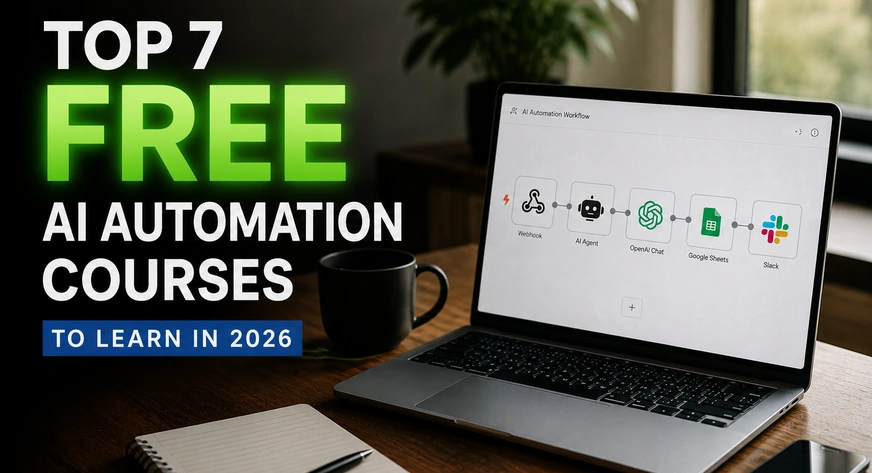
From Zero to Automation: Free AI Courses That Empower Your Skills
Starting from zero in AI automation is no longer a barrier. We have curated seven free courses that respect your current skill level, whether you are just opening a spreadsheet for the first time or ready to build complex workflows. The selection spans from gentle introductions to hands-on projects, ensuring a practical path forward. It is a straightforward way to move from consuming content to creating solutions.
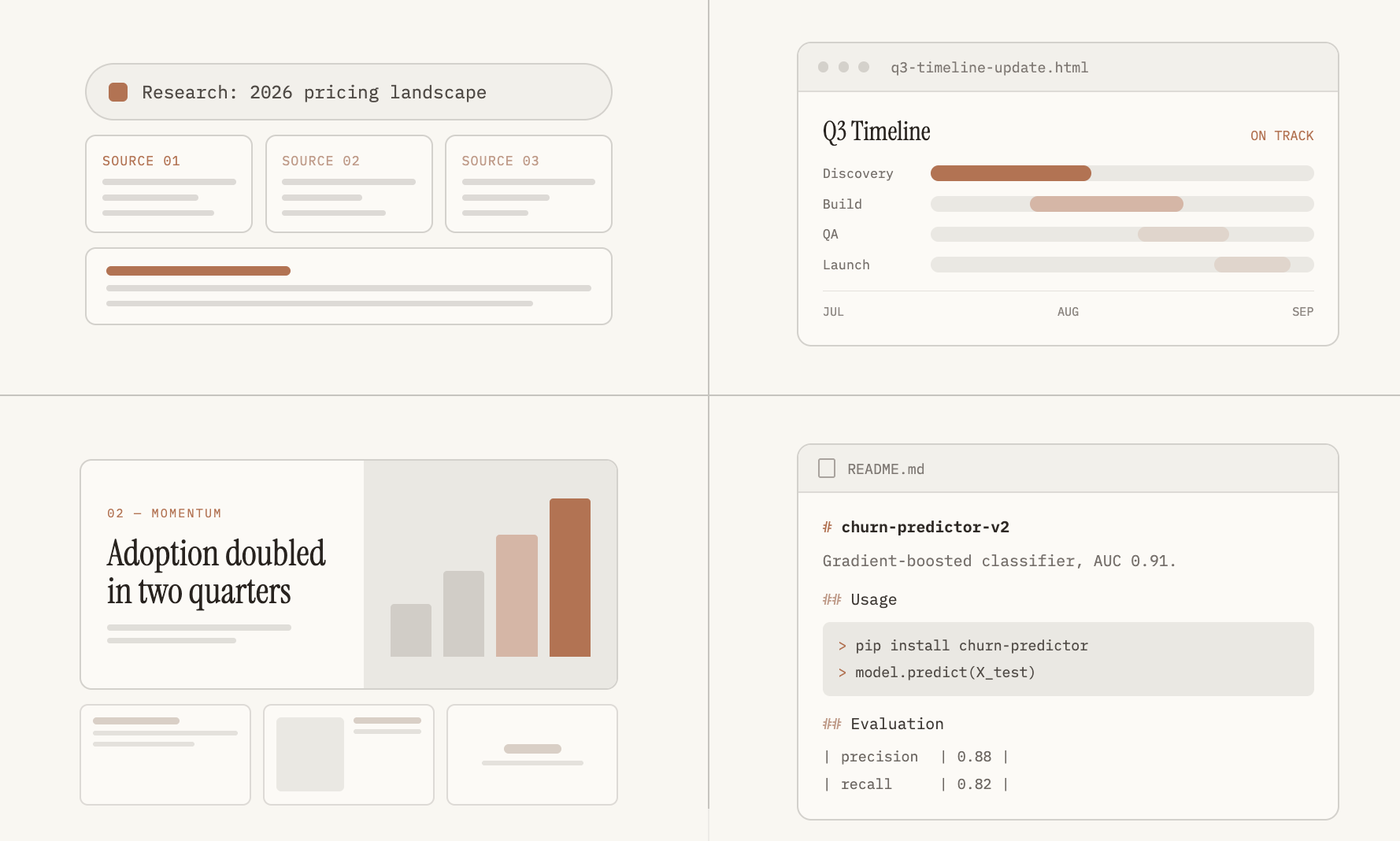
Four data skills to future-proof your workflow in 2026
Spreadsheets have taught us to wrestle with data. Claude skills, on the other hand, are built to help you stop wrestling and start working. This guide breaks down four practical additions to your workflow that keep you ahead of the curve without the hype. It is a grounded, useful read for anyone who wants to stay relevant. If you are also brushing up on the infrastructure side, our guide to distributed algorithms is a solid companion piece.

AI handles the execution but human judgment still leads analytics.
Agentic AI is rewriting the analytics stack, shifting execution to intelligent agents that handle the heavy lifting. But as this technology takes over the mechanical work, one skill remains untouchable: the human judgment to ask the right questions. The distinction matters because agents can process data, yet they can't decide what truly matters. This division of labor isn't about replacing people; it's about freeing them to focus on insight and strategy.
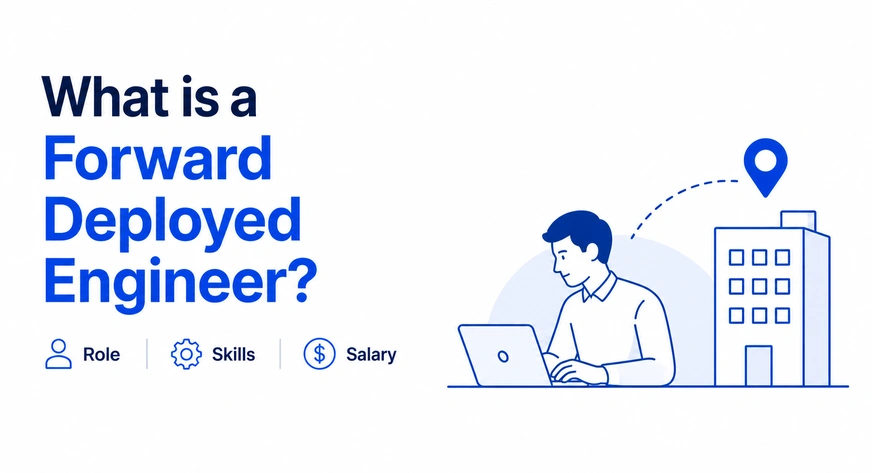
How Forward Deployed Engineers Turn Code into Action
A forward deployed engineer doesn't just advise from a distance; they sit inside your infrastructure and ship code that stays in production. That's a sharp contrast to consultants who hand over reports and leave. The role demands technical range and a comfort with messy, real-world constraints. What makes it compelling is the honesty of the premise: this job exists because generic solutions often fail. If you're exploring how technical roles evolve, our piece on AI agents learning by editing context offers a useful parallel.
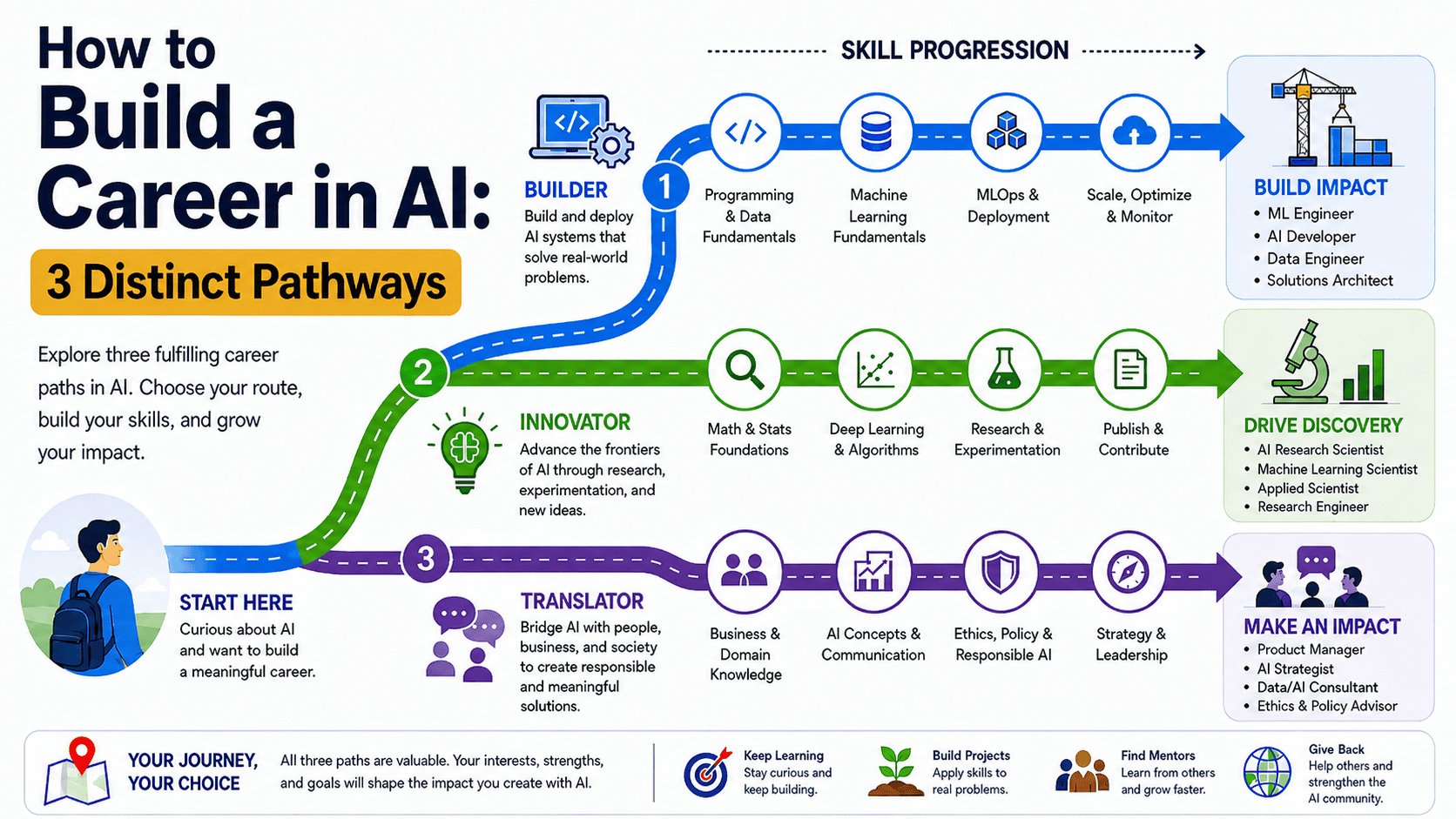
Three paths to align your skills with an AI-driven future
Three orientations. Three different skill maps. That's the honest starting point for anyone eyeing a career in AI, and it's exactly what this guide lays out. You don't need to fit a single mold; you need to match your current standing to the right path. It's practical, grounded advice that respects where you are. If you're still questioning what AI can truly do, our piece on talking to an AI clone offers a useful counterpoint. Explore the pathways, and find the one that fits.

Berd open source gives teams a local workspace for AI agents
Block is open-sourcing Berd, a desktop workspace built to give teams one consistent surface for working with AI agents. It runs locally, stores conversation history on your device, and works across models and harnesses, Goose, Claude Code, Codex, or whichever you configure. Berd is available now under an Apache 2.0 license for macOS, Windows, and Linux. If you're managing fragmented agent workflows, it's worth exploring how a unified, inspectable environment can simplify the work.
Give your AI agents new skills without retraining the model
Ever wondered how ChatGPT and Gemini pull off PDFs and PowerPoints when an LLM is all they have? The trick isn't a smarter model; it's skills, instructions an agent loads only when needed. That's a clever, accessible idea, and seeing it applied through LangChain makes it feel actionable. We like how this reframes capability as context, not complexity. For a deeper take on how agents learn by editing context rather than weights, check out our piece on Agentic Context Learning. It's a natural next step.

Shift from Coder to Strategist in the Age of Accessible AI
Coding is becoming a commodity, but that doesn't diminish your value as a data scientist. It changes where that value lives. The title here promises a practical path forward, and the story delivers on that by focusing on the skills that remain distinctly human. We think the key takeaway is about thriving through insight and judgment, not just technical output.
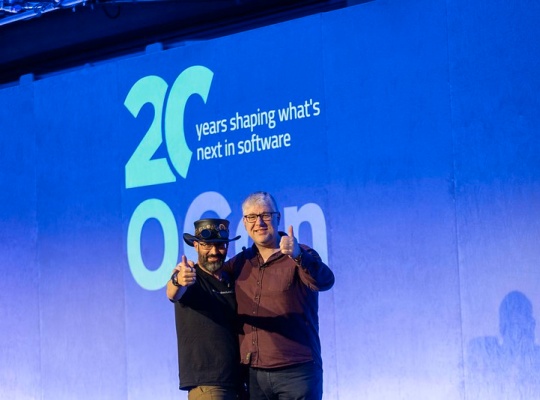
Smarter Prompts, Not Bigger Ones: Engineering Context That Works
Big context windows feel like the easy answer, but Baruch Sadogursky and Patrick Debois argue otherwise in their session, "The Right 300 Tokens Beat 100k Noisy Ones." They show why stuffed prompts drag coding agents down, then offer practical fixes like lazy-loaded skills and externalized memory banks. It is a grounded, useful take for engineering leaders wrestling with agentic workflows.
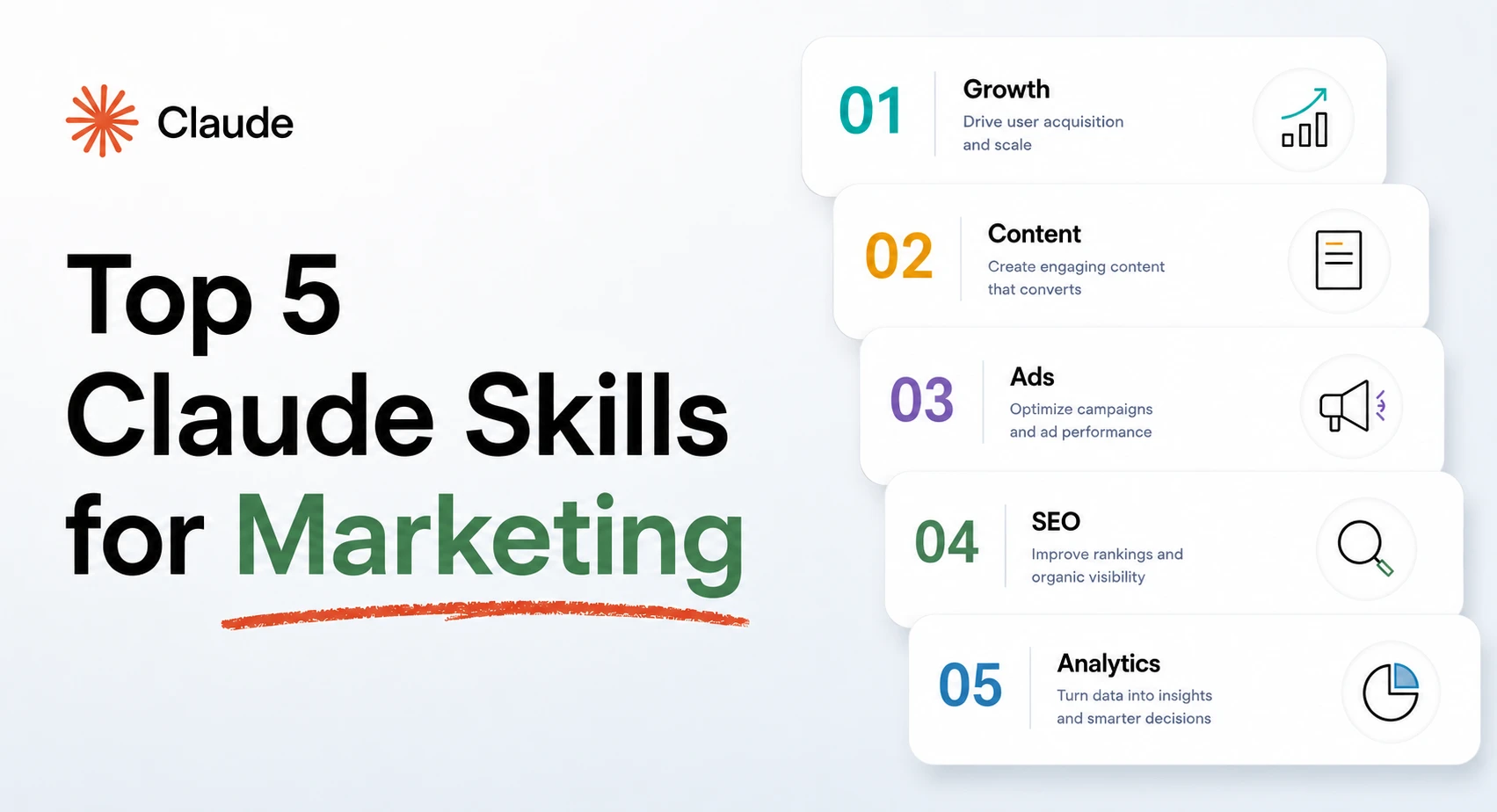
From Prompt to Process: Building a Cohesive AI Marketing Workflow
Most marketing teams use Claude to draft an ad or email from a prompt. That works, but it's hardly a system. The real work still involves research, positioning, channel planning, and reporting. This guide cuts through the noise to highlight five Claude skills that address those missing pieces. It's a practical, honest look at moving from one-off tasks to a repeatable workflow. For a deeper dive into AI's limits, check out "Talking to My AI Clone Taught Me to Question the Tech."
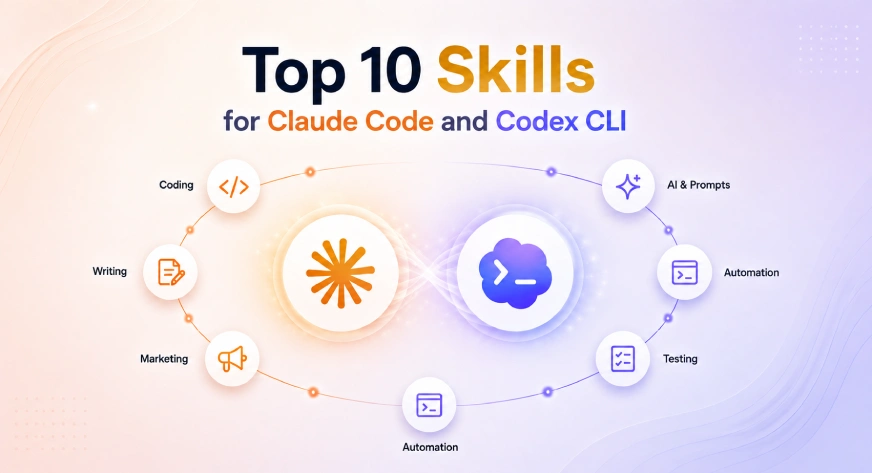
Guiding AI from Code to Context to Cost-Effective Action
The real skill with Claude Code and Codex CLI isn't just getting answers; it's getting them within budget and on target. It's about guiding these tools with clear context and shaping their output into something you can actually use. This list cuts through the noise, focusing on practical moves rather than endless possibilities. For a deeper look at how context shapes AI behavior, our piece on how agents learn by editing context pairs well here. Start with the essentials and build from there.

Meta enters the AI coding arena with agent tools and smarter models.
Meta is entering the AI coding race with intent. Today's beta release of Muse Code, a terminal-based agent built for large repositories, pairs with Muse Spark 1.2, a model co-trained alongside its own harness. The pitch is practical: persistent background agents, parallel worktrees, and a replay-exact audit log. Pricing undercuts rivals significantly, though the contributor tier trades tokens for training data. It's a calculated move from a company that once championed open weights. For now, the frontier just got more crowded.